The key facts
- GetYourGuide: +65% year-on-year bookings for birdwatching tours from 1 January to 27 August 2026
- Voyageurs du Monde: bookings from July to October 2026 are 57% higher than in the first six months of the year
- In AllClear Travel's global top 20 there are only two European places: the Falsterbo Peninsula (19th) and Titchwell Marsh in England (20th)
From a niche hobby to a mass trend
Birdwatching, previously considered a niche pastime for nature lovers, is turning into a popular reason for travel. In its list of 'hidden trends' for 2026, published in November last year, the platform GetYourGuide stated that birdwatching is 'having its star moment', and videos with the hashtag #BirdTok are going viral on social media. Last month the company reported a 65% year-on-year growth in global bookings for such tours between 1 January and 27 August 2026.
Companies predict a 'year of birdwatching'
GetYourGuide's global trends expert Anne Wallin noted that birdwatching 'has long outgrown its status as a hidden trend' and is gaining popularity every month: travellers are looking for ways to be closer to nature and switch off from everyday hustle. A report by the tour operator Voyageurs du Monde says the world is 'entering the era of birdwatching', and 2027 'promises to be the year of birdwatching'. According to the company, bookings for tours from July to October 2026 were 57% higher than in the first six months of the year. Voyageurs du Monde brand director Tom Barber told Euronews Travel that the company asks customers not where they want to go but what they are passionate about — and increasingly sees interest in 'bird' holidays. In his words, in a world where life passes at speed and through a screen, there is a special charm in going out with binoculars and seeing which birds can be spotted.
Where to go: expert recommendations
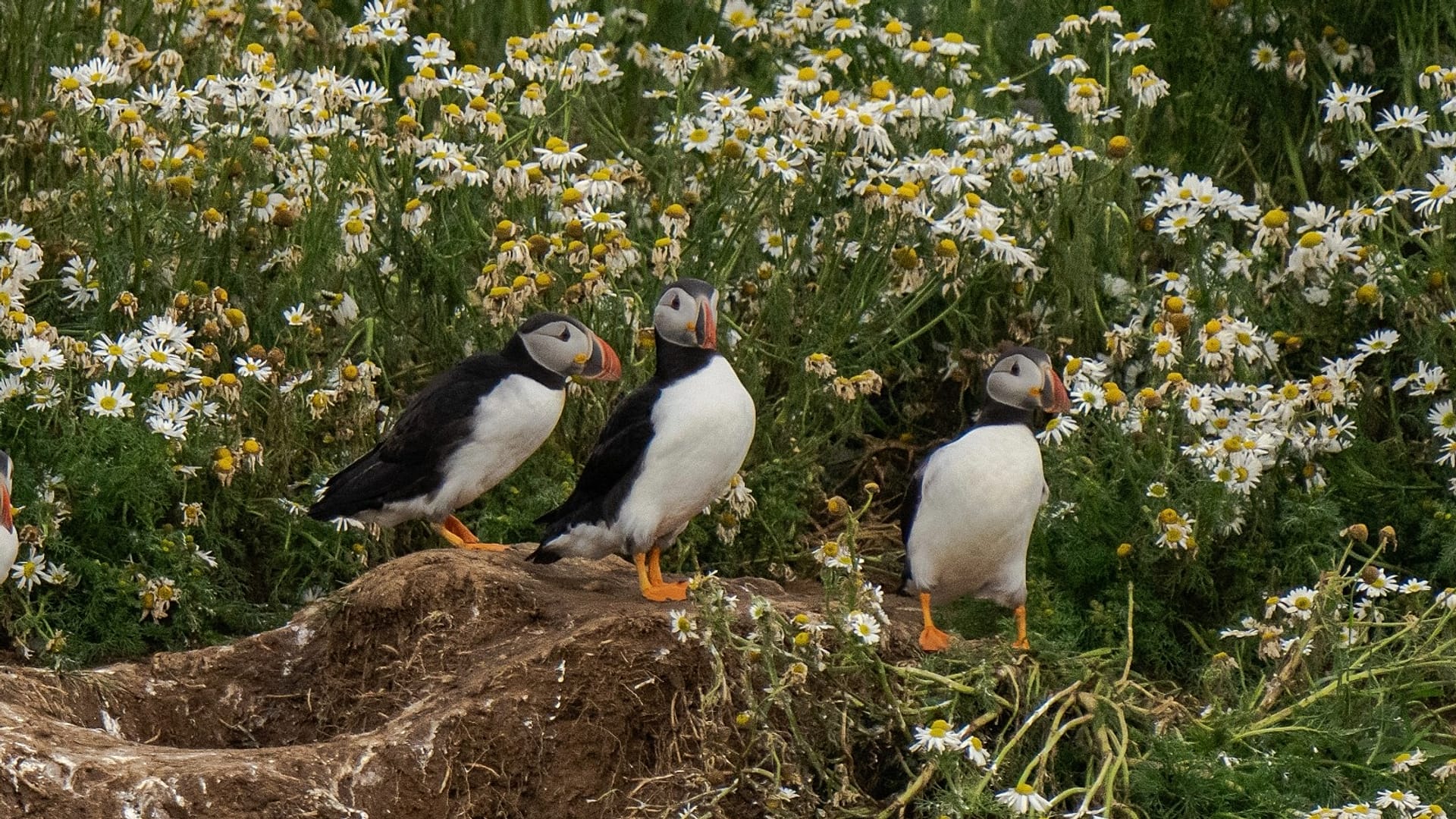
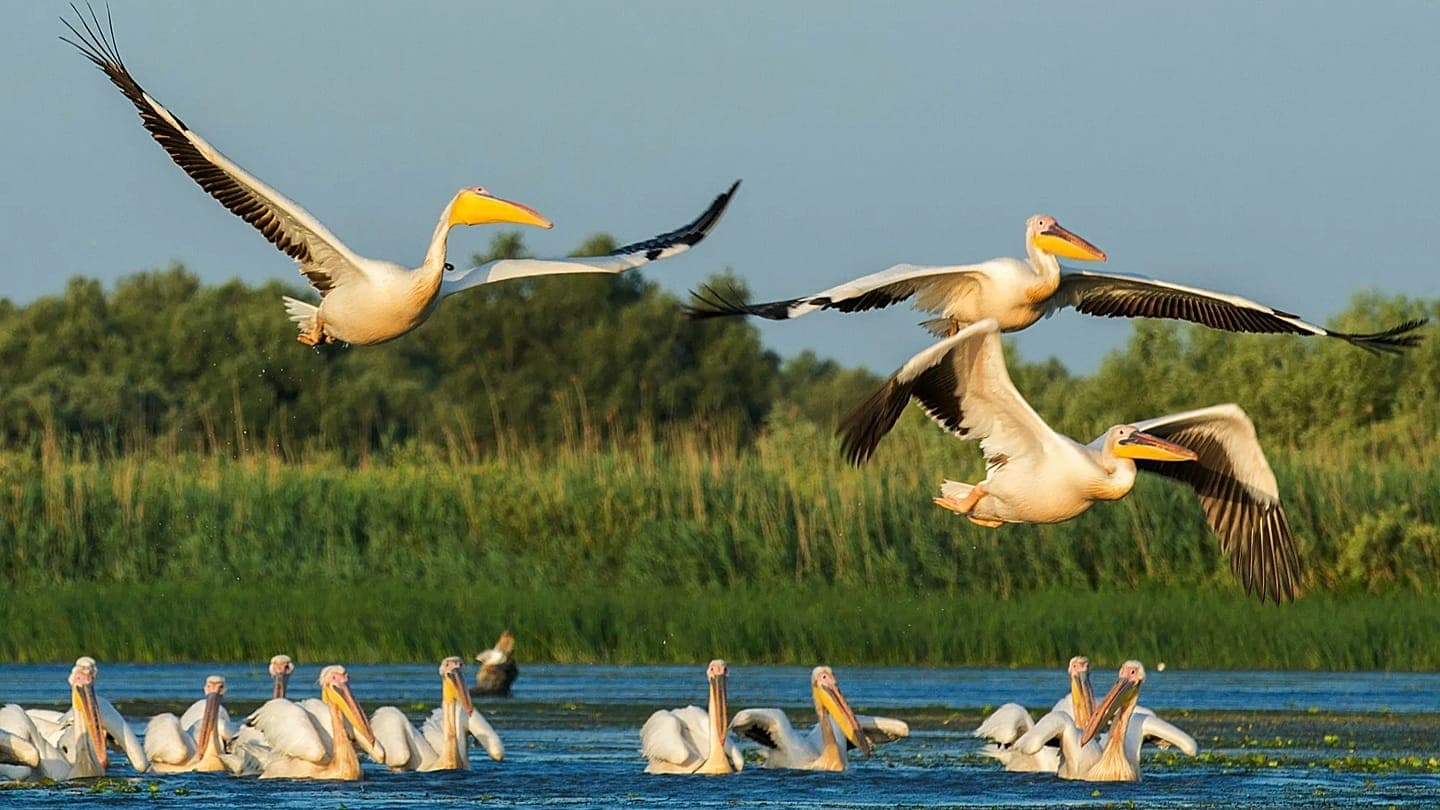
Barber names the Danube Delta in eastern Romania — one of the world's most important wetland ecosystems with more than 300 bird species — and north-eastern Greece, which lies on a key migration route, as the best European destinations; he advises visiting in the shoulder seasons. Ornithologist Cindy Brzostowski, in The Explorer section on the GetYourGuide website, notes that Portugal, thanks to its Atlantic coast and position on the East Atlantic Flyway, is one of the best places for watching seabirds, and the Azores and Madeira are 'paradise corners' for observers. For puffins she recommends Iceland: on the Westman Islands off the southern coast are the world's largest colonies of these birds.
AllClear Travel rankings
In AllClear Travel's ranking of the world's 20 best places, which took into account the number of recorded species, weather, proximity to an airport and average daily trip cost, there are only two European destinations: the Falsterbo Peninsula in south-west Sweden (19th in the world, first in Europe) and Titchwell Marsh on the north coast of the English county of Norfolk (20th). The global top 20 is led by Manu National Park (Peru), the Tambopata Reserve (Peru) and Tsavo East National Park (Kenya), followed by the Pantanal in Brazil, the Milpe reserve in Ecuador and Carara National Park in Costa Rica (tied for 5th place), Corcovado, Keoladeo in India, Costanera Sur in Argentina and Kruger National Park in South Africa. In the European top 15, after Falsterbo and Titchwell Marsh, come Fair Isle (Scotland), the Kalloni salt pans on Lesbos, Minsmere (England), Lake Kerkini National Park (Greece), Rutland Water, Slimbridge and Bowling Green Marsh (England), Ria Formosa Park (Portugal), the Camargue (France), the Ebro Delta and Monfragüe (Spain), Hortobágy (Hungary) and Loch Gruinart (Scotland).