
The key facts
- The DWP paid £410m for SEA in Birmingham in the last financial year; the city has more than 34,000 SEA residents versus around 22,000 in London
- Windrush Alliance wrote off £1.8m due to payments to former directors; five of Birmingham's six largest providers were found non-compliant with the regulator's standards
- Sector licensing legislation was passed in 2023 but has still not been implemented — stuck in government consultations
A system built for the vulnerable is being exploited for profit
A BBC Panorama investigation has found that some private companies receive housing benefits from the Department for Work and Pensions (DWP) for residents of supported exempt accommodation (SEA) without providing the support they are legally required to give. SEA is intended for people with additional needs — ex-prisoners, people recovering from addiction, and women fleeing domestic abuse. Companies attract residents via social media, promising free rooms, PlayStation consoles and even holidays. Patricia Coleman-Taylor, head of the Birmingham anti-poverty charity Narthex, described vulnerable people as 'cash cows' whose money goes 'into landlords' pockets'.
Scale: Birmingham is the epicentre of the sector
According to Panorama, the DWP paid out £410m for SEA in Birmingham alone in the last financial year. More than 34,000 people live in SEA in the city, compared with around 22,000 in London, which has a population more than seven times larger. Labour MP Jess Phillips called the situation 'an absolute catastrophe', noting, however, that there are providers who conscientiously provide support. Liberal Democrat city council leader Roger Harmer said: 'Taxpayers' money is being wasted. It is a scandal.'
Alisha's story: £23,000 a year for a room
Alisha, a survivor of domestic abuse, lived in three SEA properties, including a shared house run by Second City Support Ltd. She said that in December residents spent eight days without heating and hot water, and the company cut off calls. She also said the promised weekly support sessions did not take place, and she was merely required to sign papers about attending them. The registered provider of the house was the non-profit Dawson Housing, which received £443 a week (about £23,000 a year) for Alisha's room and her support; management was delegated to Second City Support Ltd. Dawson Housing's lawyers denied poor support, said gaps in the assigned specialist's availability were unavoidable, and that contact with Alisha did indeed not always meet the standard; the eight-day period without heating is not supported by their records — there were repeated call-outs over a faulty boiler.
Profit on resale and the owner's income
The sister company Second City Housing Properties bought Alisha's house for £191,000 in 2024 and sold it a year later for £410,000. Both companies are owned by Darren Davy, who told Panorama he spent about £150,000 on renovation and associated costs before the sale. According to an analysis of his companies' filings, over three financial years Davy paid himself £2.9m in dividends and more than £900,000 in salary. He responded that the income should be considered in the context of his entire business group, and that the claim that it was derived entirely from supported housing 'would be misleading'.
'Ghost residents' and the benefits trap
Panorama documented adverts for 'ghost residents' — people listed as living in properties but not actually residing there, for whom agents still receive benefits. In one Facebook advert, a man was seeking '7/8 ghost residents'; when contacted at the number given, he said only Universal Credit details and national insurance numbers were needed, and people would not have to live at the addresses. Jess Phillips called this fraud: 'These people should go to prison.' Brian Edwards, a 54-year-old former charity worker, said he ended up in a supported house (provider Windrush Alliance, which manages Nxtgen Housing Ltd) with no support needs, and, he said, when he found a job he was told he would lose his enhanced benefit and owe rent of over £1,000 a month. 'If I work, I lose my housing. If I stay in housing, I can't work. I'm trapped,' he said. Nxtgen said it had discussed support plan options with Brian, he chose the relevant areas himself, and the company did not discourage him from employment.
A £1.8m write-off and weak regulation
Brian's house provider Windrush Alliance wrote off £1.8m: a new board in 2024 found the company's financial position 'compromised by outflows to former directors and companies they control', and the recoverability of the payments 'doubtful'. Windrush Alliance did not respond to the BBC's request. Five of the six largest SEA providers in Birmingham have been found non-compliant with Regulator of Social Housing standards but continue to operate. Last week the regulator announced action to close Concept Housing Association, which 'has failed to address serious failings in governance'. Reasons for the concentration of the problem in Birmingham include the cheapness of three-bedroom houses, easily converted into five or six rooms, and, in the view of several contributors, weak oversight by the city council, which merely approves applications without paying for them from its own funds. Harmer denies this, saying his staff are fighting fraud, but closing one property merely shifts providers 'to the next house', and benefit rules are set by the DWP. Legislation to license the sector and check the 'fit and proper' status of individuals was passed by parliament in 2023, but more than three years later it remains stuck in government consultations. A government spokesperson said the authorities are 'working on implementing measures... to raise standards and drive out the minority of bad providers who exploit the housing benefits system'. Alisha summed up: 'It's shameful that people are paid so much money. I would call it neglect.'
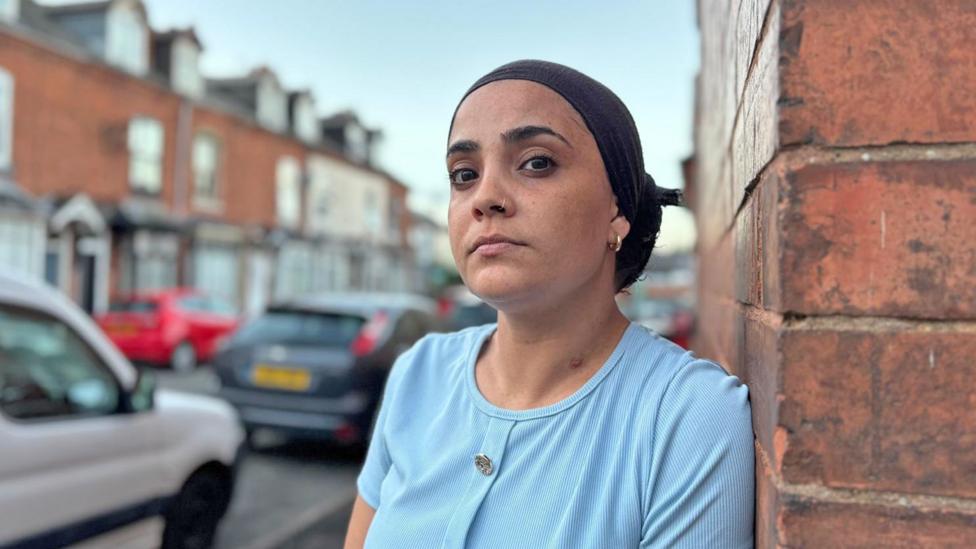 Image source, Michael Buchanan / BBC
Alysha became homeless after experiencing domestic abuse in her marriage
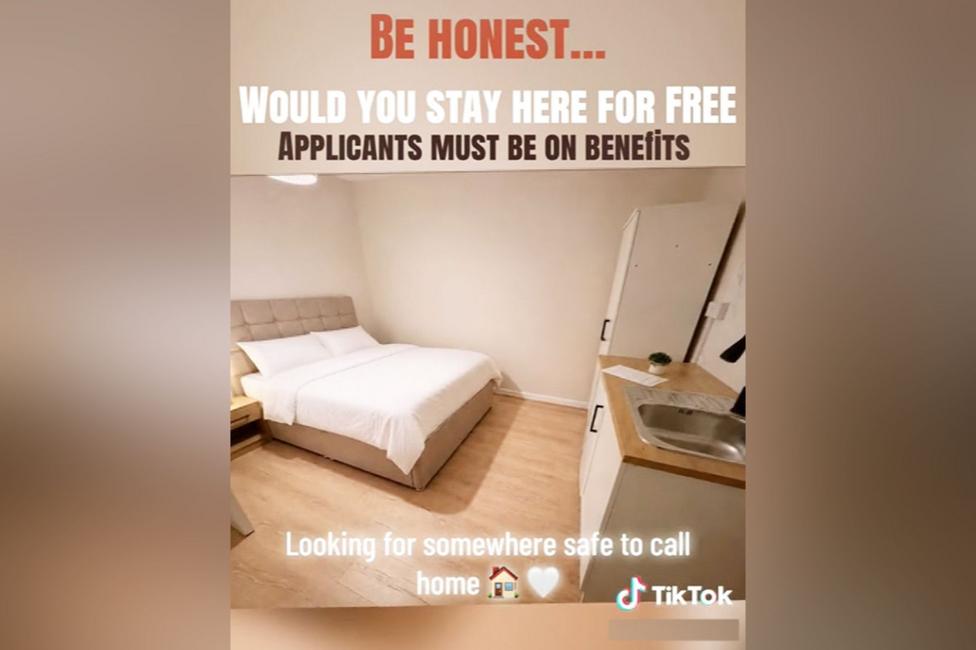 Image source, TikTok
Adverts on TikTok advertise "free" rooms for people on benefits

Brian says he was accepted into supported accommodation despite not requiring support
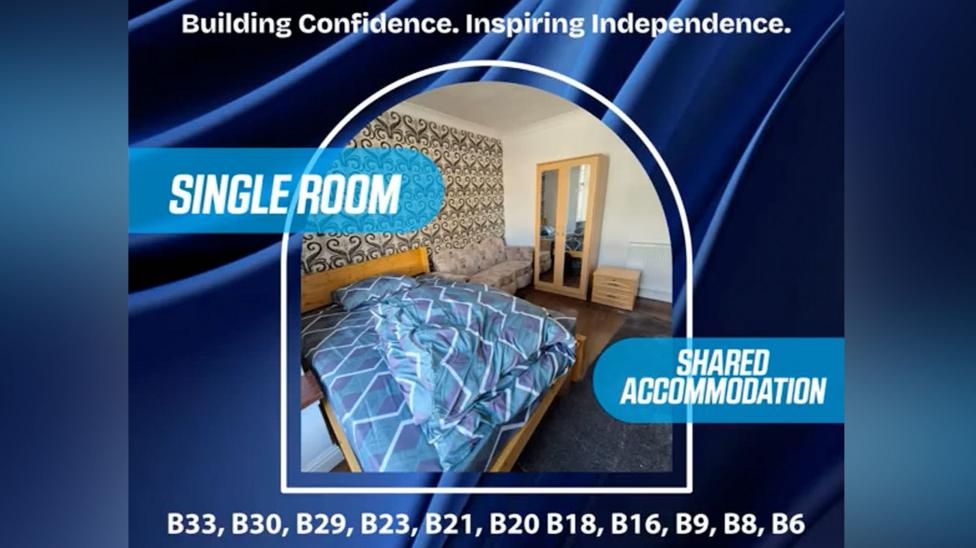 Image source, .
Companies advertise rooms across Birmingham on social media