The key facts
- Spain shifted from observing the 'innocent passage' of Moroccan vessels to actively escorting them with patrols
- Atalaya (crew of 48) is deployed off Ceuta, and Isla de León (crew of 10) in Melilla
- According to the Interior Ministry, the Civil Guard and the Navy, no 'innocent passages' were recorded during the visit of the King and Queen
Protocol Change after the July Events
Spain changed its rules of action in the maritime waters off Ceuta in connection with episodes that Morocco explains as the norm of 'innocent passage' — a provision of the UN Convention on the Law of the Sea allowing foreign vessels to cross the territorial waters of a coastal state. Morocco cites this norm in connection with the incident of July 30 and the appearance of its ships amid a massive influx of migrants at the border with Ceuta. Until July 30, Spain merely observed such movements without intervening.
Enhanced Control and Deployed Ships
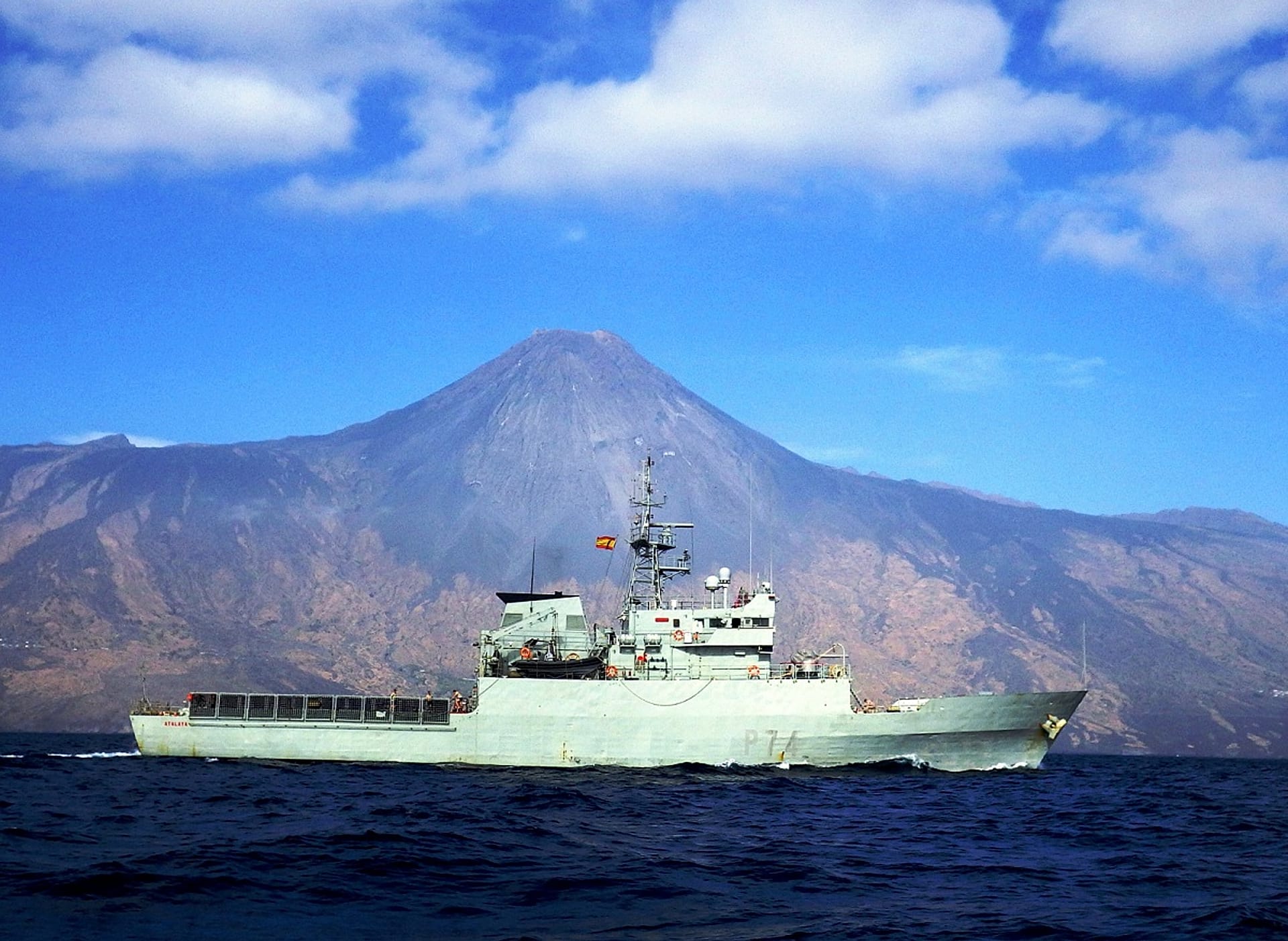
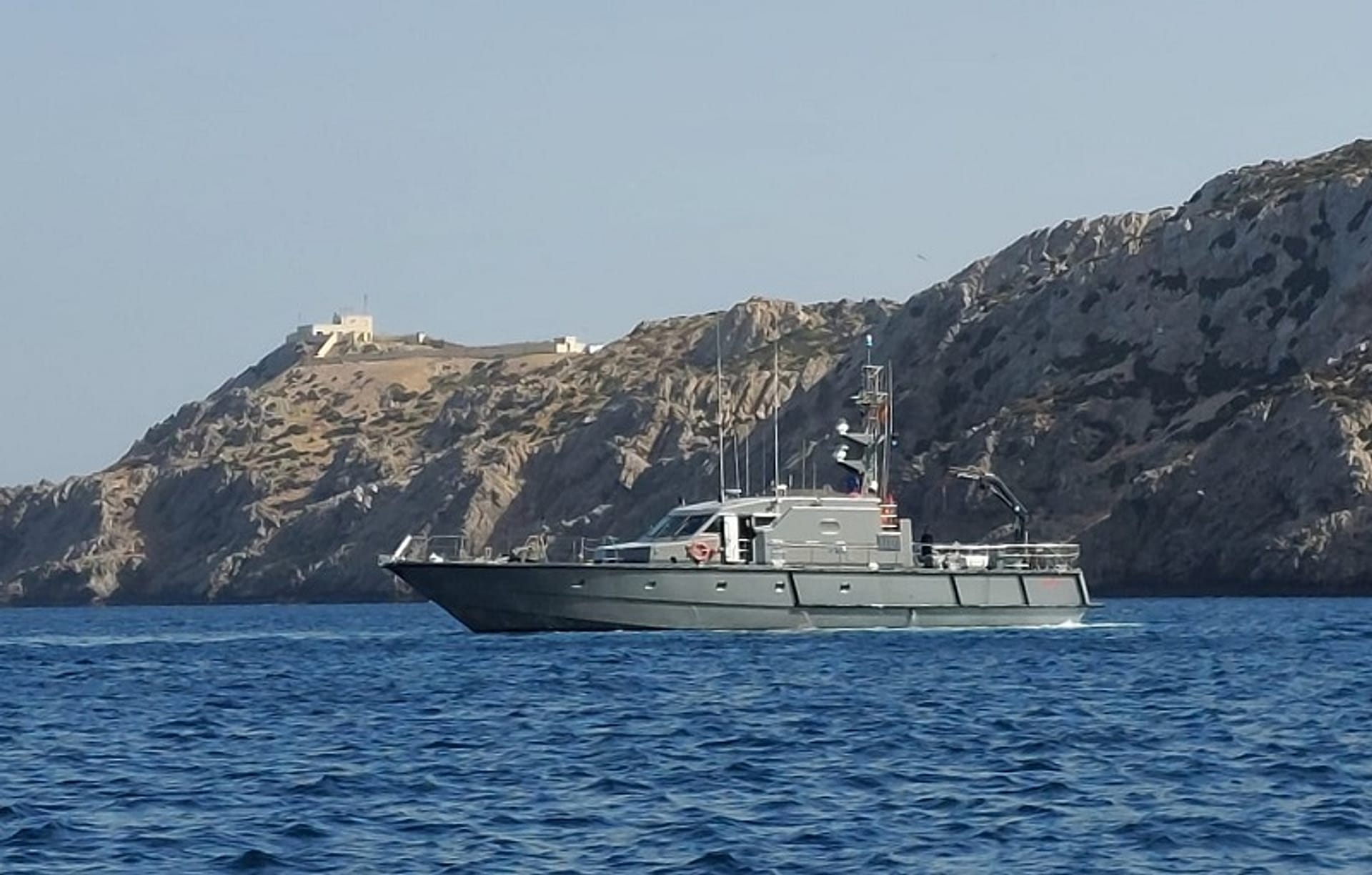
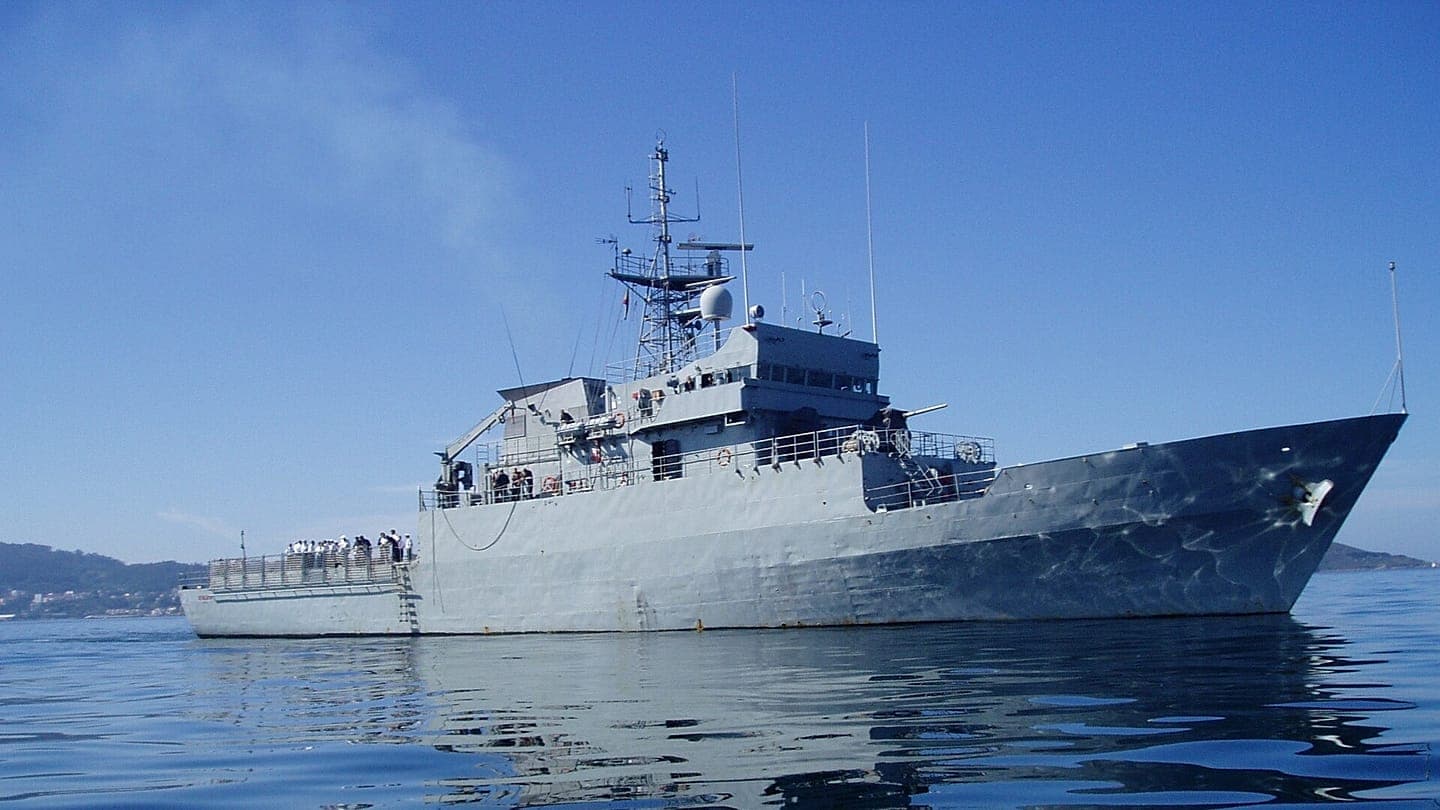
As a source in military circles told the newspaper El Mundo, 'innocent passage' was previously monitored by the Centre for Maritime Operations and Surveillance (COVAM). Now control has been strengthened: Spanish patrol ships go out to meet Moroccan vessels. 'We have become more attentive and no longer wait for them to enter our waters before acting,' the outlet quotes the source as saying. Off the coast of Ceuta, the patrol ship Atalaya of the Navy's Maritime Action Forces is deployed, based in Ferrol, with a crew of 48, four machine guns and one cannon. In Melilla, Isla de León serves with a crew of 10 and a Browning machine gun; it also operates off Ceuta and the Perejil island, but is currently focused on the Melilla area due to Moroccan activity.
The July Incident and Madrid's Reaction
El País reported on October 12 that during the land border breach of Ceuta in late July, the warship 'Mohamed VI' entered Spanish waters. The Ministry of Defence had to additionally send two patrol ships from Rota, and the Chief of the Defence Staff (JEMAD) contacted the Moroccan side and demanded an end to such actions.
Reduced Activity and Preserved Relations with Rabat
The activity of vessels under the Moroccan flag has decreased: according to confirmation from the Ministry of the Interior, the Civil Guard and the Navy, not a single 'innocent passage' was recorded during the visit of the King and Queen of Spain and in the following days. According to El Mundo, the main difference from the previous period is not in detection capabilities, which worked before, but in the addition of an active response — the immediate dispatch of patrols. Spanish vessels escort the movements of Moroccan ships, and the key distinction remains between 'innocent passage' under international law and actions that may call into question the sovereignty or security of Ceuta. Sending patrols out to meet vessels is used primarily as a measure of observation and deterrence.