The key facts
- Bolsonaro won the first round against poll predictions; two polls this week give him 51% versus 49% for Lula
- Lula accused Meta of interference over restrictions on his content; the company denies bias while acknowledging technical glitches
- Congress approved a constitutional amendment providing two paid days off per week — a Lula promise
Debate on the eve of the runoff
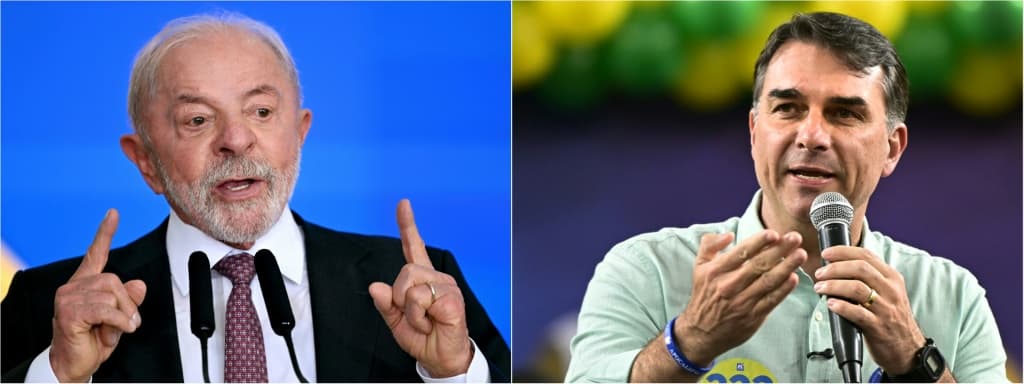
Brazil's incumbent President Luiz Inacio Lula da Silva and Senator Flavio Bolsonaro will meet on Sunday evening in the first TV debate a week before the second round of the presidential election. Bolsonaro, the 45-year-old son of former president Jair Bolsonaro, unexpectedly took first place in the first round, contrary to poll predictions. Lula refused to take part in the first-round debates. The campaign has been marked by scandals and mutual insults, and the debate is considered a key event.
Rallies and protests
On the eve of the debate, thousands of Bolsonaro supporters gathered for a rally on Paulista Avenue in Sao Paulo in the yellow and green colors of the flag. One participant, 36-year-old Sara Machado, said that 'the country is in a state of distress' and people have to work two or three jobs to make ends meet. In Rio de Janeiro, swimmers at Praia Vermelha beach lined up in the water to spell out Lula's name, while on Copacabana a 'rally for democracy' in support of the president was to take place featuring 80-year-old singer Caetano Veloso. After the first-round result, students and social movements have been holding actions under the slogan 'Never again Bolsonaro'.
Poll dynamics and the restructuring of Lula's campaign
Bolsonaro has led in the polls since the first round, but two polls this week showed his lead narrowing: 51% versus 49% for Lula. An atmosphere of 'cautious hope' prevails in Lula's campaign headquarters, with an understanding that a tough fight lies ahead, an anonymous government source said on Friday. Ahead of his 81st birthday, Lula admitted that his campaign had been the most 'disorganized' in decades of his political career and restructured it: he brought in young left-wing influencers to work on social media and began recording video selfies to connect with voters.
Conflict with Meta and campaign measures
This week Lula accused Meta of 'interference' in the election, claiming the company restricted his content on Facebook, Instagram and WhatsApp, giving an advantage to Bolsonaro's campaign. Meta rejected the accusations of bias but acknowledged several technical glitches, including the erroneous suspension of Lula's campaign ad account during an anti-fraud check. On Wednesday, Congress approved a constitutional amendment guaranteeing two paid days off per week instead of one — an election promise by Lula. Flavio Bolsonaro, who had previously criticized the measure, voted 'yes' at the last moment. Lula called this 'electoral opportunism.' Lula also announced debt forgiveness for micro-entrepreneurs, university scholarships and the abolition of fuel taxes.
Mutual accusations and campaign themes
'Lula deceives people for votes,' Bolsonaro said in an interview on Friday. He is betting on a hard line on security — voters' main concern — saying that 'those who consider me a radical on public safety have seen nothing yet,' and that El Salvador's model of mass imprisonment of gang members 'seems too soft.' The senator also promised to seek the release of his father, who is serving a 27-year sentence under house arrest for plotting a coup after the failed bid for re-election in 2022.