The key facts
- An OTS action plan through 2027 was approved, and the venue and dates of the 9th meeting were set
- The number of media outlets in Kazakhstan grew from 2.5 thousand to 5.5 thousand over 10 years, internet coverage rose from 75% to 98%
- Kazakhstan adopted the law 'On Artificial Intelligence' with mandatory labeling of AI-generated content
Meeting of Media Agency Heads of OTS Countries
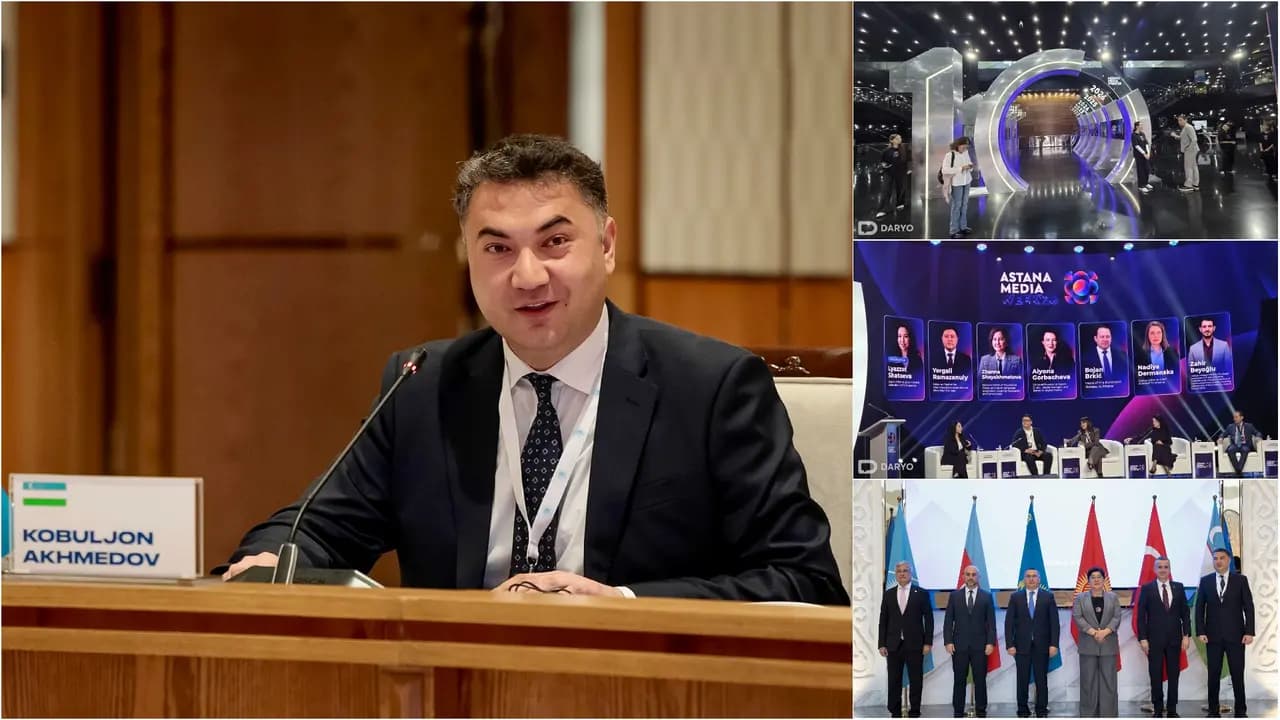
Astana hosted the 8th meeting of the heads of agencies responsible for media and the information sphere in the member countries of the Organization of Turkic States. This was reported by a correspondent of 'Daryo'. Participants discussed coordination of the information policy of OTS countries in the era of artificial intelligence, the introduction of digital technologies, and strengthening cooperation between the media of the Turkic world. Following the meeting, an OTS action plan through 2027 was approved, and the venue and dates of the next, 9th meeting were determined.
Astana Media Week 2026 and the Transformation of Kazakhstan's Media Sphere
At the same time, Astana hosted the anniversary international media forum Astana Media Week 2026, whose main themes were the use of AI in journalism and preserving trust in the digital environment. First Deputy Minister of Culture and Information of Kazakhstan Kanat Iskakov noted that over the past 10 years the country's media sphere has changed dramatically: if 10 years ago Kazakhstan had 2.5 thousand media outlets, today their number exceeds 5.5 thousand, and internet coverage has grown from 75% to 98%. According to him, 45–50% of the population receive news via social networks and messengers — Telegram, Instagram, YouTube and TikTok; Telegram channels have become full-fledged media outlets, and bloggers compete with traditional newsrooms.
AI Risks and the Problem of Media 'Invisibility'
Kanat Iskakov emphasized that AI tools, while accelerating content creation, increase the risks of spreading fakes and cyber fraud, including using images of state figures and well-known journalists. He proposed introducing unified ethical norms and standards of accountability for the use of AI in newsrooms. Deputy Director of the Central Communications Service under the President of Kazakhstan Alexander Belilovsky drew attention to the risk of media becoming 'invisible' to audiences: users increasingly receive news directly through AI assistants such as ChatGPT, Gemini and DeepSeek without visiting news outlets' websites, causing media to lose search traffic and advertising revenue. 'We are entering a new era of Business2Bot (from business to algorithm). For news to reach citizens, it must first attract the attention of artificial intelligence. Newsrooms will have to work not only for readers but also for algorithms, in order to become sources of their knowledge,' Belilovsky said.
Legal Measures and Kazakhstan's National AI Models
The session discussed the necessary measures and legal solutions in this sphere. Kazakhstan has developed national language models of artificial intelligence, ISSAI KAZ-LLM and Alem LLM, which make it possible to take local and cultural context into account when working with AI. In addition, Kazakhstan became the first country in the region to adopt the law 'On Artificial Intelligence'. The document enshrines the principle of human control over AI, prohibits fully autonomous editorial decision-making, provides for mandatory labeling of content created with the help of AI, and assigns responsibility for it directly to the journalist.
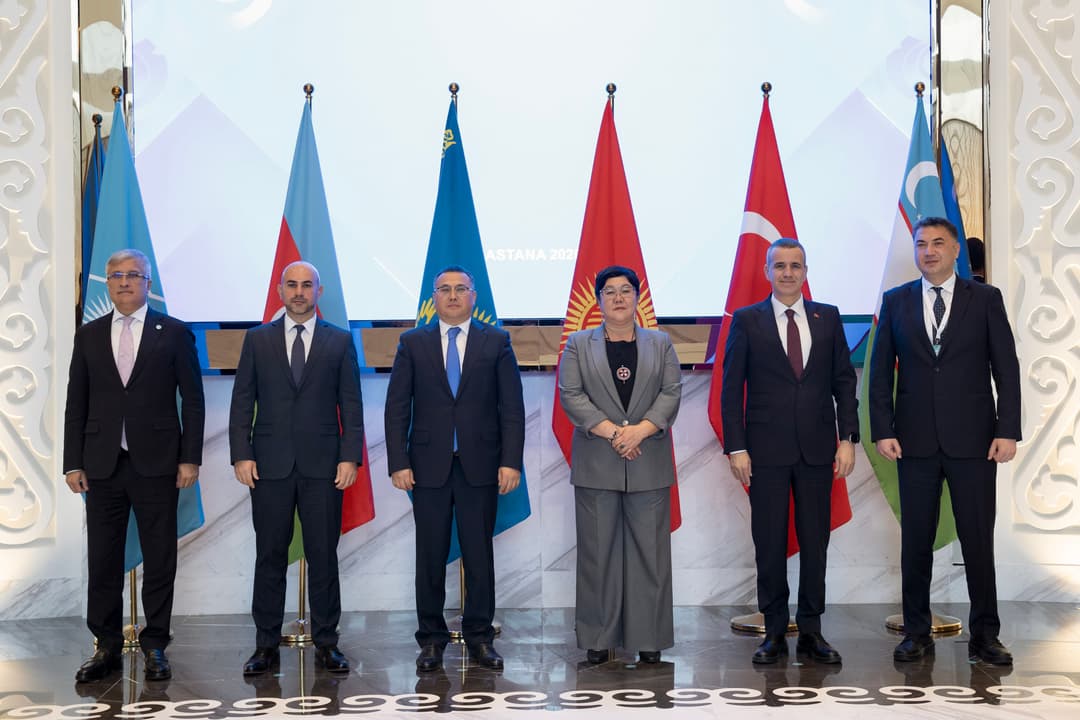
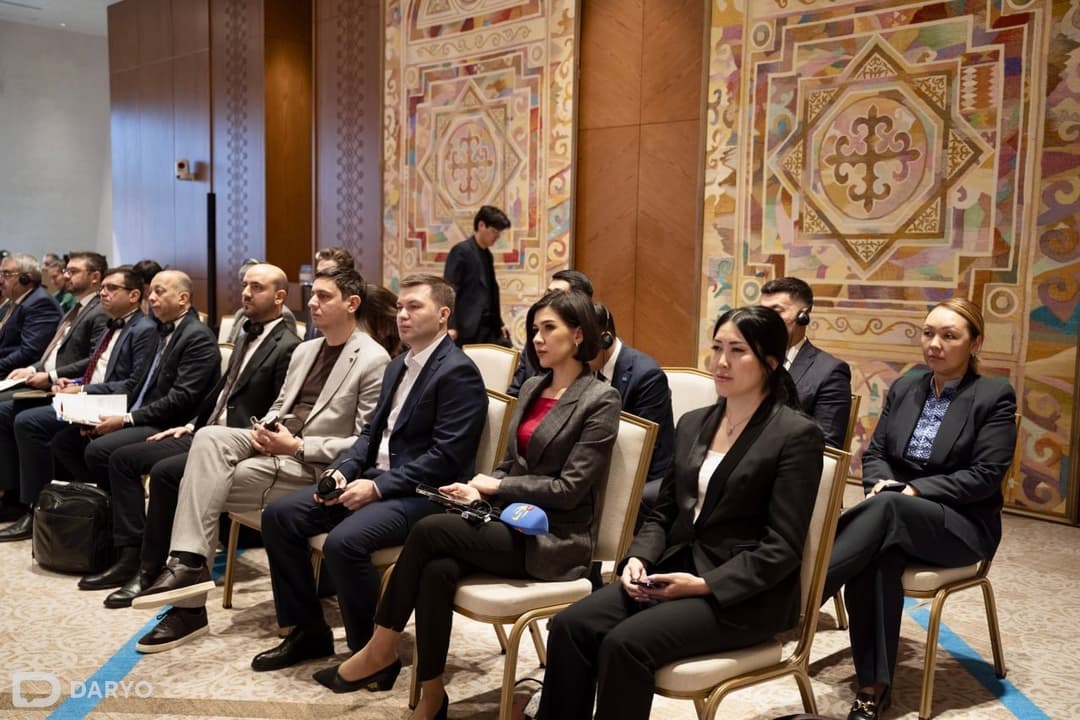
Фото: “Daryo”
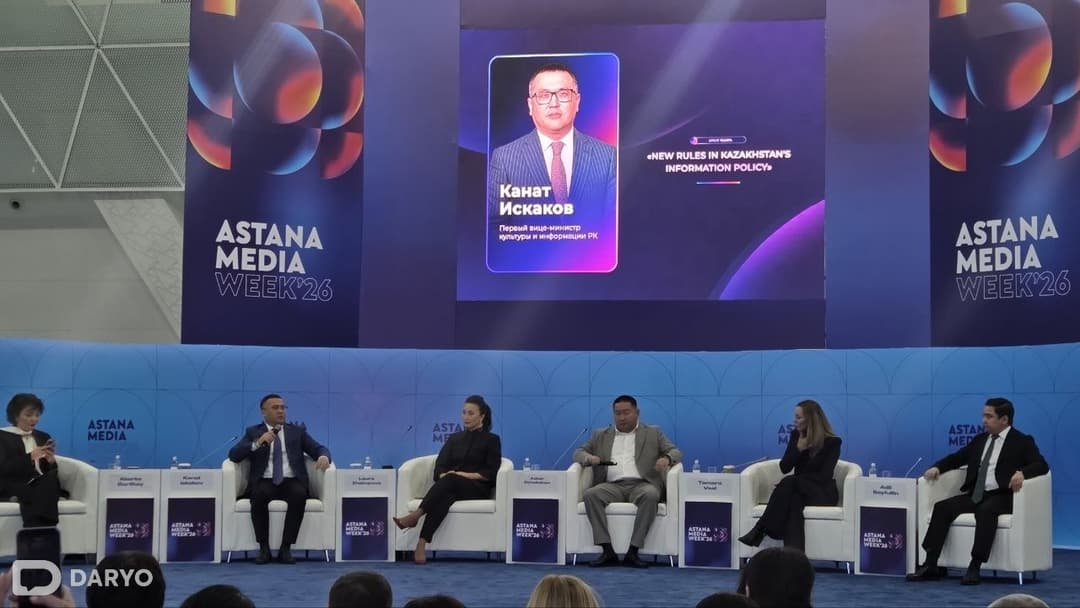
Фото: "Daryo"