The key facts
- On October 12, facilities were launched in New Tashkent and construction of 10 projects worth $2.5 billion began, including the $320 million Deep Tech Park
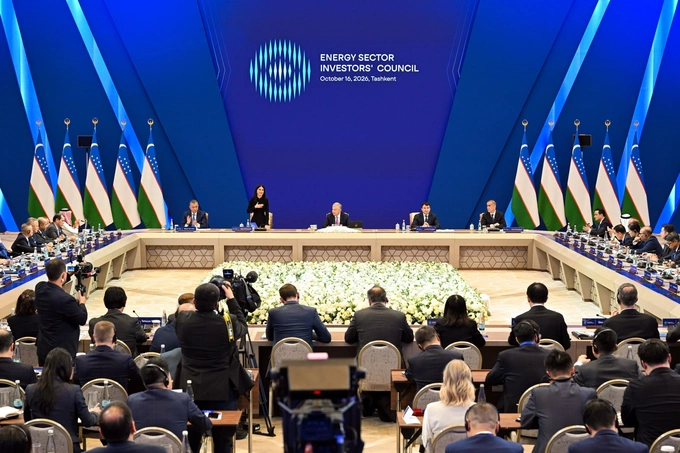
- On October 16, the Investors Council in the fuel and energy sector was created under the leadership of Saida Mirziyoyeva; negotiations on a second nuclear power plant were announced
- The Ministry of Construction proposed raising heating tariffs in Tashkent by 30% from November 1 and the price of propane by 2.5 times with targeted subsidies
New Tashkent: facility launches and new projects
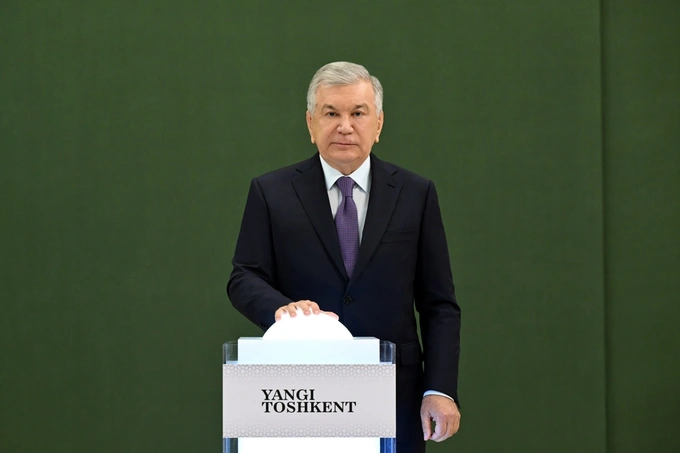
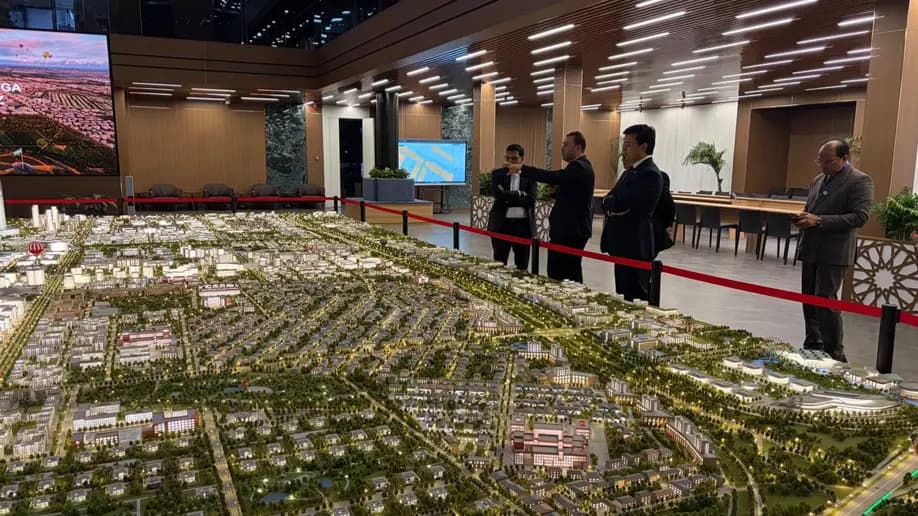
On October 12, President Shavkat Mirziyoyev took part in a ceremony launching facilities in New Tashkent. Commissioned were a trigeneration plant worth $73 million, the first phase of the Sharq Bahori residential complex with 7,000 apartments, a school for 2,000 students, the Sohil Bogi park, the Yangi Toshkent electrical substation, as well as 4.5 km of water pipelines, 13 km of sewage lines and 18 km of roads. At the same time, construction began on 10 more major projects worth $2.5 billion, including the $320 million high-tech industrial zone Deep Tech Park for semiconductor production. Also planned are a 10-kilometer road to Temur Malik street, the Metropolis business center of 818,000 square meters, three residential complexes, a central hospital and, with the participation of Finland's MariMatic, a facility producing 'green' electricity from waste.
Instructions to investors and benefits
At a dialogue with investors of New Tashkent, the president instructed to accelerate project implementation, allocate land using the Swiss Challenge method and speed up the relocation of government bodies. It is proposed to reduce infrastructure fees 3-fold for trade, service and business facilities, 5-fold for hotels and 10-fold for cultural and entertainment venues. Investors with projects of $50 million or more are promised special benefit packages and personal representatives. Each district of the capital and each region will be assigned 100 hectares of land in New Tashkent, and foreign companies will receive separate lots. Mirziyoyev also instructed to accelerate construction of the Shirin massif in Samarkand and extend New Tashkent benefits to it, voicing the formula O'Z: Uzbekistan — change, originality and responsibility.
Urban environment and logistics
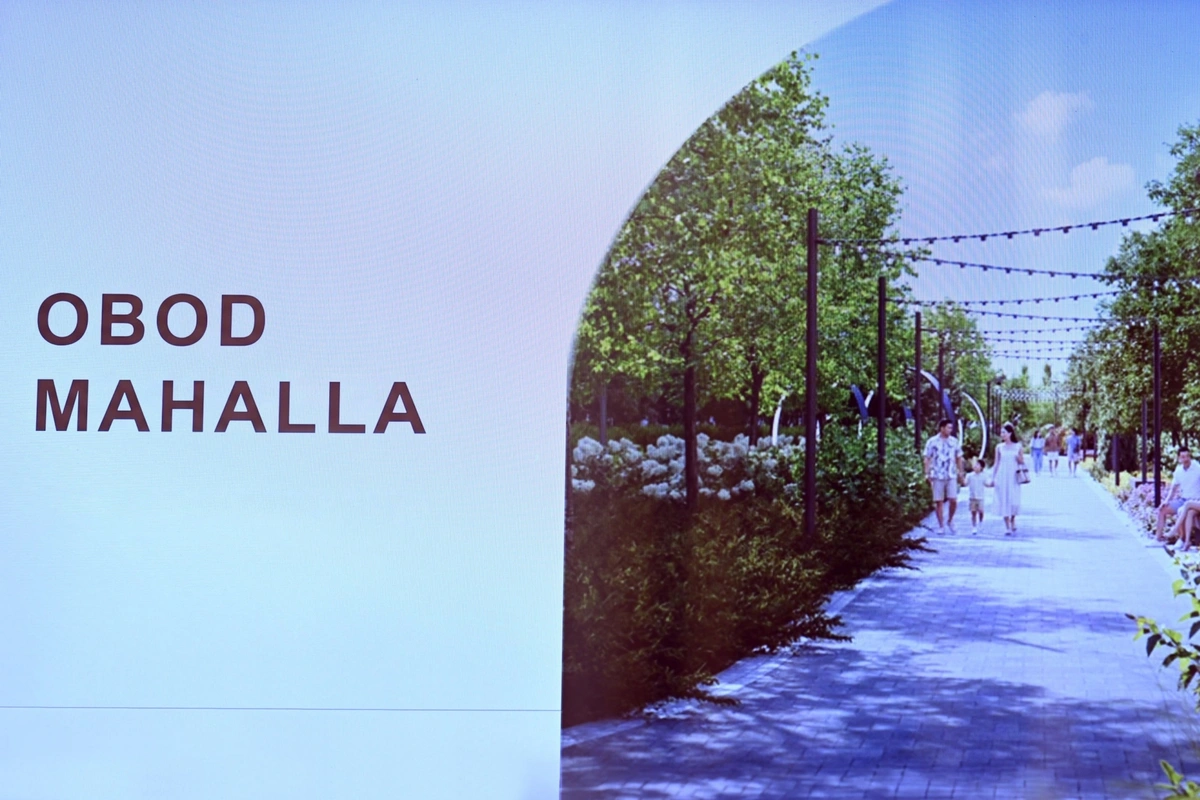
On October 14, the president reviewed neighborhood improvement projects: the key direction will be the '15-minute neighborhood' principle with shops, schools, kindergartens, medical facilities and recreation areas within walking distance. A project for the Uchtepa City business center of 37 hectares in the Uchtepa district was presented: a foreign investor plans to invest $1 billion in the first phase in residential buildings, offices, a shopping and entertainment complex, a hotel and a 26-hectare promenade zone. Measures for developing the transport and logistics system were approved: by 2030, transit freight traffic should grow to 18.5 million tons per year, and exports of logistics services to $3.5 billion. Complexes with digital services are promised property and land tax benefits and abolition of duties on warehouse equipment. From November 1, the customs fee for processing international courier shipments to individuals will decrease by 20% — to 1.6% of the BRV (7,040 soums) per kilogram.
Economy: IMF forecast and Nobel Prize
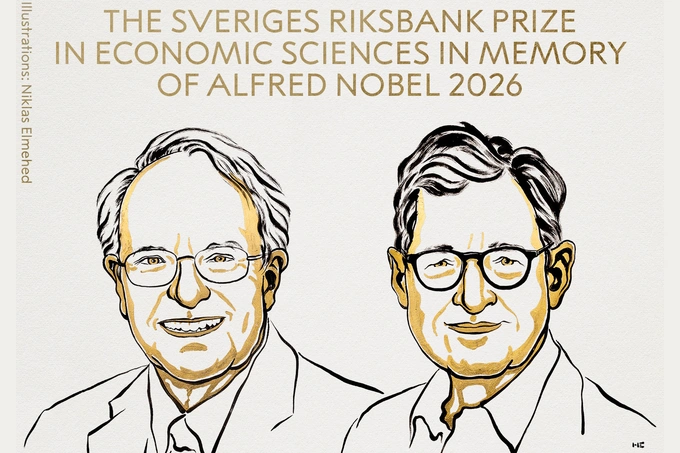
The IMF raised its forecast for Uzbekistan's economic growth this year from 6.8% to 7.8%, and its 2027 estimate from 6% to 6.5%, while a slower decline in inflation is expected. The Nobel Prize in Economics was awarded to American economists Robert Hall and Michael Woodford for a new approach to economic stabilization based on microeconomic parameters, including the expectations of the population and businesses. The Ministry of Economy and Finance expanded the register of socially significant organizations to 449 participants, adding 24 companies, including Kafolat, Asia Insurance, Digital Pay, Paypoint, Olmos Finance and Havas Food; special requirements for reporting, auditing and corporate governance apply to them.
Energy and tariffs
The Ministry of Construction published a draft resolution on raising heating tariffs in Tashkent by 30%: from November 1, heating may rise in price from 241.44 to 314 soums per 1 sq. m per day, and metered hot water from 8,928.67 to 11,607 soums per cubic meter. From 2028, annual tariff indexation on May 1 at the inflation rate, but no more than 10%, is proposed. Deputy Minister of Economy and Finance Khurshed Mustafayev announced plans to reduce heating costs by 30–40% through modernization and noted that strict indexation tied to inflation may require revision if the situation changes. Another draft provides for a 2.5-fold increase in the retail price of propane from November 1 — to 5,000 soums — with targeted subsidies of 3,000 soums per kilogram for the purchase of up to 20 kg per month for families in need. According to Mustafayev, electricity consumption fell by 13%, gas by 21%, and winter outages are expected only during scheduled repairs. The authorities also stated that after the explosion on the 'Central Asia — Center' gas pipeline in the Ryazan region, gas supplies from Russia are proceeding on time, and with underground storage injection there are 'absolutely no problems'.
Greenhouses and ecology
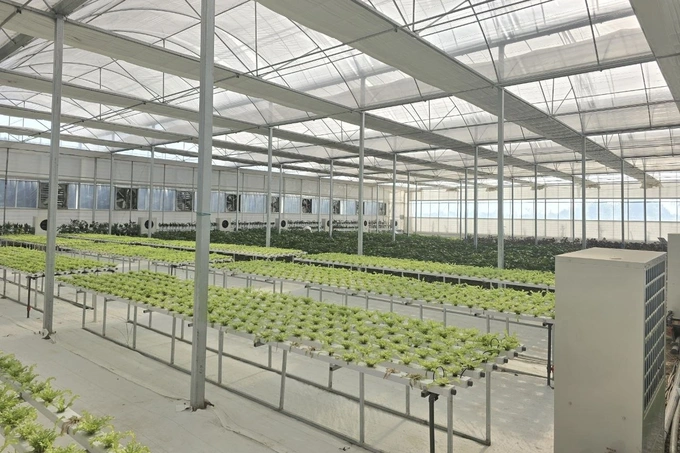
On October 12, the Ecology Committee reported on proposals from greenhouse farms of the Tashkent region to allow coal heating when it is impossible to use gas, electricity, solar and geothermal energy or waste heat from thermal power plants — using certified boilers and emission cleaning systems. On October 13, the president reviewed a presentation on 'green' technologies in greenhouses: in Tashkent and five adjacent districts, a special ecological regime is proposed, banning the burning of harmful types of fuel and strengthening control over coal. Subsidies of up to 50 million soums per hectare, preferential loans of up to 3 billion soums, tax benefits and grants are envisaged. The relocation of bank-held greenhouses to the Surkhon-Agro SEZ was discussed, with exemption of participants from taxes and duties and sale of land at 10% of the normative value. The president also signed a resolution on developing the greenhouse industry, with a reduction in land and property taxes, subsidies for ecological heating systems and grants of up to 200 million soums for families in need.