The key facts
- Egypt's National Defense Council, led by el-Sisi, declared full solidarity with Riyadh
- Cairo promised 'all necessary and possible forms of support' to protect the security of Saudi Arabia and the Islamic holy sites
- The decision was made amid the escalation of Houthi missile and drone attacks on the kingdom
National Defense Council Statement
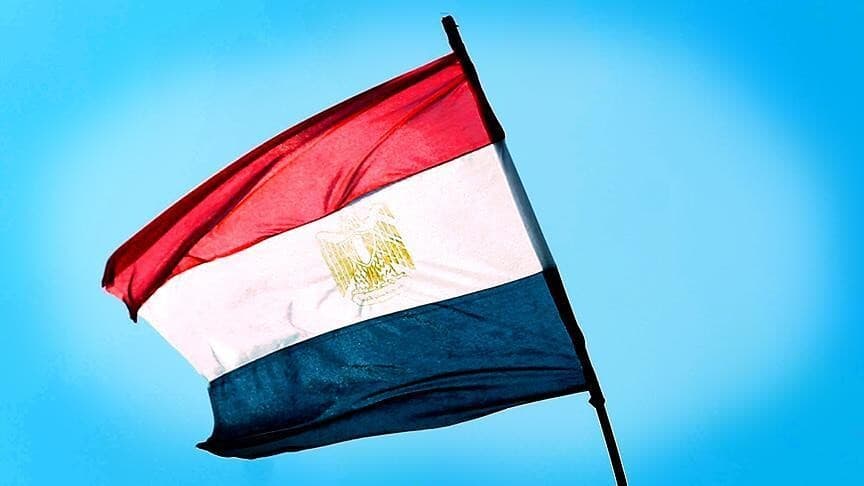
Egypt's National Defense Council on Sunday promised to provide Saudi Arabia with 'all necessary and possible forms of support' to protect its security and stability amid the escalation of attacks by Yemen's Houthis on the kingdom. The meeting was chaired by President Abdel Fattah el-Sisi at the presidential palace in Cairo. According to Egypt's State Information Service (SIS), the council considered the 'dangerous' developments in the region, in particular the intensifying strikes on Saudi Arabia.
Full Solidarity and the Interconnection of the Two Countries' Security
The council declared Egypt's 'full solidarity' with Saudi Arabia, citing the historical ties between the two countries. The statement emphasized that Saudi Arabia's national security is linked to Egyptian and Arab national security. The council resolved to provide support to protect the security and stability of the kingdom, its resources and territorial integrity, as well as the Islamic holy sites.
Diplomatic Efforts
In addition, the council decided to continue and intensify political and diplomatic efforts in coordination with relevant regional and international parties to reduce tensions in the region and peacefully resolve the ongoing crises.
Context and Meeting Participants
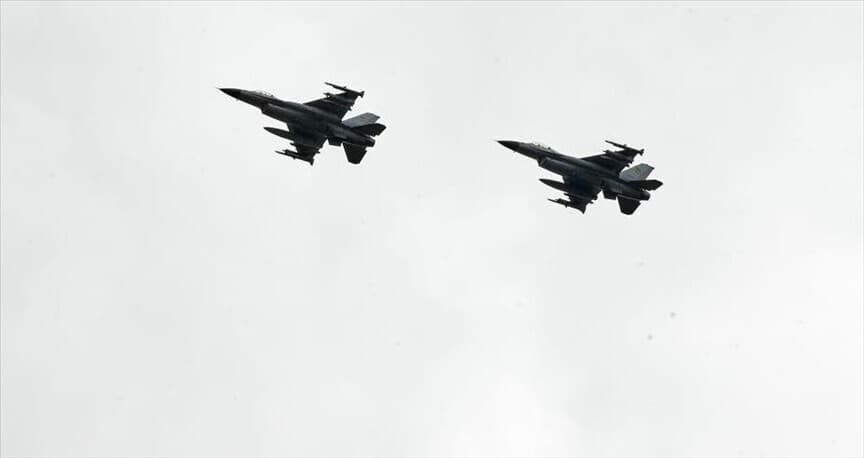
The decision was made against the backdrop of a sharp escalation of the confrontation between Saudi Arabia and Yemen's Houthi movement, which had been carrying out missile and drone strikes on the kingdom. The meeting was attended by senior Egyptian political, military and security officials, including the speaker of parliament, the prime minister, the defense minister, the army chief of staff, the foreign and interior ministers, the head of intelligence and the armed forces command.