The key facts
- 144 drones (some reports say 145) shot down over Leningrad Region — the largest attack on the city since 2022
- Fires at the Petersburg Oil Terminal and the Ruchyi fuel depot, 12 residential buildings damaged, 20,000 people without power in Yanino
- Zelensky announced the resumption of strikes on refineries and accused Russia of 76 attacks on Ukraine's power grid
Largest attack on St. Petersburg since 2022
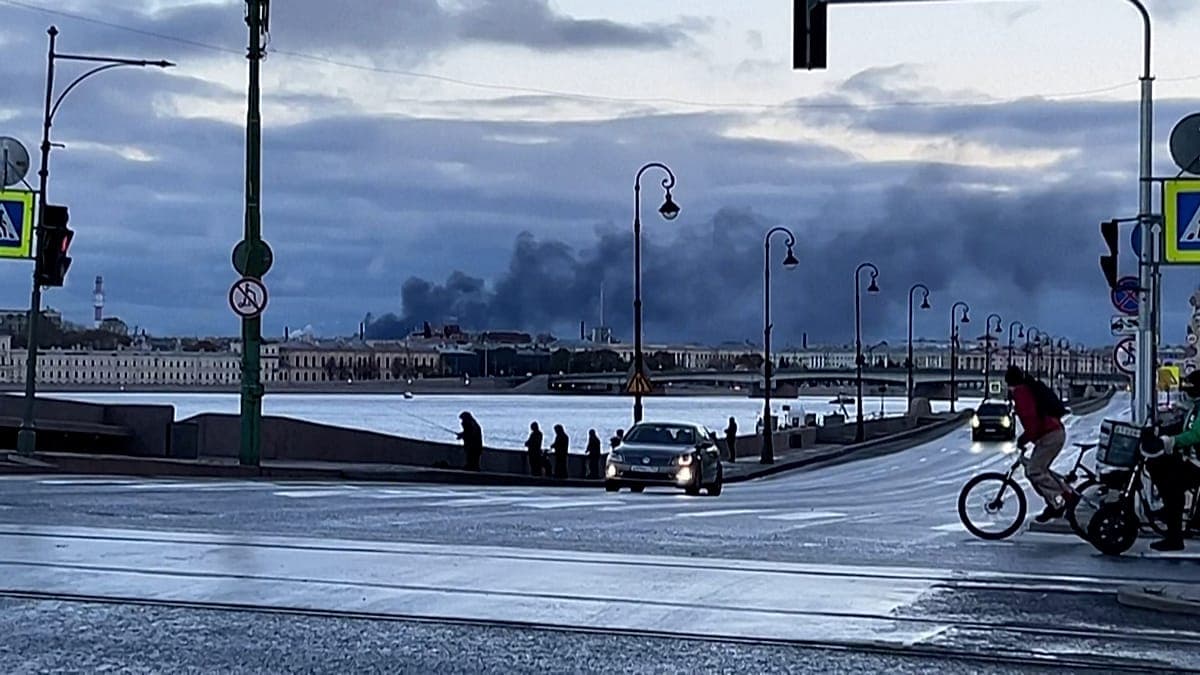
On the night of October 18, 2026, St. Petersburg came under a large-scale attack by Ukrainian drones, which state media called the largest since the start of the war in 2022. City Governor Alexander Beglov confirmed that air defense systems activated after the attack. The Petersburg Oil Terminal and the Ruchyi fuel depot caught fire, with strikes hitting infrastructure in several districts of the city. A column of smoke was visible from the historic center on the banks of the Neva.
Fires, casualties and damage
According to Beglov, one person was killed, five were hospitalized, and 12 residential buildings were damaged. Pulkovo airport's operations were temporarily restricted for security reasons. A data center of the VKontakte social network and a logistics center of Ozon — Russia's second-largest online retailer, which confirmed the hit — were damaged. Leningrad Region Governor Alexander Drozdenko said air defense shot down 144 Ukrainian drones (he later cited the figure of 144, some reports — 145). In Yanino, where a substation was damaged, 20,000 people were left without electricity. Another woman and three children were hospitalized in the region with signs of carbon monoxide poisoning after drone debris fell on a house.
'Energy truce' in question
The attack came against the backdrop of statements by Volodymyr Zelensky that Ukraine is resuming strikes on Russian oil refineries after a brief suspension that followed Donald Trump's announcement of an 'energy truce' on October 11. Neither side officially confirmed the agreement. Zelensky accused Russia of 76 attacks on Ukraine's power grid over the following week, including strikes on substations in four regions that left tens of thousands of families without electricity, and warned that Moscow plans a 'blackout' in Ukraine before winter.
Kremlin reaction and the US context
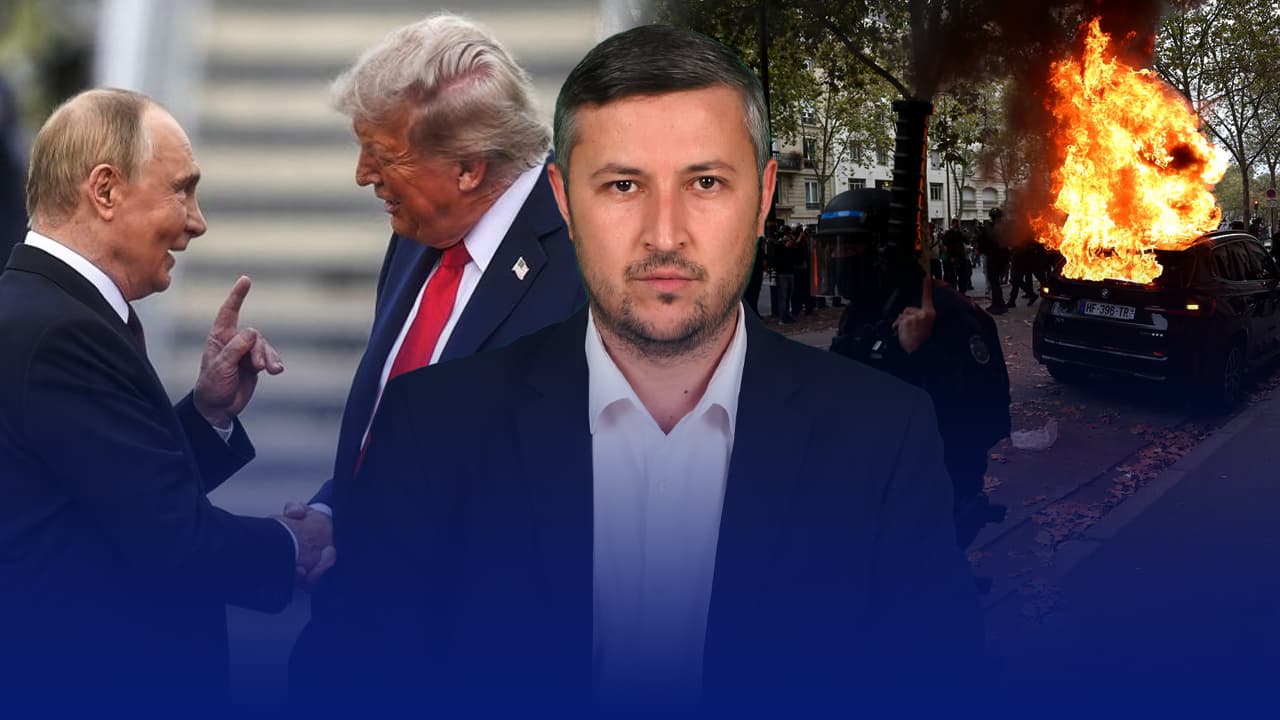
Kremlin spokesman Dmitry Peskov said Kyiv's attacks 'cannot change the course of events' and will not force Russia to reconsider its war goals. The attack coincided with a cooling of relations between Kyiv and Washington: this week Trump blocked a package of new sanctions against Russia targeting the Putin, energy and defense sectors, and earlier signed an agreement with Moscow to purchase diesel — it is seen as a way to lower fuel prices for American consumers ahead of elections. Zelensky called on allies to keep pressure on Moscow: 'It is Russia that must face pressure so that the world has a chance,' he said on Sunday, adding that Russia perceives every signal of an opportunity to make money as confirmation of its bet on war.
Situation in both countries
In Ukraine on Sunday, Russian attacks killed at least three people, according to authorities, including a 27-year-old woman in Zaporizhzhia and two people in Volyn region on the border with Poland. Ukrainian strikes earlier this year caused fuel shortages across Russia. Peace talks mediated by the US have yielded no breakthrough; in the fifth year of the war, Putin appeared in military uniform this week and repeated Moscow's intention to seize the rest of eastern Ukraine. St. Petersburg residents interviewed by AFP described what was happening as 'the terrible routine of war'; one said his main thought was to fill up his car before the gas stations ran out of gasoline.