The key facts
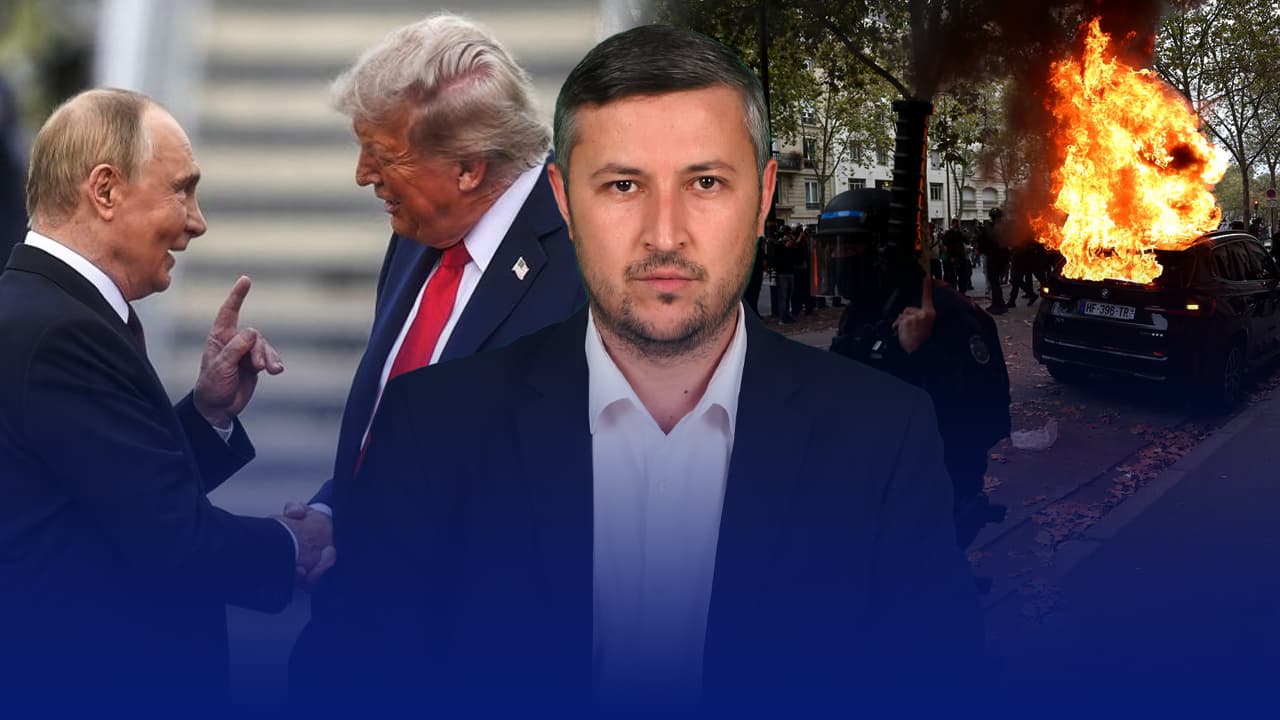
- Trump, per Kun.uz, demands Kyiv stop strikes on Russian refineries and criticizes Zelensky
- The US restricted intelligence data and Starlink speed for the Ukrainian Armed Forces; journalists linked the order to the White House
- Putin reacted for the first time to strikes on WB and Yandex data centers, speaking of a 'response'
Trump took Russia's side, Kun.uz writes
According to Kun.uz, US President Donald Trump has 'completely moved to Russia's side' on the issue of the war in Ukraine. According to the outlet, after Kyiv refused to comply with the demand not to strike Russian oil refineries, Trump took a hard line against the Ukrainian authorities. Over the course of a week, according to Kun.uz, he repeatedly said that 'Ukraine needs a new leader' and that it is impossible to reach an agreement with Zelensky, and in an interview he stated that Zelensky is 'not the person the US wants to work with'.
Conversation with Putin and the 'diesel fuel' deal
Kun.uz reports that Trump held a phone conversation with Vladimir Putin, following which the US allegedly reached an agreement to purchase 'diesel fuel' from Russia, and Moscow, for its part, lifted sanctions on this matter. The outlet also writes that Trump weakened the restrictions under the 'Russian sanctions from hell' law named after Senator Graham: according to Kun.uz, the 100% tariffs for buyers of Russian oil and 500% tariffs on Russian goods will not be introduced.
Restrictions on Starlink and intelligence data
According to Kun.uz, the speed of Starlink terminals used by the Ukrainian army was reduced, which created serious problems at the front. The outlet notes that Elon Musk, who has grown close to Trump again, was blamed for the restriction, but the billionaire stated that the speed of military terminals is controlled by the Pentagon. Journalists later established that the relevant order came from the White House. In addition, the US stopped passing intelligence data to Ukraine about Russian strikes, because of which, according to the outlet, more Russian strikes hit their targets. After the US, other Western allies also stopped providing intelligence data, as Kun.uz writes; it is only reliably known that Canada continued the exchange. The US also halted the transfer of intelligence on other war-related matters.
Putin on strikes on WB and Yandex data centers
Russian President Vladimir Putin commented for the first time on Ukraine's strikes on Wildberries warehouses and Yandex data centers. 'We have faced the adversary's actions against both WB and the Ozon platform. Moreover, they always take such steps — honestly speaking, we should have anticipated this. But we thought they would not go that far,' Kun.uz quotes him. Putin stated that 'after Ukraine started this, the Russians also responded by striking similar targets in Ukraine.' The outlet notes, however, that Russia had previously already struck Ukrainian data centers, and hardly any facilities remain that Russian missiles have not reached, yet it was precisely the strikes on WB and Yandex that caused a major resonance.