The key facts
- Pakistan has secured energy supplies through November and is planning winter purchases; there are no shortages or queues at petrol stations
- Aurangzeb: continued strikes on Gulf energy infrastructure will prolong the return to normality
- Pakistan is in its 25th IMF programme worth about $7 billion; a $1.2 billion tranche was agreed in October
Pakistan has so far coped with the energy shock
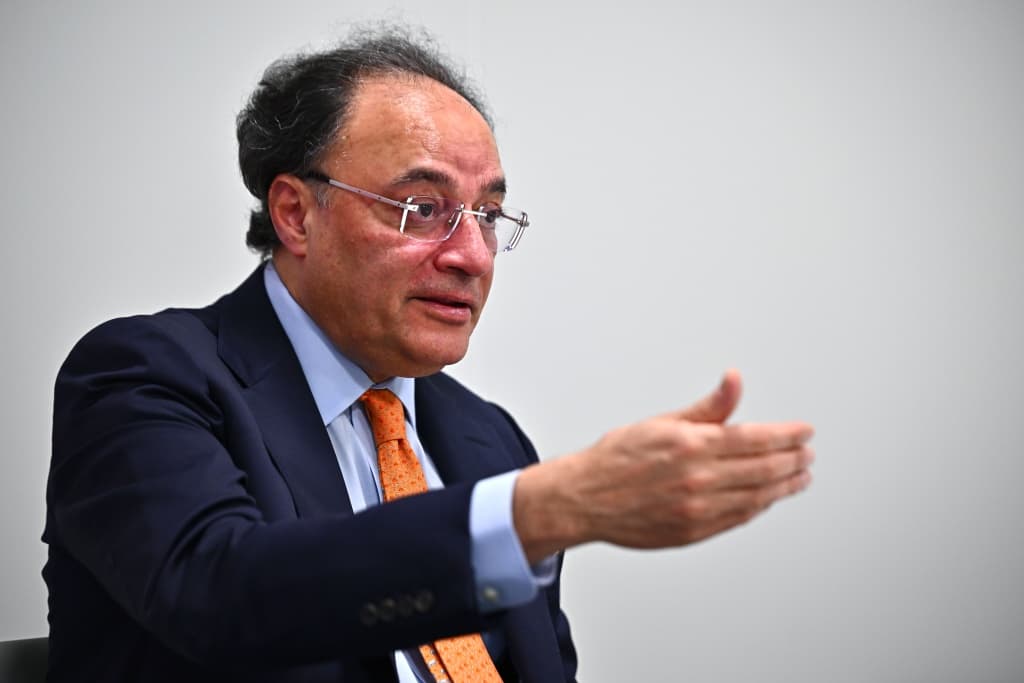
Pakistan's Finance Minister Muhammad Aurangzeb told AFP on the sidelines of the annual IMF and World Bank meetings in Bangkok that the country has so far withstood the consequences of the sharp rise in energy prices caused by the war around Iran. According to him, 'Pakistan has handled the initial shock well': there are no shortages, no queues at petrol stations, and no law-and-order problems have arisen either. The country has purchased enough energy supplies through November inclusive and is now planning provision for the winter months, when household consumption usually rises. Aurangzeb added that the government will not buy spot LNG cargoes — significantly more expensive than previously contracted supplies — unless there is an 'absolute extreme necessity'.
Concerns over attacks on Gulf infrastructure
The minister's alarm was triggered by the escalation of attacks on the infrastructure of Saudi Arabia and other Gulf states. Since the start of the US and Israeli war against Iran in February, world energy prices have risen: Tehran's retaliatory actions affected Washington's allies in the Gulf and reduced oil and gas supplies. Against the backdrop of the resumption of the civil war in Yemen, the Houthis have repeatedly attacked Saudi infrastructure in recent days, including energy facilities and airports. 'The alarming part is when energy infrastructure starts to suffer,' Aurangzeb said. 'Honestly, I don't know where this will lead. But one thing is clear: if the infrastructure continues to be hit, the return to normality, even if the situation subsides, will take longer'.
IMF programme and fiscal consolidation
Pakistan is a perennial IMF client and is currently in its 25th programme with the Fund since gaining independence in 1947, at least 11 of which were full-fledged bailout programmes. The current programme is worth about $7 billion over three years; this month the Fund approved the disbursement of a $1.2 billion tranche. At the current annual meetings, the IMF called on all economies, including those most vulnerable to the shock from the war with Iran, to pursue fiscal consolidation to prevent a possible crisis. 'Fortunately for us, we have already been on the path of fiscal consolidation for some time,' Aurangzeb noted.
Tax reforms and resistance
Pakistan's tax revenues have grown noticeably in recent years. The minister said the government is targeting embezzlement in the private sector: companies collect sales tax from consumers but do not remit it to the state budget — the amounts run into billions of dollars. He also noted 'room for improvement' in income tax collection. According to him, the reform agenda faces resistance from industry, lobbying groups and vested interests: 'Any reform, any attempt to change the status quo meets pushback'.
Military enterprises and privatisation
One of the key conditions of the IMF programme is the privatisation of state assets in Pakistan, where the army runs a vast business empire — from real estate to fertilisers. Asked about these companies, Aurangzeb rejected claims that they are state-funded: 'All commercial enterprises run by the army operate on a self-sustaining basis and are profitable in their own right. I can confirm: we do not allocate funds to them from the treasury.' AFP notes that the army has directly ruled the country for roughly two-fifths of its history, and under the current chief of staff, Field Marshal Asim Munir, it has strengthened its control over key levers of power despite a nominally functioning civilian government.