The key facts
- Global agricultural prices rose 13% in the third quarter, with IFAD warning of a looming global food crisis.
- IFAD President Alvaro Lario expects food prices to keep rising for 6–9 months; nearly one in three people worldwide cannot afford a healthy diet.
- The G7 pledged to mobilize $2.5 billion to help countries at risk of food insecurity, with a focus on fertilizers.
Energy shock hits food prices
Rising energy and fertilizer prices are hitting small farmers and pushing up agricultural prices, raising fears of a global food crisis, the head of the UN fund said in an interview with AFP. According to the International Fund for Agricultural Development (IFAD), global agricultural prices rose 13% in the third quarter of this year, and the fund warned that 'a global food crisis is looming.' The surge in energy prices caused by the Middle East conflict has triggered a sharp rise in the cost of fertilizers and fuel, increasing the costs of producing and transporting agricultural products.
Forecasts and consequences for populations
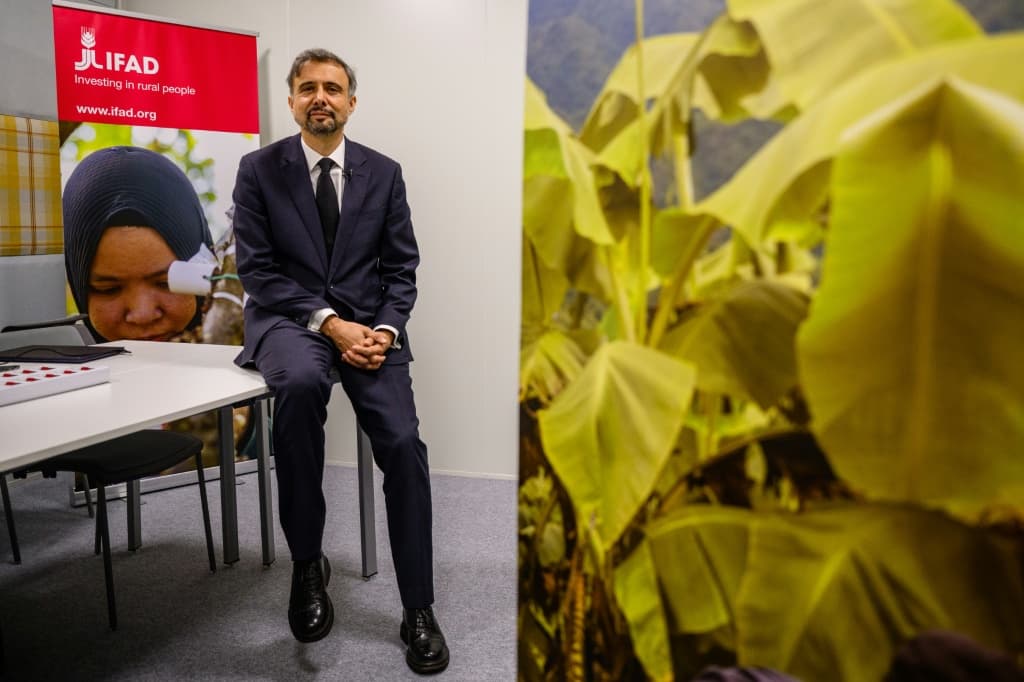
'Over the next six to nine months we will see a continued rise in food prices, and also, I would say, even food inflation that will affect most of those segments of the population who can least afford it,' IFAD President Alvaro Lario told AFP on Tuesday. According to him, 'almost one in three people in the world cannot afford a healthy diet,' and rising prices for legumes, vegetables and meat significantly affect consumers' purchasing power. According to the UN, food insecurity affects about 260 million people worldwide. Lario, speaking on the sidelines of IMF and World Bank meetings in Bangkok, noted that in developing countries food takes up a significant share of household budgets, so price increases are felt especially acutely there.
Small farmers are the most vulnerable group
According to IFAD estimates, small farmers are hit hardest by the energy shock; they account for a third of global food production, and in many developing countries up to 70%. They are especially vulnerable to rising fertilizer prices. 'In the short term, governments have very few options. They can, for example, subsidize the price of fertilizers or fuel,' Lario noted. On Thursday, G7 countries pledged to mobilize $2.5 billion to help countries at risk of food insecurity, with a particular focus on fertilizers.
Call for long-term solutions
Lario called for long-term solutions to address underlying vulnerabilities. 'The important lesson is that such shocks will continue. So the key is to build resilience over the next three to five years,' he said. According to him, supply chains and cultivated crops need to be diversified, and food security in many countries 'is now becoming a matter of national security.' He also pointed to the impact of climate change on small farmers, who receive less than one percent of global climate finance allocated. 'It is absolutely clear that agriculture starts with soil health and water availability, and both are severely affected by climate change. We need to attract investment in climate adaptation,' he concluded.


