The key facts
- 152 detained and 324 under investigation over three days of protests; police report 71 injured officers
- Students demand Rama's resignation and refuse to negotiate on other demands
- Rama rejected resignation, blamed the opposition and 'foreign hands'; the EU called for calm
Three days of clashes in Tirana
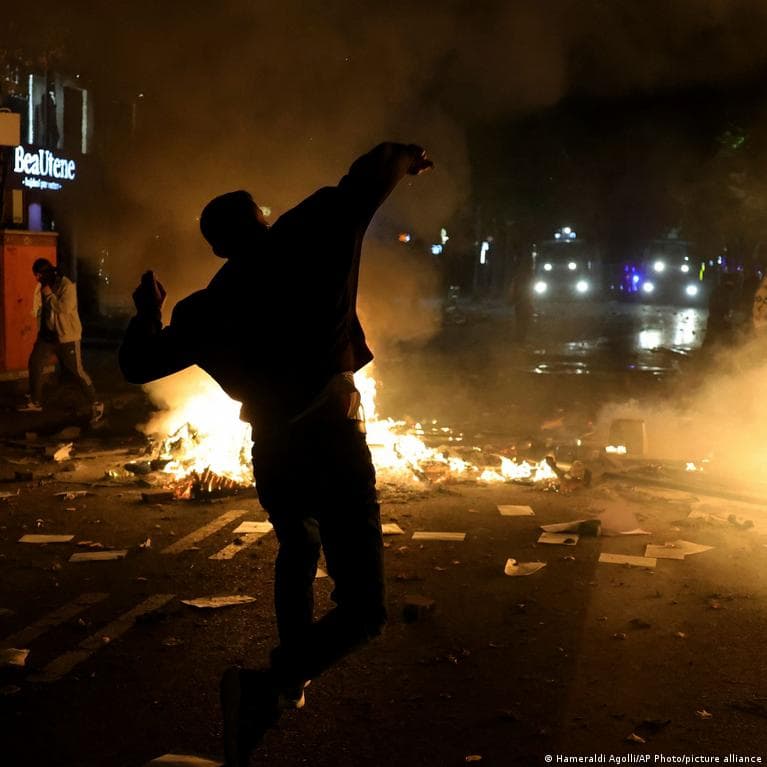
Students in Tirana are boycotting classes and taking to the streets demanding the resignation of Prime Minister Edi Rama, who has ruled since 2013. Over three days, demonstrations escalated into violent clashes: garbage bins, shops, buildings and banks burned, and police used tear gas. According to the authorities, 152 people have been arrested and 324 are under investigation. Both protesters and police officers have been injured — police report 71 injured officers.
From the 'Flamingo Revolution' to a nationwide crisis
The protests have been going on since late May as part of a movement known as the 'Flamingo Revolution'. The trigger was a multi-million-dollar tourism project linked to Jared Kushner, the son-in-law of US President Donald Trump, on the protected coastal area of Zvernec. Since then, the movement has grown into a broader threat to Rama's government. Students are unhappy with conditions at universities, the cost of education and job prospects, but the main demand is the resignation of the government; they refuse to negotiate with the prime minister on other demands. Twenty-two-year-old student Samantha, against the backdrop of Tirana's high-rises, said she cannot afford an apartment on a salary of 540 euros and has to share rent with strangers, as her family has emigrated.
Reaction of Rama and the opposition
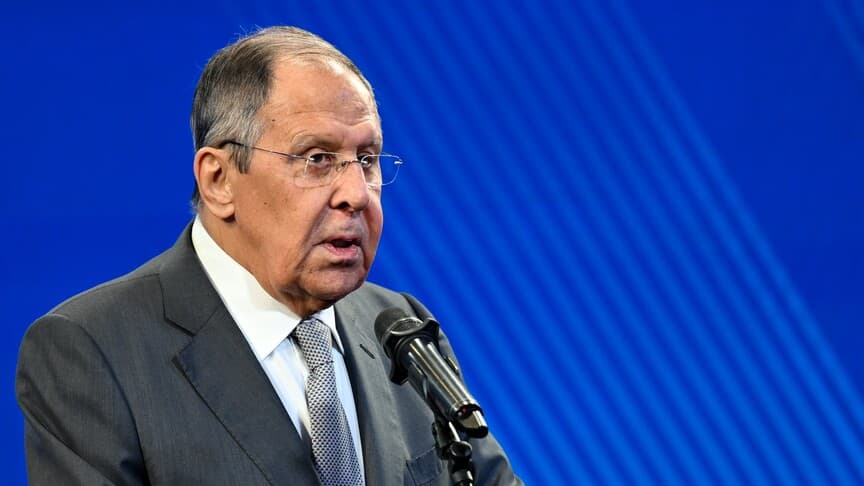
For the first two days the prime minister remained silent. Then at 8:03 a.m. on Thursday he appeared in a video recorded in the fire-damaged building of the College of Europe near his office, saying that the opposition was behind the events, 'hiding behind masks'. Later, in a comment to Reuters, he ruled out his resignation, saying that governments change through elections, and the next day he blamed 'foreign hands' for seeking to hinder Albania's EU accession. The leader of the opposition Democratic Party, 82-year-old former prime minister Sali Berisha, rejected the accusations: 'We have no idea whether it's Greece, Iran, Serbia or someone else,' he said, mocking the interference thesis, and pledged support for the protest until the end, demanding immediate resignation.
EU accession context and assessments
The unrest coincided with a critical moment for Albania's EU membership bid: Brussels called for calm, restraint and dialogue. Rigels Gjemollari of the civil organization Qendresa Qytetare named the prime minister's four-month silence and mockery of demonstrators, as well as the economic situation, corruption cases and scandals, as the cause of the uprising. Some protesters are also unhappy with the opposition: 20-year-old journalism student Skerdi Topalli said he wants the departure of 'the political class of the last 35 years'. Political scientist Mark Marku sees the protests as a generational reaction but warns that even Rama's resignation and new elections do not guarantee a change of elite: 'A platform is needed, a political alternative. You cannot vote for a protest.' Gjemollari considers the prime minister's resignation the only solution and proposes that the president convene the parties to form a interim government headed by a non-partisan prime minister ahead of the local and parliamentary elections in May 2027.