The key facts
- Joaquim Letria died at the age of 82; according to a source, he was weakened, but no serious illness was diagnosed.
- He founded the weeklies O Jornal and Tal & Qual, worked for AP, DPA and the BBC, and was president of the Journalists' Union.
- Culture Minister Margarida Balseiro Lopes called him one of the most prominent figures in Portuguese journalism after the 25 April Revolution.
Death and state of health
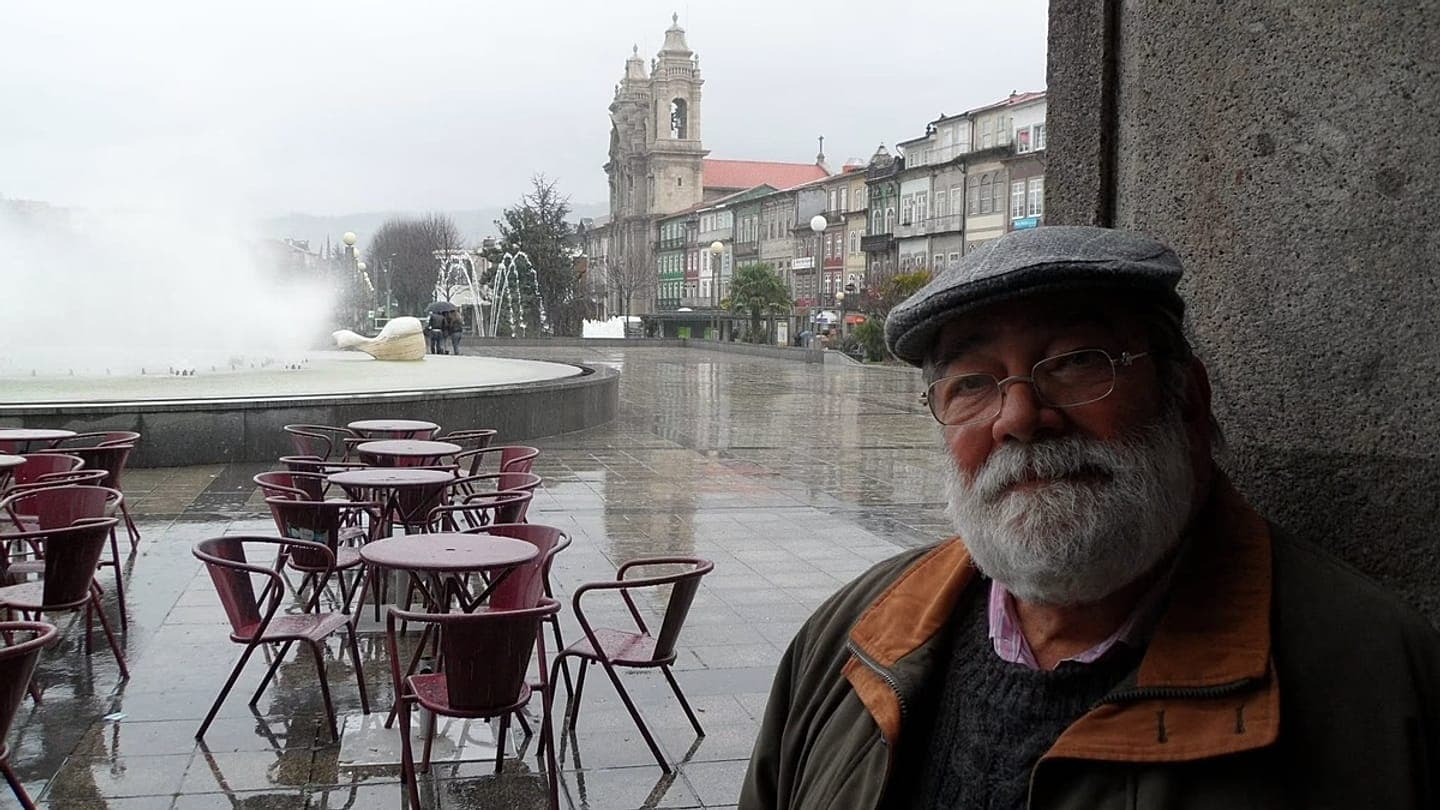
Portuguese journalist and writer Joaquim Letria died on Friday at the age of 82. His death was reported by the newspaper Observador, citing a source close to the family. According to the same source, as relayed to the Lusa agency, in recent months Letria had been severely weakened, but no serious illness had been diagnosed, which was also confirmed by relatives.
Career in journalism
Letria was born in Lisbon in 1943 and is considered one of the key figures of Portuguese journalism. He began his career in 1963 at the newspaper Diário de Lisboa, then worked for The Associated Press agency, and until 1970 was a correspondent for Deutsche-Presse Agentur; he also collaborated with the BBC in London. Letria was one of the founders of the weeklies O Jornal and Tal & Qual, after the 25 April Revolution served as deputy director of news programmes for irregular broadcasting at RTP, and was elected chairman of the Journalists' Union.
Television, books and teaching
Letria was the author and host of a number of radio and television programmes, and in 1974 he received the Press Prize in the 'Television' category. As a writer he was known for specialised books on journalism and for the novel 'A Verdade Confiscada', published in 1998. For more than 20 years he taught at the Higher School of Journalism in Porto, the Independent University, the Autonomous University of Lisbon and the Institute of Higher Sciences of Information and Management (ISCIA) in Aveiro.
Political activity and reactions
Letria was a member of the Portuguese Communist Party until 1968, and then, until 1986, served as press secretary to the then President of Portugal Ramalho Eanes. Minister of Culture, Youth and Sport Margarida Balseiro Lopes expressed sorrow over the journalist's death, calling him 'one of the most prominent figures of Portuguese journalism in the period after 25 April'.