The key facts
- EU–Turkey meeting scheduled for October at the request of UN Secretary-General Guterres
- Christodoulides: progress in EU–Turkey relations depends on resuming Cyprus talks
- UN envoy to visit Cyprus in late October; EU received written replies from Turkey on COP31
EU–Turkey Summit in October
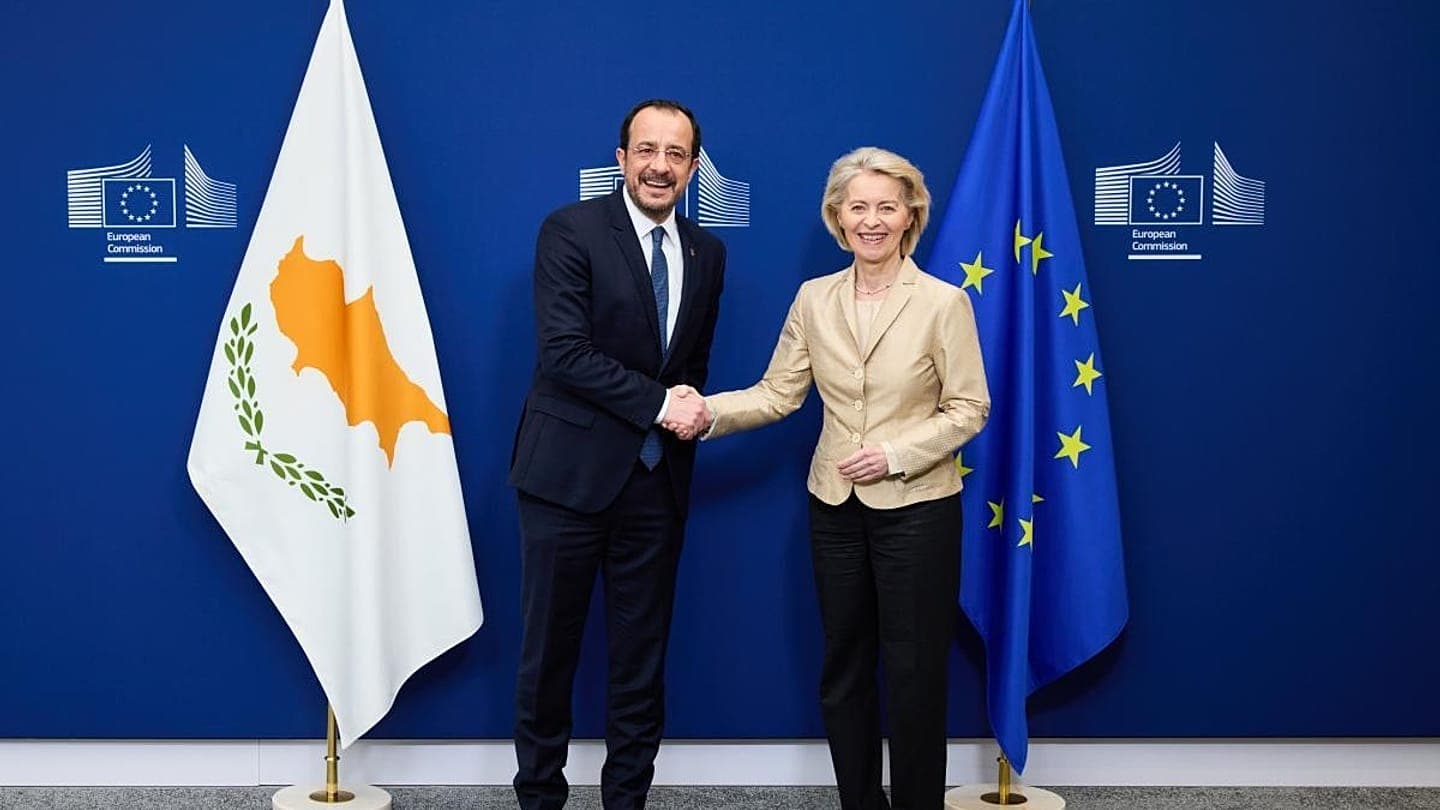
Cyprus President Nikos Christodoulides told journalists that a high-level meeting between the EU and Turkey is expected in October, dedicated to resuming talks on the Cyprus issue and the future of EU–Turkey relations. According to him, he learned of the plans after recent discussions in New York with UN Secretary-General António Guterres and Guterres' talks with EU leaders. The meeting is being organized at the request of the UN Secretary-General and is meant to help create conditions for resuming the Cyprus talks. “I am pleased, I repeat, because from the briefing I received yesterday from the heads of the institutions, such a meeting will take place in October at the request of the UN Secretary-General himself, so that we can see how conditions are being created for the resumption of talks,” the president said.
Condition for Progress with Turkey
Christodoulides stressed that any progress in EU–Turkey relations depends on the resumption of talks on Cyprus based on the agreed framework. He also mentioned the expected visit of the UN Secretary-General's personal envoy to Cyprus in late October and said these events could help create conditions for progress. “Our clear political will is a given, and I repeat that the EU can play a leading role,” he noted. The president recalled that his administration had from the very beginning prioritized greater EU involvement in efforts to resume talks, and welcomed the appointment of a senior European Commission official, calling it a reflection of the EU's approach to the Cyprus issue.
Contacts on COP31
Answering a question about the European Council's conclusions on the UN climate conference COP31, Christodoulides said the topic was discussed on Thursday and that he had informed his European colleagues about the latest developments. According to him, after the statement by the Turkish Cypriot leader, the EU, on behalf of the 27 member states, contacted the Turkish government and received written replies. “If these replies are implemented in practice, then we will be satisfied,” he added, noting that Cyprus is prepared for any development.
Migration
On migration, Christodoulides warned that disagreements between member states could send citizens the wrong signal: “Conflict is definitely not the most appropriate or best signal we can send to European citizens, especially on an issue that, as we know, concerns all member states.” Despite the difficulties, he pointed to progress: a 90% drop in arrivals to Cyprus and a 180% increase in returns compared to 2022. He proposed focusing discussions on identifying gaps and additional measures, including a possible EU mechanism to respond to the use of migrants as a tool of political pressure.
Energy and ETS2
Christodoulides described Thursday's discussions on energy costs and rising prices as extensive, noting that some states that initially did not support the proposals of the Mediterranean and Central European countries, as well as the Balkan B4 group, have now recognized the need to adopt them. He welcomed the agreed wording in the European Council's conclusions on the second emissions trading system (ETS2): “In its current form, as agreed last night, the wording satisfies us.” According to him, the European Commission appears to recognize the need for a further delay in implementing the system, which could become an additional burden for households and businesses already facing high energy prices. He also stressed that it is unclear when the energy crisis will end.
EU Budget Negotiations
Commenting on the negotiations on the EU's multiannual financial framework (MFF), Christodoulides called the Irish presidency's position difficult, noting that the Cypriot presidency had earlier secured agreement on key aspects of the budget. According to him, the matter is now in the hands of the European Council president, and discussions will likely focus on more concrete proposals for new EU own resources. The goal is to avoid further cuts to the EU budget or, if unavoidable, to keep them to a minimum. Asked about the reaction of some countries to the proposals for new revenue sources, he replied that individual states had expressed reservations due to national priorities, but some ideas were received positively.