The key facts
- Zelensky asked the EU for an additional €70 billion for 2027; the Commission was tasked with working out options, but von der Leyen said the EU would not cover the sum alone
- Zelensky asked the EU for an additional €70 billion for 2027; the European Commission was tasked with working out options, but von der Leyen stated that the EU would not cover the amount alone
- The EU confirmed: sanctions against Russia will remain until the war ends; work is under way on the 22nd package
- Denmark, Italy and Poland pushed for mention of 'pull factors' — an implicit criticism of Spain's legalisation of ~600,000 migrants; the lengthy draft was rejected and a shortened text was adopted
- Denmark, Italy and Poland pushed for mention of 'pull factors' — an implicit criticism of Spain's legalization of ~600,000 migrants; the lengthy draft was rejected and a shortened text was adopted
Summit outcomes: no budget deal, a new shortfall for Ukraine
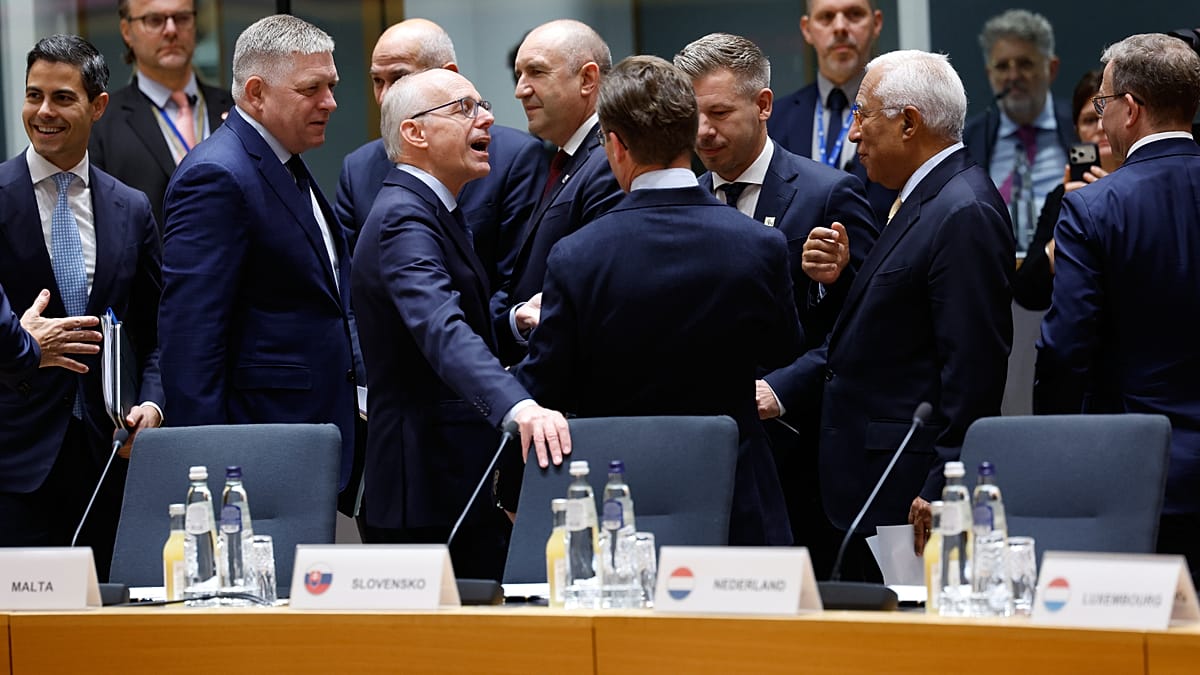
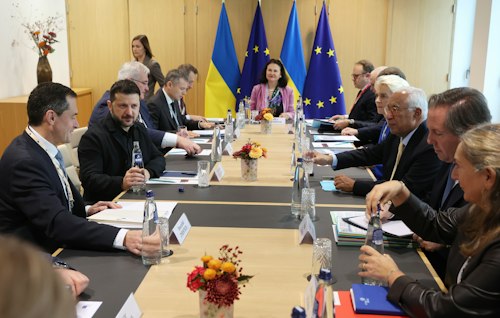
The two-day EU summit in Brussels ended without an agreement on the long-term budget, with a new €70 billion funding shortfall for Ukraine, open disagreements on energy and migration, but with the determination to create new trade defence instruments against China, Euronews reports. The agenda included the long-term budget, financial support for Kyiv, migration, energy and China. The second day's session ran longer than usual: Euronews reporters saw the leaders of Malta, Latvia, Ireland, Germany and Lithuania, as well as the EU High Representative Kaja Kallas, leave the summit early.
Zelensky requested €70 billion in additional support
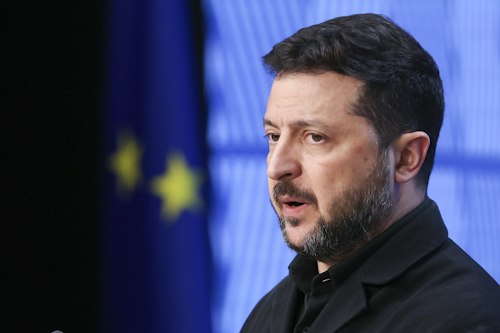
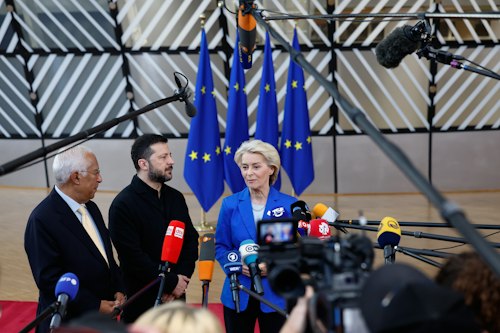
Ukrainian President Volodymyr Zelensky told EU leaders that the war would cost €155 billion next year and asked for at least €70 billion additionally — for defence, weapons and resilience. According to him, these funds would go toward drone production against Russia's offensives, supply chains and the war economy: 'We could produce two to three times more drones, but we simply don't have enough money.' He called for investment in Ukrainian factories and joint production of drones and other weapons. The leaders tasked the European Commission with presenting options for closing the shortfall, which will arise on top of the €90 billion loan for Kyiv's needs in 2026–2027. European Commission President Ursula von der Leyen backed Zelensky's assessment, admitting that it was 'hard to predict' the cost of the war when the €90 billion loan was agreed, because Moscow has intensified strikes on the Ukrainian economy. At the same time, she stressed that the EU will not cover the €70 billion alone — part of the sum, not yet determined, must be covered by other Western allies.
The EU assured Zelensky of keeping sanctions amid the rift with Trump
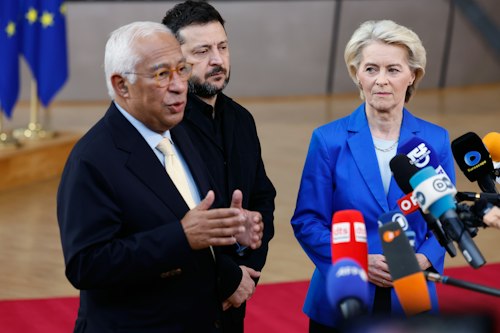
Von der Leyen and European Council President António Costa assured Zelensky that sanctions against Russia will remain until the war ends. 'We are now working on the 22nd sanctions package. And one thing is absolutely clear: we will not lift any sanctions until Russia ends the war,' the European Commission President said. Costa added: 'Now is not the time to abandon support for Ukraine. Now is not the time to weaken sanctions against Russia.' The statements came a week after US President Donald Trump, following a conversation with Vladimir Putin, unilaterally lifted sanctions on Russian oil exports and agreed to buy diesel from the Kremlin; according to DW, an American official also said that easing sanctions against Russia's 'shadow fleet' was being considered. Zelensky said the diesel deal and the lifting of sanctions came as a surprise to Kyiv, and predicted a limited effect of the deal on lowering prices. He also said he sees no signals from Russia of readiness to end the war, so Ukraine is preparing for winter, and pledged to continue the campaign against the Russian oil industry without restrictions.
Exchange of blows between Trump and Zelensky
Trump called Kyiv's strategy of strikes on Russian oil refineries a 'shame', blamed Ukraine for rising world oil prices, and demanded new elections in Ukraine as well as Zelensky's replacement. 'Zelensky is harder for me to deal with than Putin,' Trump said on Newsmax. Zelensky replied at a press conference: 'I am defending the interests of Ukraine and the Ukrainian people. We were attacked, occupied, our people were killed. It is logical that we have the right to defend ourselves.' According to DW, Trump justified calls for Zelensky's removal by claiming that he allegedly does not want to stop the war started by Russia on 24 February 2022, and sought to redirect discontent over high fuel prices caused, according to Zelensky, by Trump's war against Iran and the closure of the Strait of Hormuz. When journalists asked whether Trump was portraying him as the culprit of America's problems, Zelensky merely smiled and stayed silent: 'That is my answer.' Earlier, Kyiv reported restrictions on access to the military satellite system Starshield; Trump said that neither he nor Elon Musk bears responsibility for this, while Musk blamed the US government. Macron said that Europe is helping Ukraine with satellite intelligence and early warning systems.
Migration: a 'bad discussion' and implicit criticism of Spain
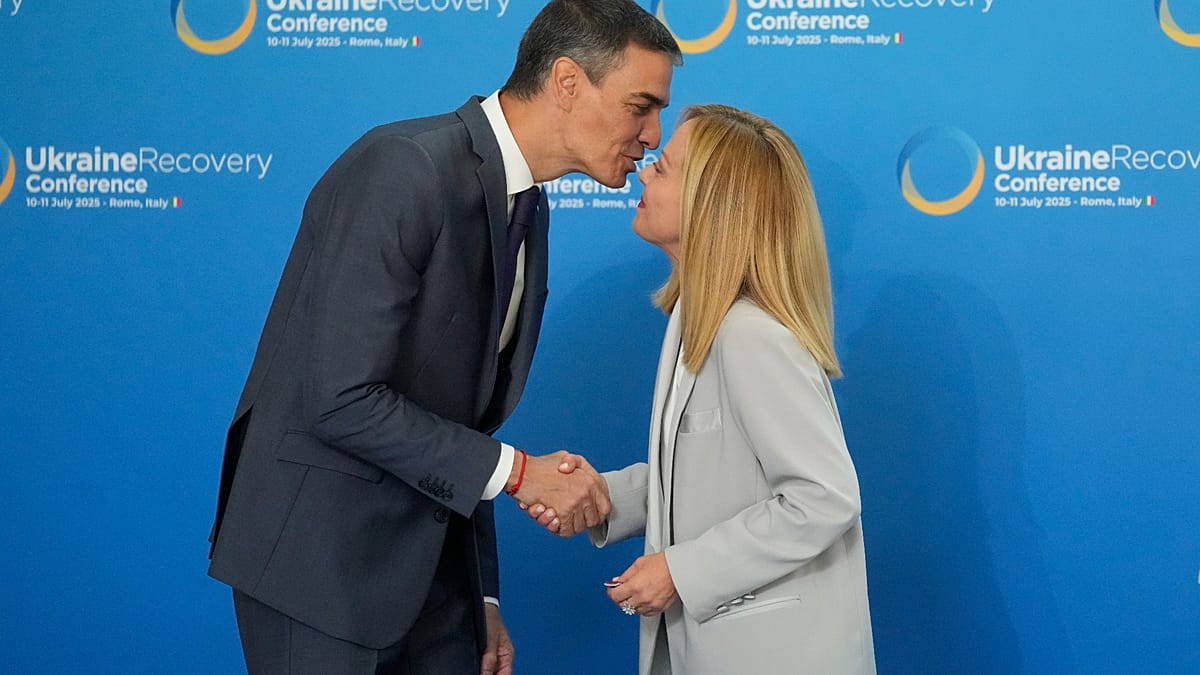
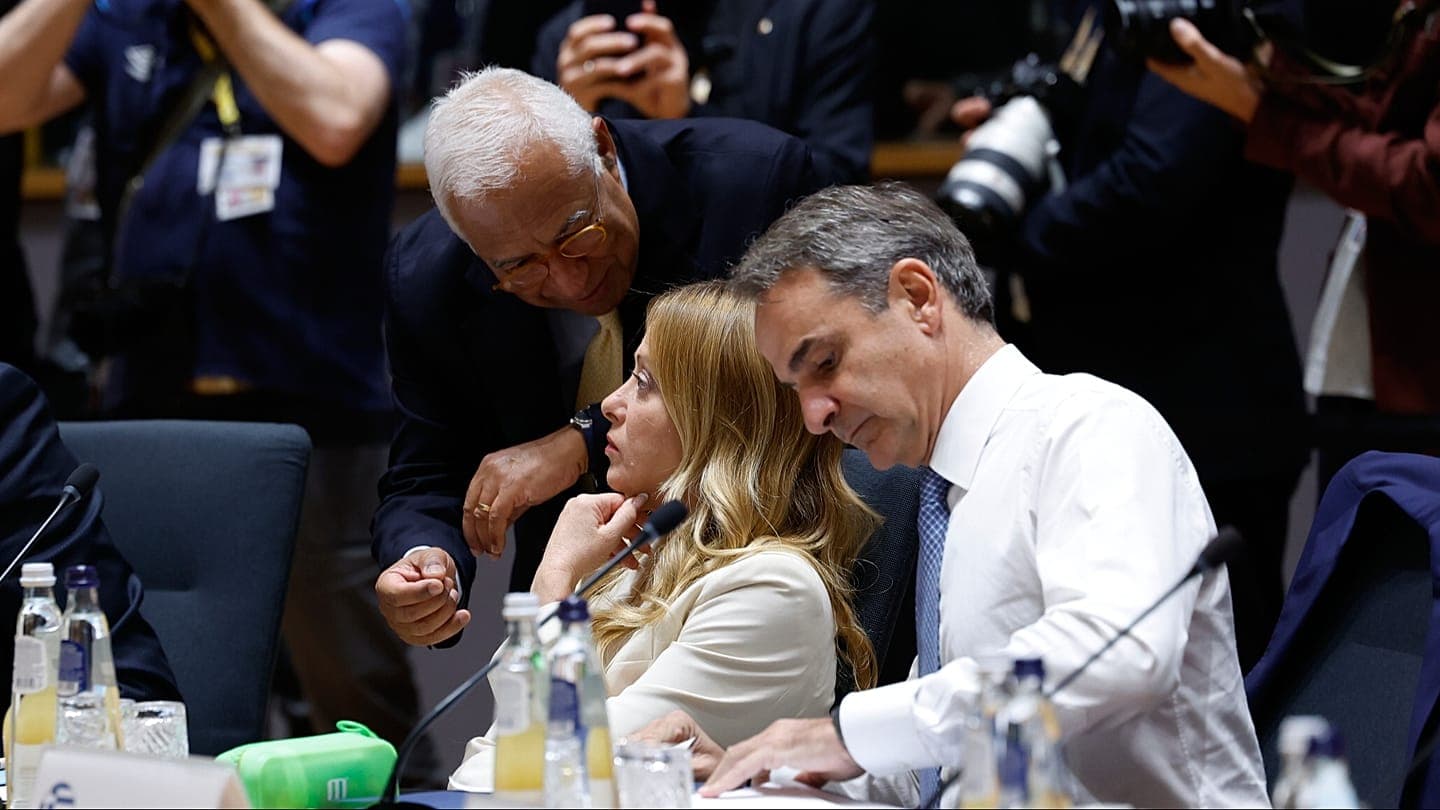
The migration discussion dragged on: Denmark, Italy and Poland pushed amendments to the summit conclusions, including a call to 'reduce pull factors and eliminate incentives for irregular movement to Europe' and a mandate for the Commission to encourage coordination of national migration policies capable of affecting other countries. The amendments implicitly criticised Spain's plan to legalise around 600,000 irregular migrants, which a number of leaders had previously warned could attract new migrants. A working draft obtained by Euronews called for avoiding 'measures that may create incentives for illegal migration', but in the end the lengthy text was rejected and a shorter version was adopted. Czech Prime Minister Andrej Babiš accused Spanish Prime Minister Pedro Sánchez of 'replacing' his country's population with migrants in order to stay in power, and suggested that the Czech Republic 'will have to defend its border against migrants from Western countries'. Swedish Prime Minister Ulf Kristersson spoke of the 'instrumentalisation of migration flows' and the need for a crisis mechanism in asylum policy; von der Leyen announced preparations for a protocol for crises like Ceuta. French President Emmanuel Macron called the discussion 'bad': 'When we politicise this debate, we create divisions. And when we are divided and return to national solutions, we are ineffective.' He called the crisis in Ceuta a 'humanitarian tragedy', recalled that France did not sign the letter from 22 EU countries, and stated that 'Spain was subjected to a hybrid attack'.
Budget, trade defence and other decisions
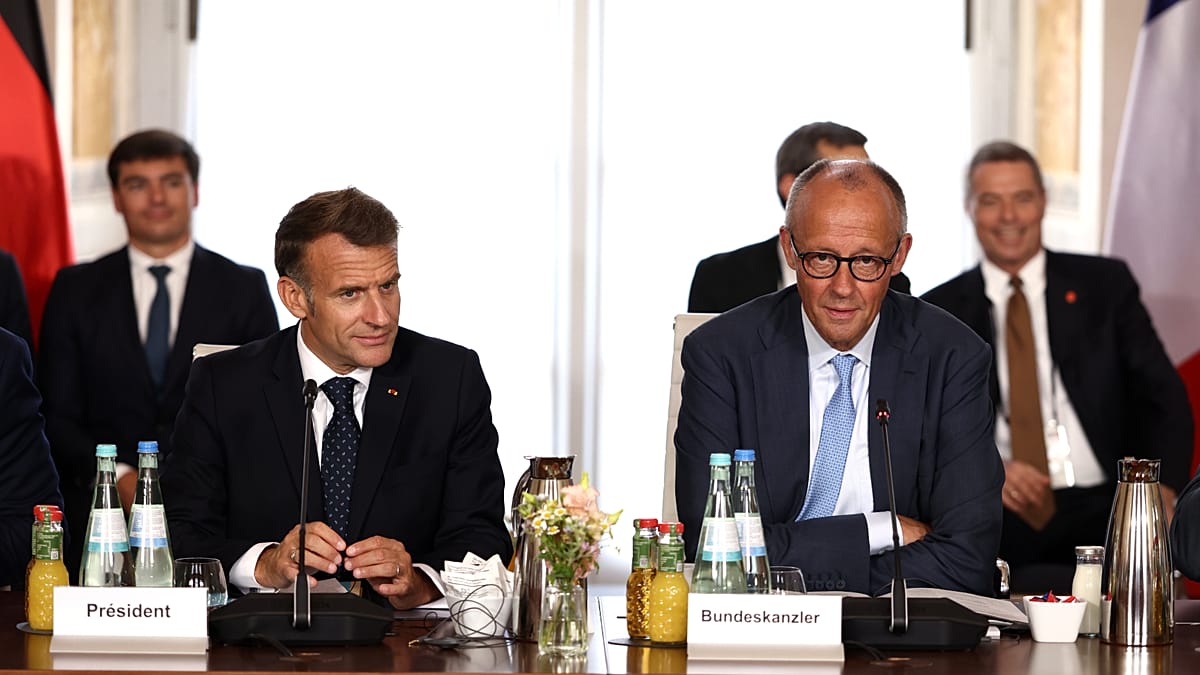
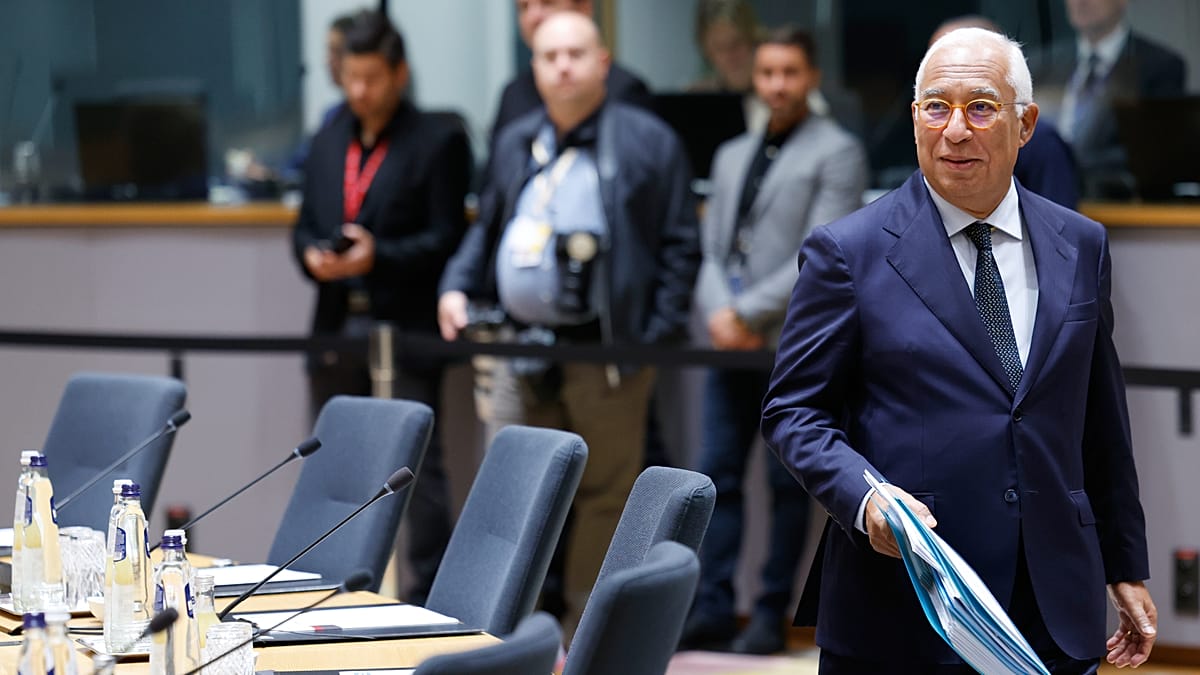
Swedish Prime Minister Kristersson said the country will not accept an increase in its national contribution to the EU budget of roughly 60%: 'Sweden is not an ATM for the EU budget,' noting deep disagreements in the budget negotiations. German Chancellor Friedrich Merz said the leaders gave the Commission a mandate to create a 'trade defence toolkit' against global imbalances, including the Franco-German proposal for a rapid-response instrument against macroeconomic market distortions, activated by a reverse qualified majority: 'Competition must be fair. We will create instruments against overcapacity, against high subsidies, against undervalued currencies.' Merz also said that the Franco-German agreement on the automotive industry and the Made In Europe rule will not become a template for other sectors, that 'the phase-out of internal combustion engines is now history', and that the European preferences clause is open to the UK and EFTA countries. He announced a second informal retreat of EU leaders at Bouchout Castle on 4 February 2027 on the topic of economic competitiveness. On the sidelines of the summit, Zelensky held his first bilateral meeting with Hungarian Prime Minister Péter Magyar, calling it 'very good'; Magyar said Budapest stands ready to contribute through diplomatic mean
Details
...toward achieving a ceasefire — a few days after Kyiv adopted a law responding to Budapest's long-standing concerns about the rights of the Hungarian minority in western Ukraine.