The key facts
- EU leaders called on the European Commission to adopt targeted temporary measures against the energy crisis, including support for the hardest-hit sectors
- The IEA warned on 14 October: the diesel market will be tight until 2027, with prices nearly double pre-crisis levels
- The EU approved a proposal to postpone methane monitoring rules for oil and gas importers — a decision criticised by environmentalists
Summit demanded a Europe-wide response
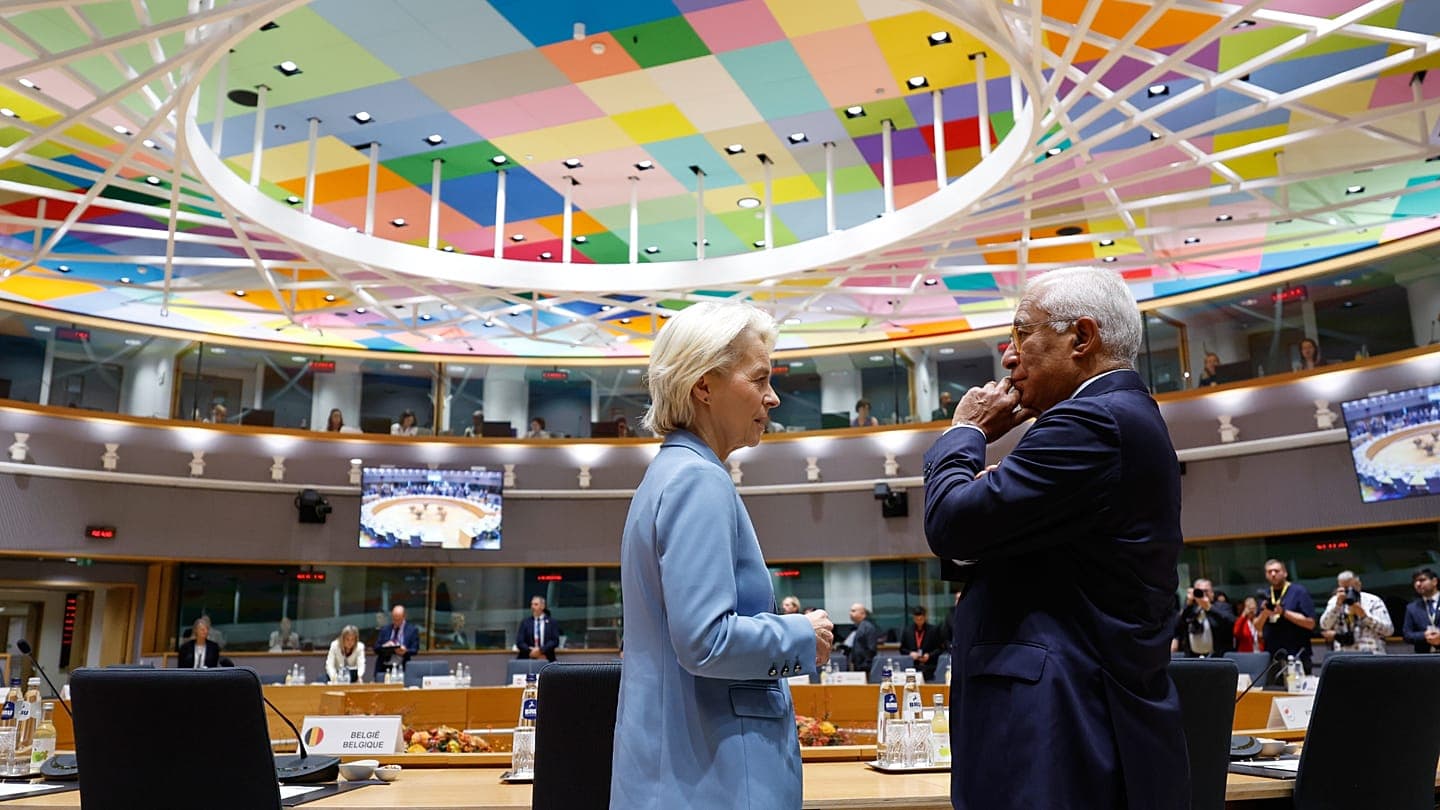
Following talks at the European Council summit that continued late into Thursday night, EU leaders called for a coordinated Europe-wide response to the energy crisis. They turned to the European Commission with a demand to develop targeted temporary measures easing the burden on households and companies, including expanding financial support for the sectors hit hardest by the surge in energy prices. The leaders also expressed concern about the security of energy supply and asked the Commission to boost the capacity and efficiency of European oil refineries, which have been in decline since 2009. In addition, they showed interest in a mechanism for voluntary joint purchases of energy resources — by analogy with the platform created to replace Russian gas after Moscow's invasion of Ukraine.
The crisis is squeezing industry and households
The calls came against the backdrop of a severe energy crisis threatening European industry and leaving millions of families at risk of energy poverty this winter. A number of EU capitals turned to the Commission for additional support: Italy and Greece recently urged Brussels to allow additional budget spending without violating fiscal rules, citing the extraordinary circumstances of the energy shock. Back in May, EU countries received permission from the Commission to provide direct financial aid to energy-intensive sectors — agriculture, heavy industry and road haulage — but as the crisis drags on, budget resources are running out.
IEA warning on diesel
The International Energy Agency warned on 14 October that the diesel fuel market is likely to remain tight at least until 2027, and wholesale diesel prices in Europe could rise again in the coming weeks. Prices have retreated from September records above $200 per barrel, but according to the IEA, key benchmarks 'still stand at almost twice the cost of crude oil and the levels recorded before the crisis.'
Positions of Mitsotakis and Orpo
Greek Prime Minister Kyriakos Mitsotakis called for a coordinated response at EU level rather than relying solely on national measures. 'The rise in energy costs has fuelled a new surge of inflation in Europe,' he said on Thursday, noting that Brussels should consider 'additional measures and greater flexibility' to help vulnerable households and businesses. At the same time, he warned that the talks would take time and he did not expect agreements 'today or tomorrow.' Finnish Prime Minister Petteri Orpo also spoke in favour of immediate action: 'We need short-term measures, because we must guarantee affordable prices for citizens and businesses.'
Financial risks and the geopolitical backdrop
The measures are intended to soften the economic consequences of the crisis, but at the same time they reveal the limits of EU governments' ability to shield their economies from geopolitical shocks. Desmond Lachman, senior investment strategist at State Street Investment Management, warned on 14 October that France and Belgium are gradually moving towards an unsustainable debt burden. The escalation of the conflict in the Middle East has again raised fears of disruptions to energy supplies and the operation of strategic maritime routes, above all the Strait of Hormuz; Ukraine's attacks on Russian refineries are further aggravating the fuel crisis. EU leaders warned that the Middle East crisis threatens a prolonged disruption of global supply chains — energy resources, fertilisers and food — which could turn 'targeted and temporary' measures into effectively open-ended ones. This also complicates negotiations on the next EU multiannual budget, which has been criticised by donor countries — Germany, the Netherlands and Sweden — for excessive ambition. The outcome of the talks will affect the goals of the energy transition, which the Commission considers the most effective way to strengthen strategic autonomy and lower energy prices in the long term.
Postponement of methane rules
EU leaders also approved the Commission's proposal to postpone the requirements for annual methane monitoring and reporting for oil and gas importers. The decision was criticised by environmentalists, who pointed out that potential revenues from such rules could amount to between roughly €5.3 billion and €13.6 billion at standard market pricing and rise even higher during supply crises. The proposal was the result of pressure from French President Emmanuel Macron, industry and the United States — the largest supplier of LNG to the EU. The document still has to be approved by the European Parliament.