The key facts
- Dr Stephen Brearey regrets that seven consultants did not contact the police sooner — police were only involved in May 2017
- The Thirlwall Inquiry identified 'toxic negativity' in the NHS and issued 17 recommendations, including cameras at all cots and restricted access to insulin
- Brearey is sceptical about the speed of cultural change in the NHS; former hospital executives are withholding comment while investigations are ongoing
The doctor who first raised the alarm speaks of his regret
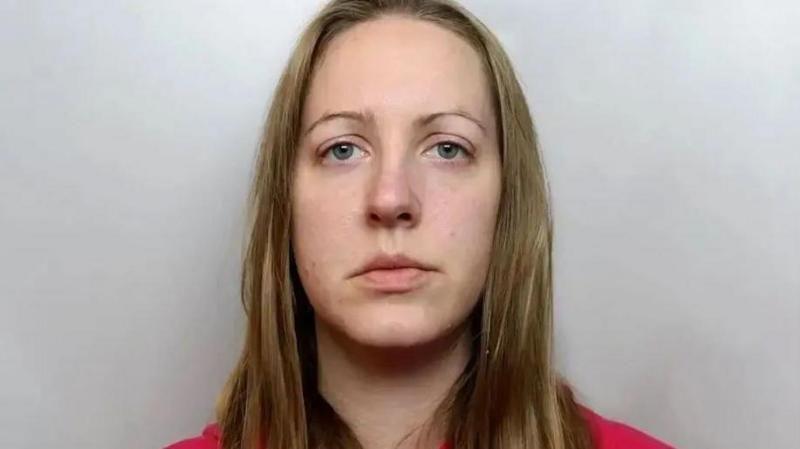
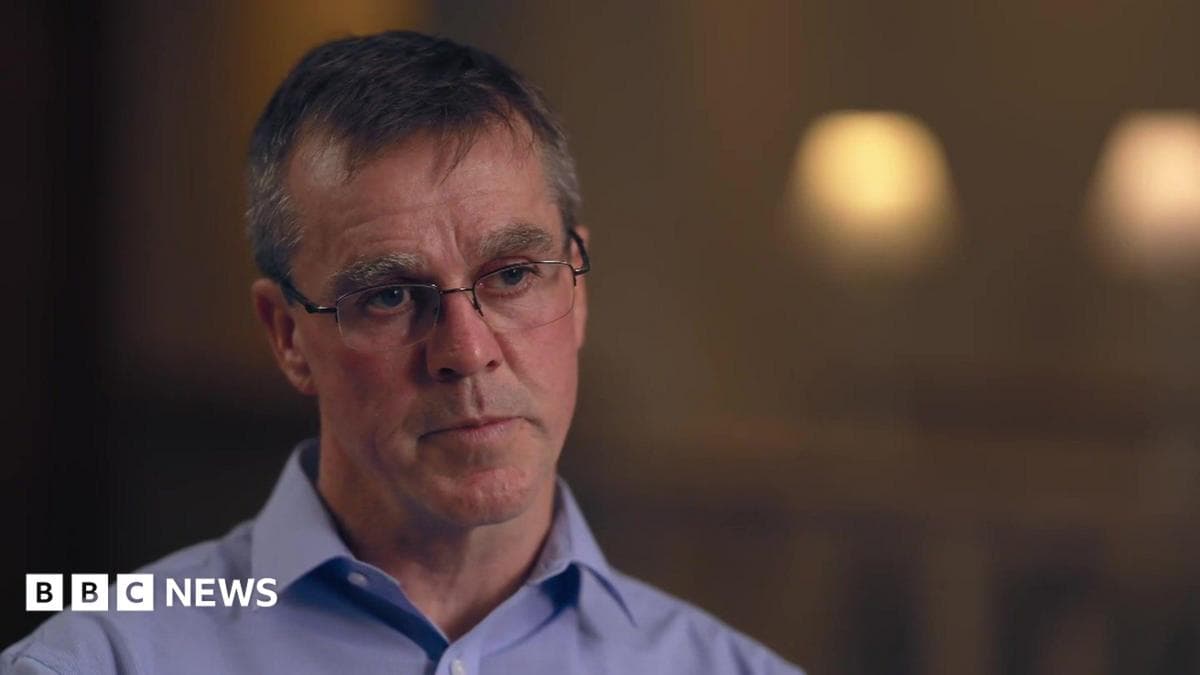
Dr Stephen Brearey, the former lead neonatal consultant at the Countess of Chester Hospital, said in his first interview since the publication of the Thirlwall Inquiry report that he and his colleagues should have contacted the police earlier about suspicions regarding nurse Lucy Letby. Letby was convicted of murdering seven babies and attempting to murder seven more. Brearey began linking Letby to unexplained deaths in 2015 and led a group of seven consultants who shared these concerns.
'Naive' faith in management
According to Brearey, he 'naively' assumed that senior managers shared his values and would respond to the warnings. Internal reviews of rising infant mortality were carried out in 2015–2016, but Cheshire Police were only brought in in May 2017. Letby remained an employee of the hospital until her arrest in July 2018 — more than a year after the police were contacted. Brearey noted that the investigation was initiated largely because 'the seven of us stuck together'.
Lack of staff support
After Letby's arrest, Brearey said, there was no psychological support for staff: 'the team cared for the team'. He compared the situation to a soldier with PTSD being sent back to a combat zone: neonatal unit staff continued coming to work and being re-traumatised, including while stabilising critically ill babies.
Inquiry recommendations
Lady Thirlwall issued 17 recommendations: CCTV cameras at all cots and incubators in neonatal units, restricted access to insulin, mandatory safeguarding training, a single NHS IT system and improved data handling. Brearey considers the measures 'very sensible' and believes they would have prevented the crimes or accelerated the alarm.
Scepticism about cultural change
The inquiry identified 'toxic negativity' in the NHS, which continues to deter staff from speaking up, and noted a lack of regulation. Brearey called it 'a sad indictment of an organisation' that manager contracts even need to spell out 'the undeniable duty to put patients first', and he is sceptical about the pace of change: 'cultural change takes time, and it will not happen overnight'.
Reaction of former executives and the hospital
Former hospital executives Tony Chambers, Ian Harvey and Alison Kelly, along with former HR director Sue Hodkinson, said they were reviewing the report and would not comment while investigations are ongoing and the work of the Criminal Cases Review Commission is not complete. The hospital trust expressed condolences to the families, acknowledging that 'no apologies can undo what happened', and stated that it is today a different organisation with new leadership and a more open culture.
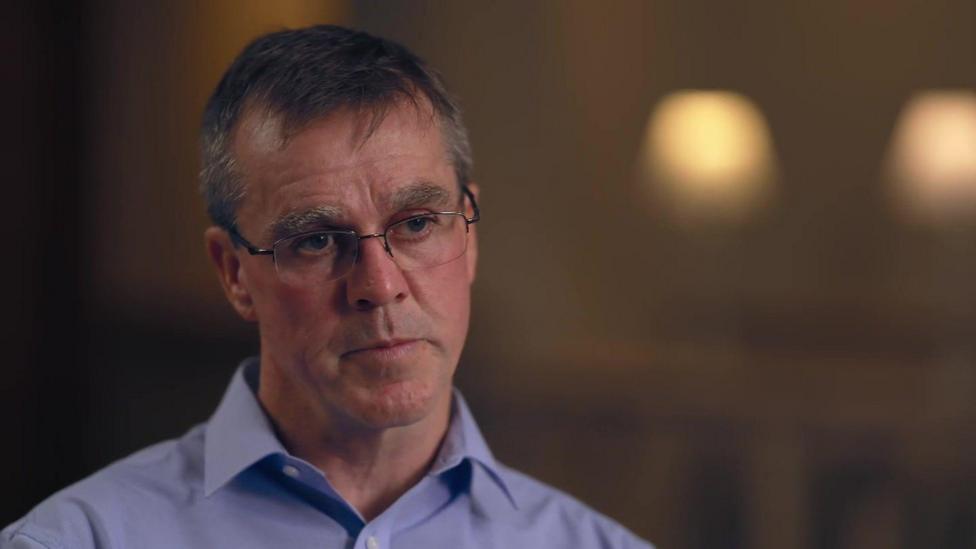
Dr Stephen Brearey said he began to associate Letby with unexplained deaths in 2015
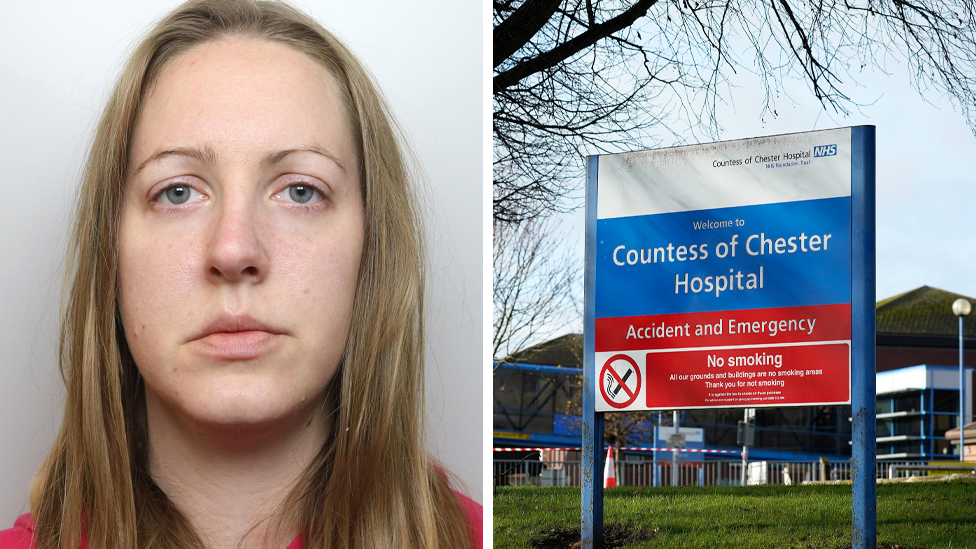 Image source, PA
Lucy Letby was convicted of the murders of seven babies and the attempted murder of seven others
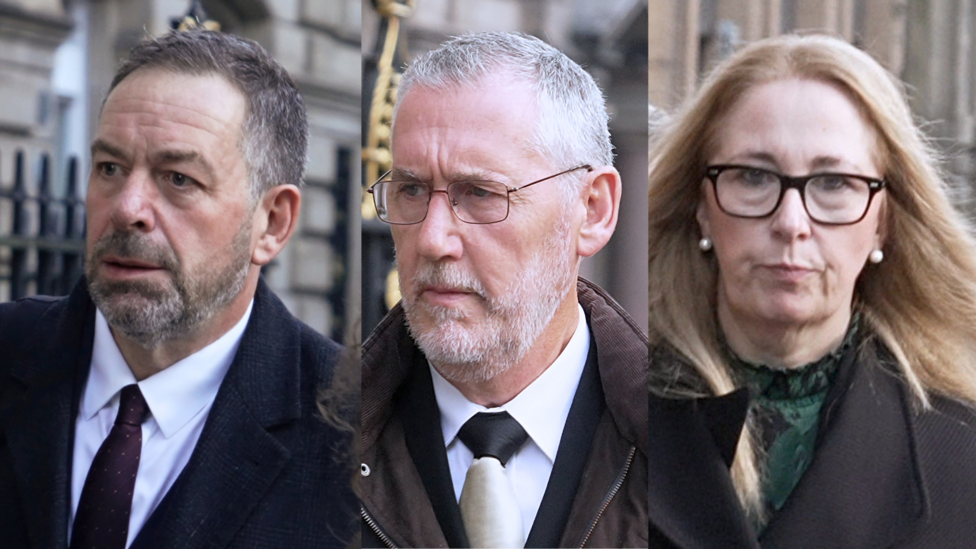
The Thirlwall Inquiry was critical of the actions of former hospital leaders Tony Chambers, Alison Kelly, and Ian Harvey