The key facts
- Kallas: Russia miscalculated by trying to negotiate only with the US; Europe needs unity, otherwise 'Russia's appetites will grow'
- Zelensky: the ban on strikes on refineries has been lifted; in September, 12 major refineries were hit, according to Ukraine's Defense Ministry
- Peskov doubted the parameters of the 'energy truce'; Moscow and Kyiv mutually accuse each other of violating it
Kallas: Russia needs to talk to Europe
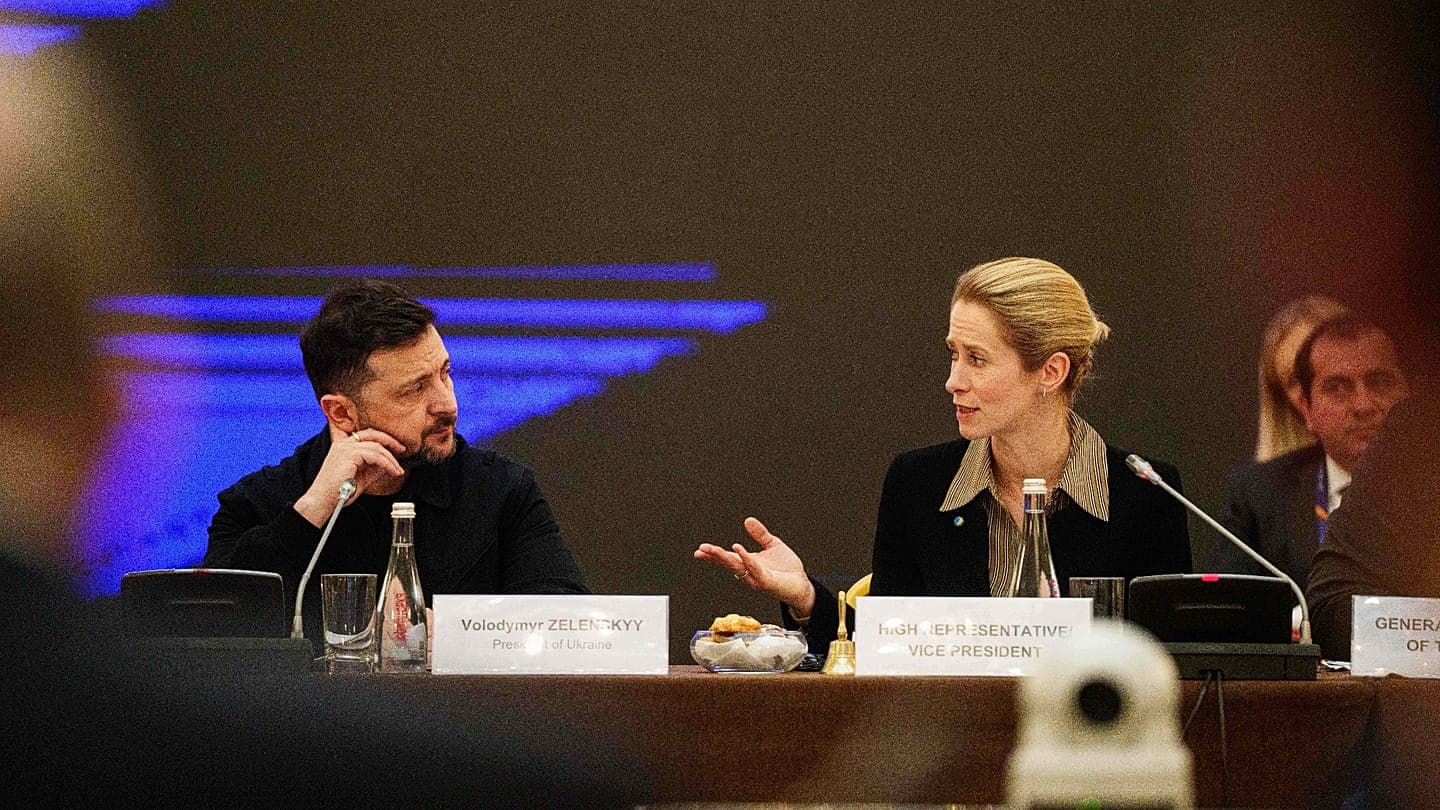
EU High Representative for Foreign Affairs and Security Policy Kaja Kallas said in an exclusive interview with Euronews that Russia miscalculated when, starting with last year's Anchorage summit, it tried to force Ukraine into capitulation through agreements with the US. 'The Russians want to discuss and negotiate with the US so that it is Washington that secures the outcome they want. But we have our own demands on Russia,' she said, adding: 'The message is: you need to talk to the Europeans.' According to her, Europe will continue to support Kyiv, which does not intend to capitulate.
The diesel deal and the 'energy truce'
Answering a question about the diesel fuel deal and the energy truce announced by US President Donald Trump, under which Russia will supply 300,000 tons of diesel to the US and global markets, Kallas called the scheme a 'gift' to Russian President Vladimir Putin. 'The question is what he got in return. We see that he is actually intensifying strikes on the civilian population and civilian infrastructure. The announced ceasefire in energy is not really working on the Russian side,' she stressed. Kallas insists that international pressure should be directed at Russia, not Ukraine, and that strikes on refineries will stop when the war ends: 'the bulk of the war's funding comes from oil.' In her view, strikes on refineries are a form of self-defense under international law. Asked about a series of elections in the EU, including the possible election of Marine Le Pen as president of France, Kallas acknowledged a shift in public sentiment over four years of war but stressed the need for a united front: 'the Europeans will get tired, and then they will get what they are seeking. And I want to emphasize: then their appetites will only grow.'
Zelensky: 'The ban is lifted. Enough is enough'
President of Ukraine Volodymyr Zelensky told the Financial Times that Kyiv will resume strikes on Russian refineries despite US pressure. 'The ban [on strikes on oil refineries] is lifted. Enough is enough,' he said on the eve of the EU summit. He accused Washington of suspending intelligence sharing and weakening the Starlink signal during massive Russian attacks: according to him, American officials warned of an end to intelligence sharing if the strikes did not stop, although the disruptions were explained as technical problems. 'It was not a technical problem, it was a will,' Zelensky said. According to The Washington Post, citing a source, US intelligence again warned the Ukrainian embassy that it would end intelligence sharing in the event of new strikes on energy facilities. Zelensky confirmed that strikes were suspended for three days at Washington's request, while Moscow continued attacking Ukrainian infrastructure; according to the Russian-language version of Euronews, more than a hundred civilians were killed in the strikes. In an interview with Piers Morgan, Zelensky said he felt betrayed over Trump's deal with Putin, the ceasefire announcement, and the Starlink problems, noting: 'we are losing a strong partner' in the US, while adding that he is fine with Trump's 'neutral position.' He also called the possible resumption of deliveries of additional interceptors for Patriot air defense systems a 'minimum.'
The scale of attacks on oil refining
According to Ukraine's Defense Ministry, 12 major refineries were hit in September alone. According to the International Energy Agency's estimate, by the end of August only five of Russia's 32 major refineries had not been attacked by Ukrainian drones, and some facilities have been attacked up to 15 times since 2022.
Strikes on Ryazan and Borisoglebsk
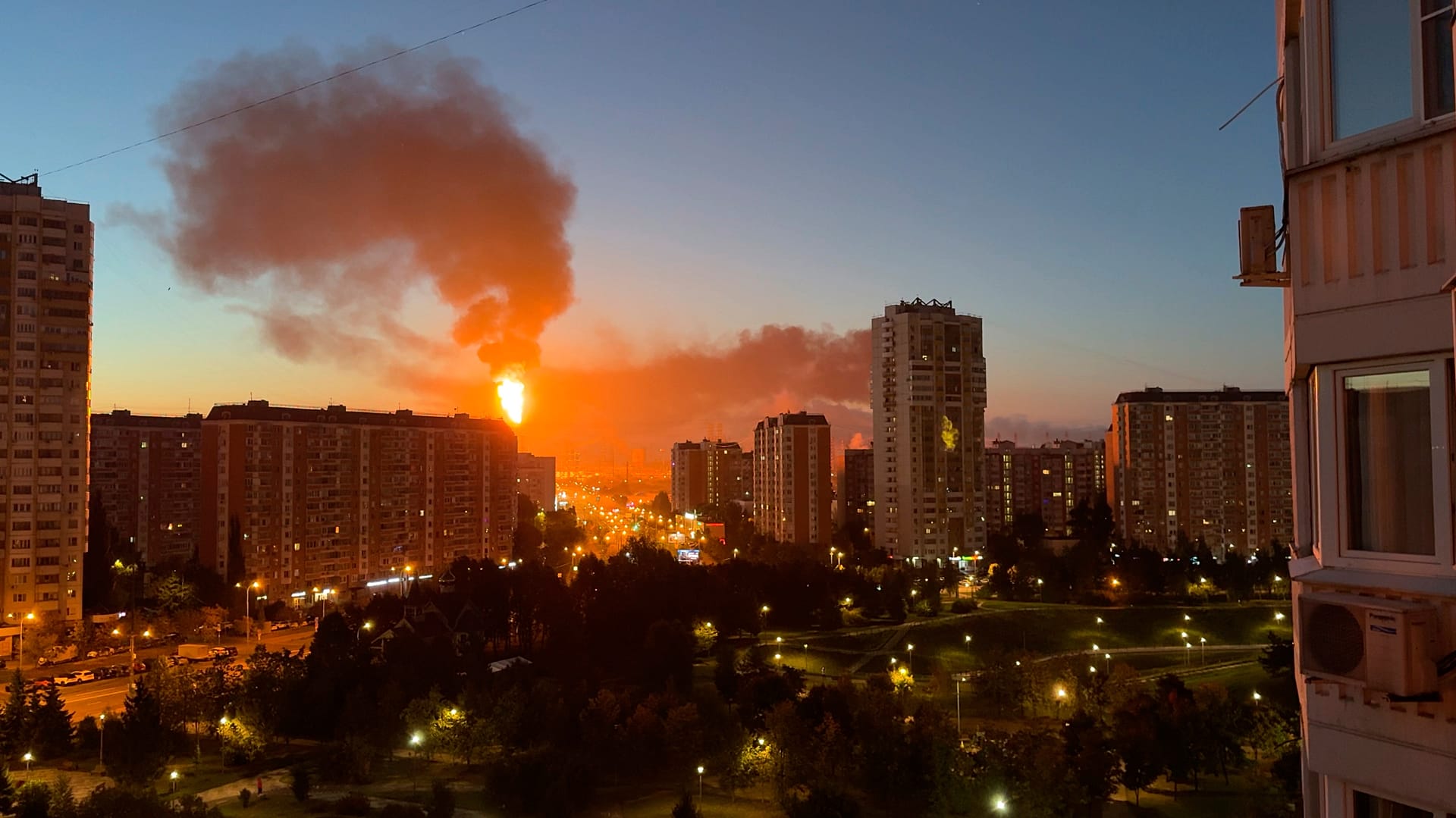
Ukrainian UAVs struck the Ryazan refinery, located about 300 km southeast of Moscow. Russia's Defense Ministry reported a fire after drone debris fell on the plant's territory; Ryazan governor Pavel Malkov said there were no casualties and spoke of a 'massive strike.' After the raid, 14 schools and 25 kindergartens were temporarily closed. Even before Zelensky's interview, Russian Deputy Prime Minister Alexander Novak stated that 'the Kyiv regime attacked two oil refineries — in the Saratov and Ryazan regions,' violating the truce; Zelensky's adviser Dmytro Lytvyn called this a 'fake,' claiming that the strikes targeted other facilities. The Ukrainian Armed Forces also attacked a military airfield in Borisoglebsk, Voronezh region; according to OSINT channels, with a Tomahawk missile. The Ukrainian Navy claimed the destruction of six Su-34M aircraft, but according to Zelensky, four Su-34s were destroyed and two damaged.
The Kremlin's position
Kremlin press secretary Dmitry Peskov responded to Trump's initiative on Wednesday with veiled irony, making it clear that the energy truce is effectively not in force: 'What exactly was announced? What are the defined parameters of the energy truce, what does it mean? Was it specified?' he said, adding that 'work in this direction continues.'