The key facts
- Dietitian Nicholla Ladlam-Rain: teenagers can get all the protein they need from food; powders are justified only for elite athletes and people with allergies.
- Paediatrician Ramnik Mathur: excess protein strains the kidneys and liver; a healthy 12-year-old does not need supplements.
- The NHS guideline for adults is 0.75 g of protein per kg of body weight per day; with intense training — up to 2 g/kg.
Son asks for protein, mum has doubts
BBC journalist Nat Wright tells the story of her 12-year-old son Ben, who has asked about 20 times for permission to try protein powder, insisting it will make him 'more toned and bigger' and citing his friends. Ben's friend Louis, also 12, has been having powder once or twice a week after workouts for almost a year, with his parents' knowledge, and believes it has given him more energy and helped him grow. Meanwhile 13-year-old Otis is sceptical about supplements and points to the pressure on young people: teenagers 'may start taking them without thinking about the consequences'.
A growing market and the role of social media
According to the BBC, in recent years there has been a sharp rise in products labelled 'high in protein' — from milk and yoghurt to bread, cereals, bars and powders. Social media is filled with supplement advertising. At the same time, protein is found in ordinary foods: meat, fish, eggs, dairy products, bread, grains and legumes.
How much protein is needed
According to the NHS, an adult of normal weight is advised to have about 0.75 g of protein per kg of body weight per day; with intense training and with age, the requirement rises — up to 2 g per kg. A guideline is a palm-sized portion of protein per meal. Experts advise spreading protein throughout the day, aiming for 20–25 g per meal. During puberty, the requirement does genuinely increase due to the growth of muscle and bone mass.
What the specialists say
Registered dietitian Nicholla Ladlam-Rain believes that teenagers of both sexes 'can get all the protein they need from food alone'. She cautions girls against excessive focus on protein at the expense of iron and calcium. In her words, protein shakes and bars can be useful for certain people — elite athletes and those with specific allergies — but should not replace healthy eating. Side effects are possible: bloating, gas, cramps, diarrhoea. People with chronic conditions must not take supplements without a doctor's approval. She also notes that the protein powder market is less strictly regulated than medicines: only some manufacturers undergo third-party testing. 'Ultimately, you can't just drink a shake and your biceps will grow,' she said. Some powders contain a lot of added sugar, artificial ingredients and hidden stimulants.
Risks of excess protein
Paediatrician Ramnik Mathur from West London explains that whole foods provide essential micronutrients — zinc, calcium, magnesium — which are lost if they are replaced by meals. Excess protein, he says, has to be processed by the kidneys and liver, which can overload them and lead to serious health consequences. 'If you look at social media, they'll tell you to eat lots of protein, but the body can only absorb a certain amount,' he noted. His main conclusion: 'If a 12-year-old child is eating a healthy balanced diet, they don't need extra protein.' Ladlam-Rain advises first improving a teenager's diet, and if they want to take powder, consulting a dietitian or nutritionist beforehand.
The verdict for the family
The author returns to her son with the answer 'no' — and, in her words, the experts share the same view. The BBC also mentions its recent pieces on rising prices of protein products and on how protein needs change with age.

Louis, Otis and Ben all have differing opinions on whether teens should use protein powder
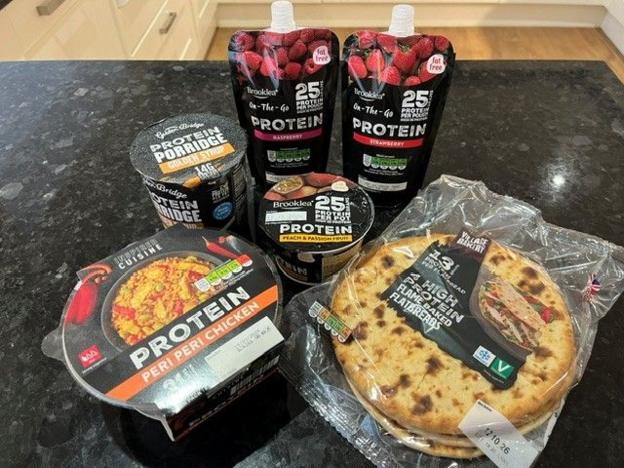
In recent years, there has been an explosion of products marketed as "high protein"...
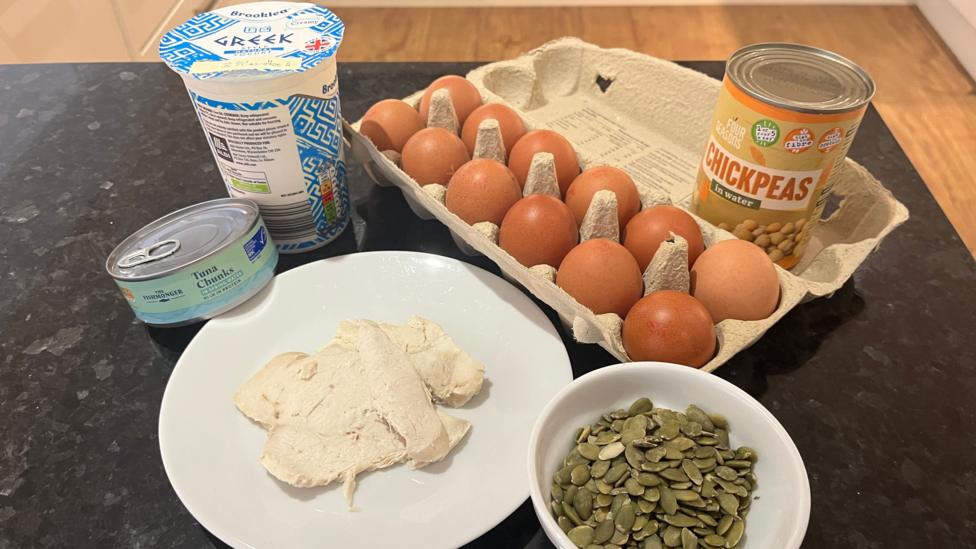
... however, protein is found in lots of everyday foods, including meat, fish, eggs, dairy, bread, grains and pulses