The key facts
- The number of groups opposing data centers more than doubled in the first months of 2026 — to 833 in nearly all states (Data Center Watch)
- Politicians from both parties are shifting positions: Arizona Governor Hobbs imposed a three-year pause on tax incentives, while Republican Husted in Ohio softened his support
- Trump called the protests a 'sick conspiracy'; the NRSC, in a closed memo, urged Republicans to rethink their rhetoric
Data centers — the new US political problem
The expansion of data centers — large warehouses of computing equipment that have become the physical embodiment of the artificial intelligence boom — has turned into a noticeable factor in the US midterm elections. According to Pew Research Center, there are about 3,000 data centers operating in the country, and their number could double in the coming years. As BBC reports, a year ago one Democratic senator paid no attention to the topic, but now regularly discusses it with his staff and is preparing legislation aimed at curbing construction. His adviser, who was not named, told BBC: 'It happens sometimes: something starts slowly and then accelerates.'
Scale and residents' concerns
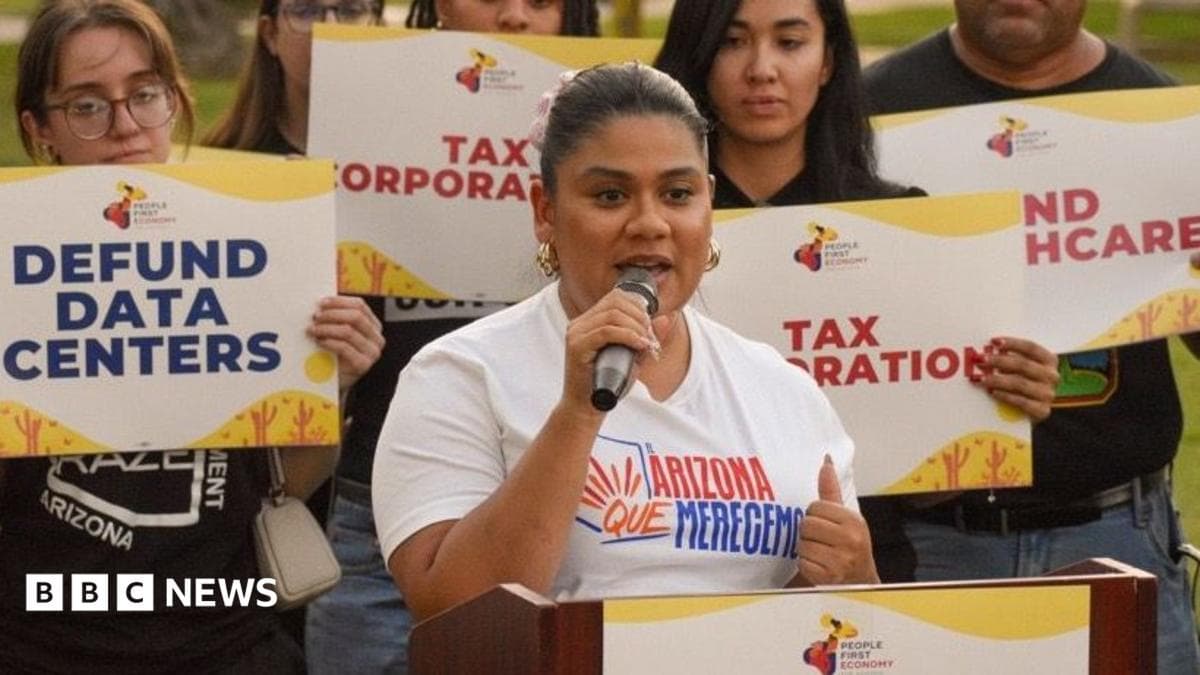
BBC spoke with residents of Indiana, Arizona, Michigan, Pennsylvania and Oregon who are organizing against construction. They are concerned about the size of the facilities, noise during construction and operation, the impact on air, water and energy resources, as well as the speed of approval by local authorities. Indiana resident Angelita Soriano, next to whose home Amazon is building a complex of 26 buildings covering more than a square mile with 782 diesel generators, said: 'I don't want to be a guinea pig.' In Ohio, OpenAI, Nvidia, SB Energy and the US Department of Energy are planning a complex of about six square miles. According to Data Center Watch (a project of the AI startup 10a Labs), in the first months of 2026 the number of protest groups more than doubled — to 833 in nearly all states. Stephanie Maldonado of the Arizona group LUCHA called the confrontation a 'David and Goliath story': 'Now people are angry.' New polls show that AI regulation and data centers rank among the top issues for voters after the war with Iran and the economy.
Politicians shift positions
Construction is regulated by local rules, but the opposition has proven so strong that politicians at all levels are forced to take a stance. AI policy adviser Chloe Autio noted that resistance is strong among conservatives as well, and whoever clearly defines their position will win. This puts many in Congress, including Republicans, in conflict with President Trump, who supports free AI growth: he called the protests a 'sick conspiracy' and opponents 'backward and poor.' Arizona Governor Katie Hobbs, who previously supported projects, in July introduced a three-year pause on new tax incentives for data centers. Democrat Abdul El-Sayed made regulation part of his successful primary campaign in Michigan. In Ohio, Republican Jon Husted softened his support, saying the decision should rest with local residents, while his rival Sherrod Brown, who leads in the polls, opposes new construction. The NRSC, in a closed memo, urged Republicans to completely change their rhetoric, calling the topic 'the sleeper issue of the entire election cycle.'
Texas and the jobs debate
Texas has nearly 300 operating data centers and another 170 in the pipeline (Pew data). Republican Governor Greg Abbott late last year called the state 'the epicenter of AI development,' but a few months later began speaking about 'safety and quality of life.' Democrat James Talarico, seeking to repeal 'incentive tax deals' with Big Tech, is considered the favorite for a historically Republican Senate seat against Attorney General Ken Paxton, who at the end of September said Texas has 'plenty of open space' for data centers. Supporters of construction usually cite job creation, but a Brookings Institution study showed: a new data center creates 100–200 local jobs — fewer than industry representatives claim — and has virtually no effect on local wages.
Temporary measures and local resistance
Many measures adopted are temporary: most moratoriums expire in one to three years, and by that time the political climate may change, leaving tech companies free to build. Balaji Thammabatula, head of Barupon, who is developing a complex of about 700 acres in Liberty, Texas, with rainwater harvesting and its own power supply, told BBC that the community opposes the project in principle: 'The level of tension is so high from the start that facts simply don't break through.' At a recent meeting with residents, he said, a woman told him: 'Get the hell out of my state.'
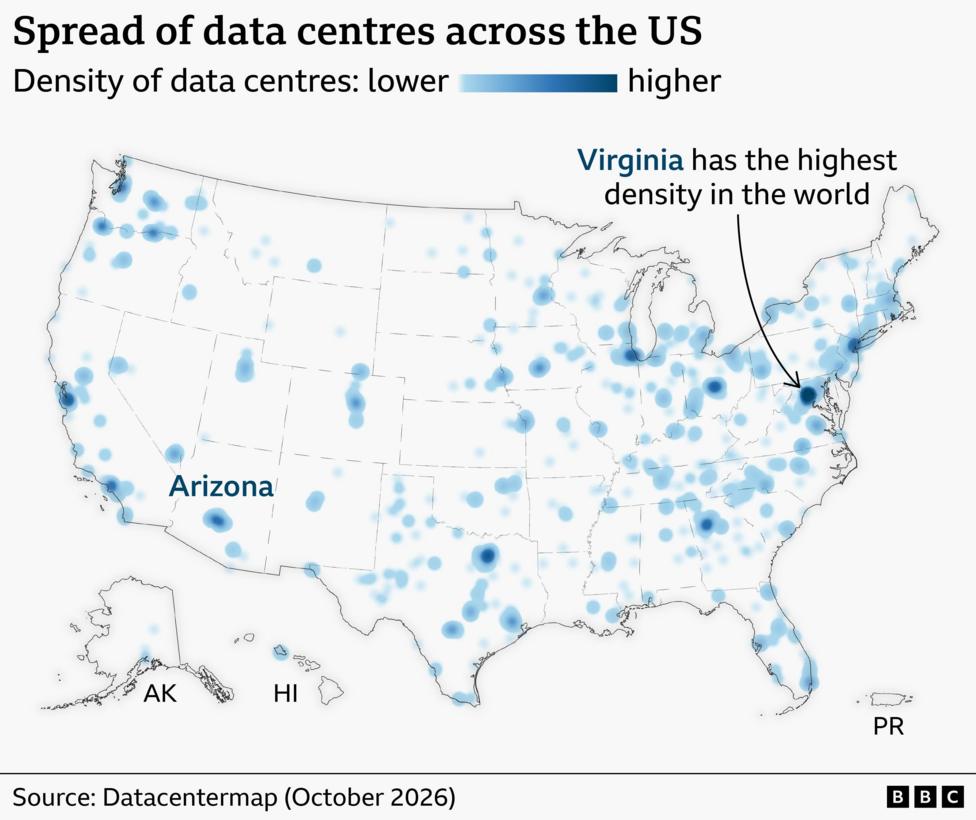
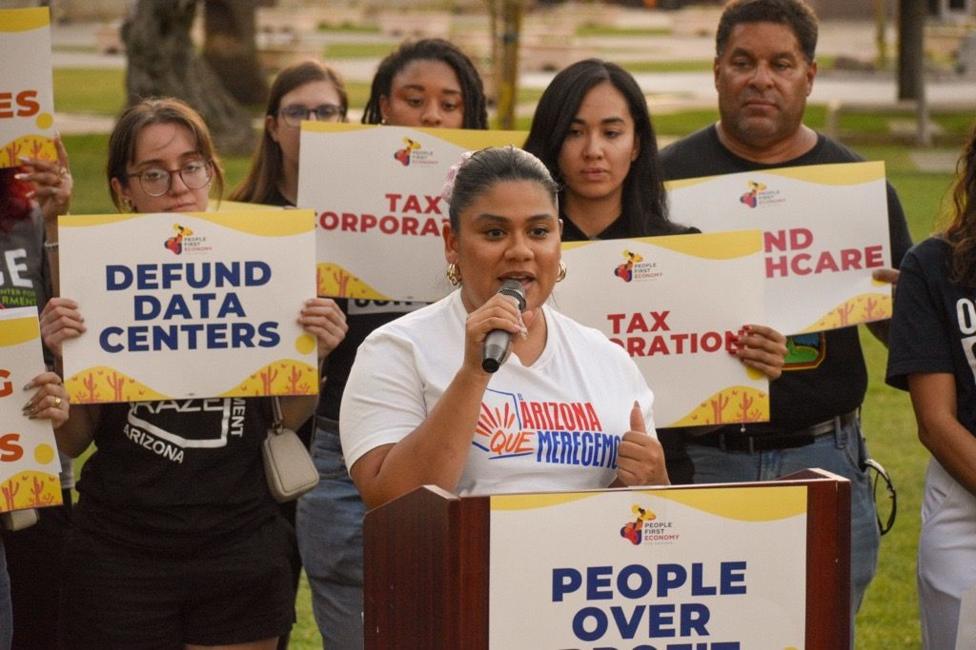 Image source, Stephanie Maldonado
LUCHA, a community organising group based in Arizona, has made stopping data centre development one of their key issues
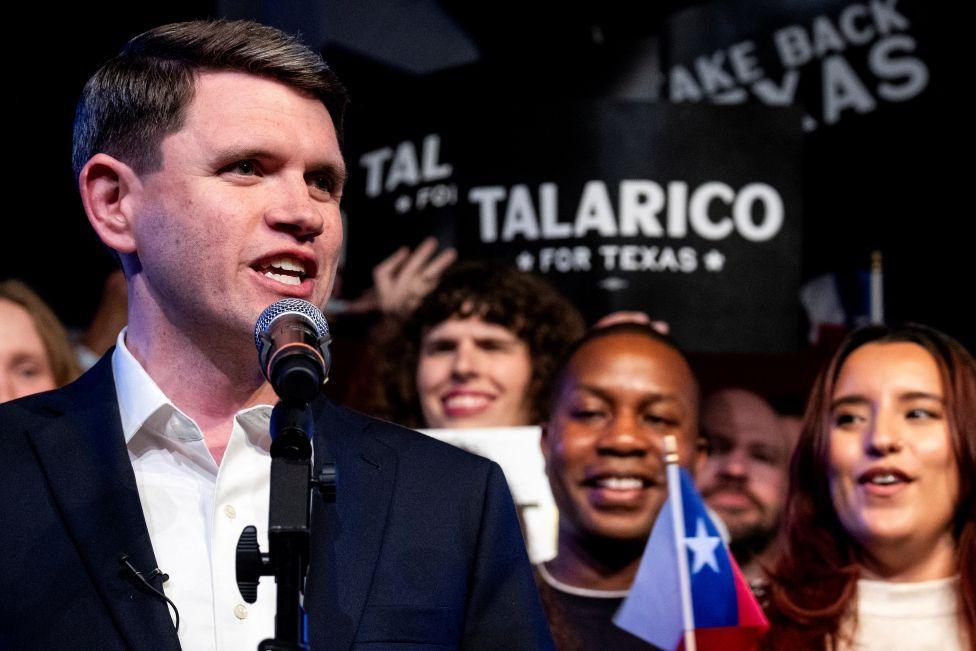 Image source, Reuters
Democrat James Talarico has made data centres a part of his campaign for Senate