The key facts
- Fifth consecutive day of clashes in central Tirana; protesters threw stones and Molotov cocktails, police responded with tear gas and water cannons, with rubber bullets reportedly used for the first time
- 80 people charged over the unrest, hundreds arrested or under investigation
- Prime Minister Edi Rama blames the opposition and 'foreign actors'; meanwhile the special prosecution is conducting investigations, and intelligence chief Vlora Hyseni has been arrested
Clashes in the Capital's Center
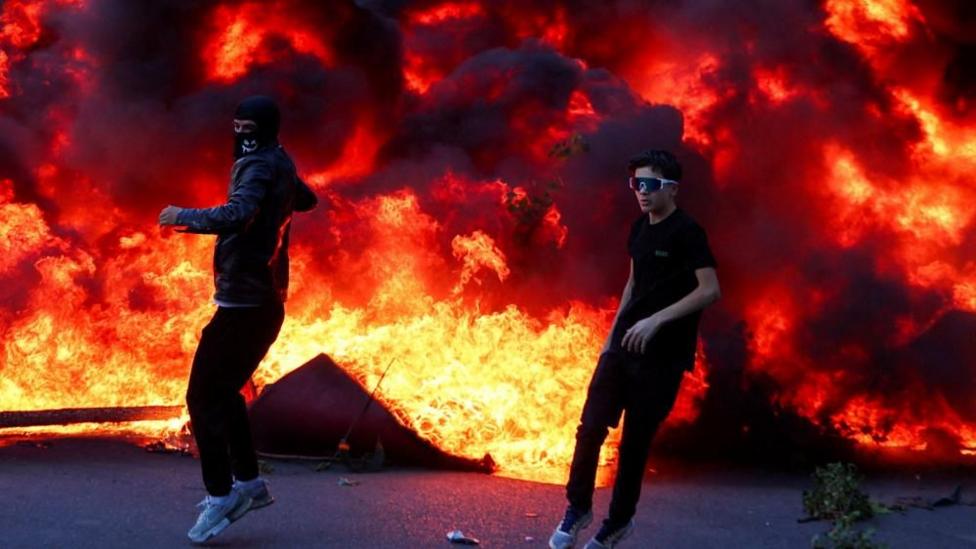
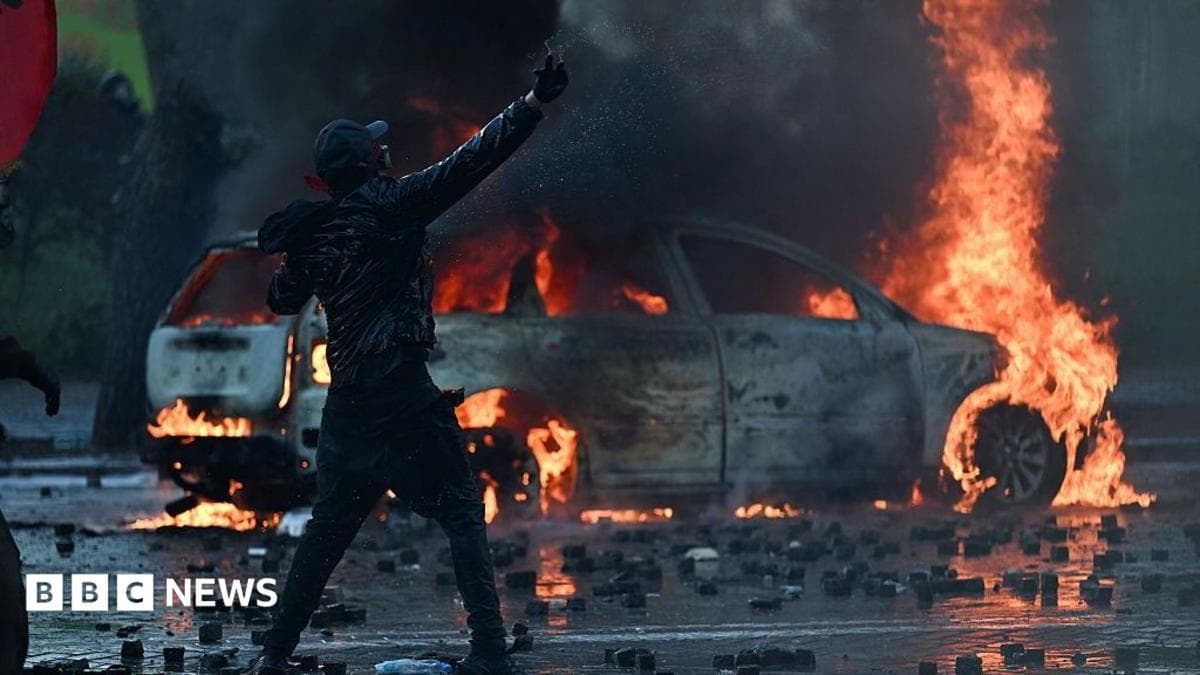
On Saturday, in central Tirana, demonstrators and police in protective gear engaged in fierce clashes for the fifth consecutive day. Masked protesters, many of them schoolchildren and students, threw stones and Molotov cocktails at police guarding the education ministry — one of the epicenters of the protests. Police responded with water cannons and volleys of tear gas; according to reports, a rubber bullet was used for the first time. During the day, the center of the protests shifted to the office of Prime Minister Edi Rama on the city's main boulevard, where significantly more people gathered than on previous days. Police came under continuous barrages of cobblestones and fireworks and responded with volleys of gas grenades, some of which flew deep into the crowd, causing panic. A car burned, smoke and the sirens of police and ambulances cut through the day; by evening, special units arrived as reinforcements.
Scale and Participants
Many were injured on both sides: 80 people have been charged with disturbing public order, and hundreds have been arrested or are under investigation. Central Tirana, littered with broken glass and charred debris, increasingly resembles a war zone. Volunteers handed out syringes with saline solution to demonstrators for rinsing their eyes from the gas. The protests began in early June and gradually grew into a broad anti-government movement demanding the prime minister's resignation amid corruption allegations against his administration.
Voices of the Protesters
19-year-old medical student Gjergj, who works as an electrician to pay for his studies, stood near the burned education ministry building with stones in his hands. 'We have mothers too. We have families too. We were peaceful for 135 days. Now we are trying to do as in France… we are trying to make a revolution. Our government does not want peace, so we are using violence,' he said. 17-year-old Klea, a first-year student, said that all students are boycotting classes and left schools 'to fight for our rights.' According to her, provocateurs were operating among the protesters, ransacking shops and banks in order to discredit the demonstrations.
Political Context
Socialist Prime Minister Edi Rama has ruled for 13 years and dominates Albanian politics, just as his main rival — Sali Berisha of the opposition Democratic Party — dominated for decades. The students say they are protesting against 'the entire corrupt political elite.' News24 journalist and activist Osman Stafa called for the formation of 'a neutral interim government for one year to organize new elections.' The irony of the situation is that Rama has long enjoyed the favor of the EU, which Albania seeks to join. On Saturday morning, on social media, he urged Albanians 'not to forget that we have achieved remarkable things,' blamed the Democratic Party and 'the sinister agenda of foreign actors seeking to halt our progress' toward EU membership, which he promises by 2030, for the protests. He did not specify which 'foreign actors' he meant.
Investigations Against the Prime Minister's Circle
In parallel with the protests, Rama's rule is threatened by a series of investigations by the special prosecution, established in 2019 under pressure from the EU and the US. Prosecutors recently arrested the influential intelligence chief Vlora Hyseni, accused of helping prominent businessman, former official and personal friend of Rama Ergys Agasi evade justice. The 39-year-old Agasi is under arrest; through his lawyer he rejected the charges, saying he has no connection to corruption. Hyseni told prosecutors that she had been in contact with Agasi while trying to recruit him into the intelligence service. A number of Albanian media outlets claim he acted as an intermediary between the prime minister and organized crime groups. Rama acknowledged knowing Agasi but denied awareness of any illegal dealings. 'Edi Rama is caught between a rock and a hard place. He is a victim of his own success: by concentrating so much power in his hands, he has made himself the only one people blame for their troubles,' political scientist and lecturer Lufti Dervishi told the BBC.
The Authorities' Position
Rama's Socialist Party holds a solid majority — 83 of 140 seats in parliament — and the next parliamentary elections are not scheduled until 2029. The latest wave of unrest has seriously undermined Rama's carefully cultivated image as a charismatic leader leading the country toward prosperity.
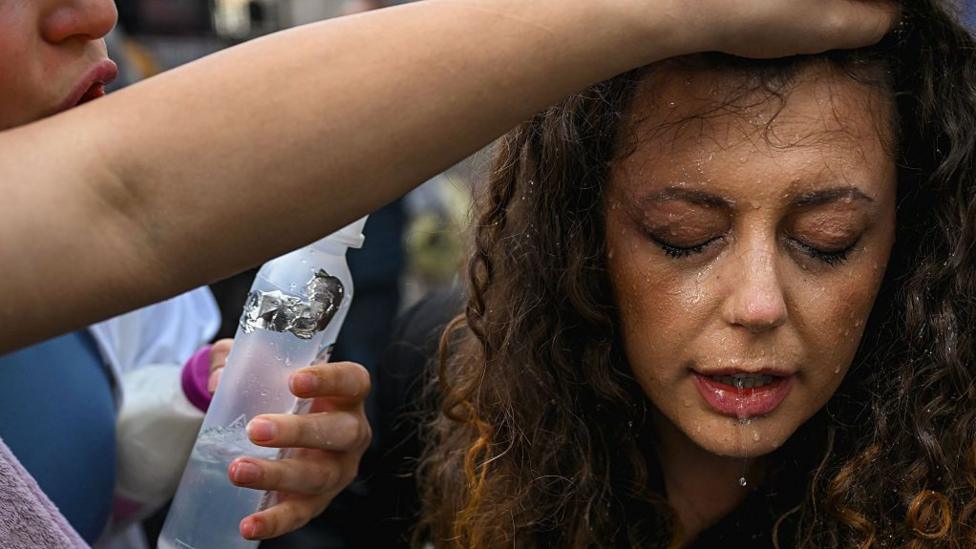 Image source, Getty Images
Demonstrators come equipped to clean tear gas from people's eyes
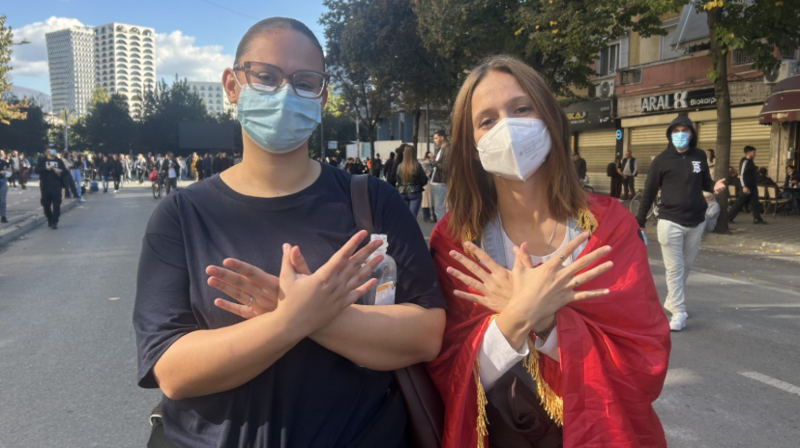
Klodi, 21 and Klea, 17, were among the young student protesters in Tirana on Saturday
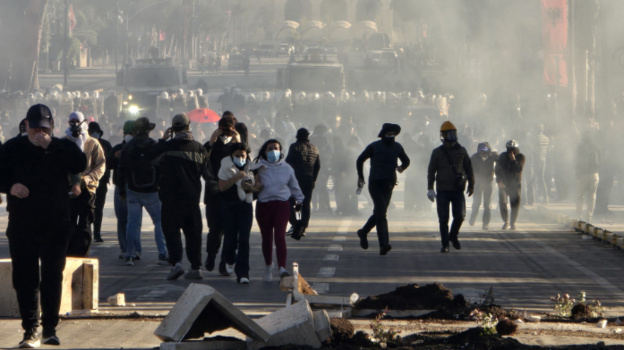
Protesters and riot police fought running battles throughout the day in the centre of the capital
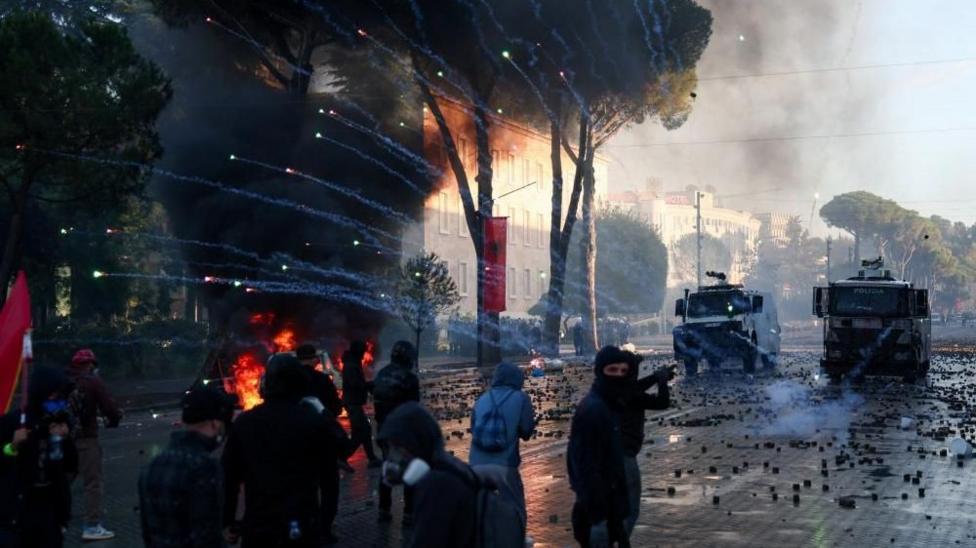 Image source, Reuters
Protesters threw bricks at police on the city's main boulevard