The key facts
- GenoMorph uses 3D morphology, comparative genomics and developmental biology to find target genes
- About 2,300 potential DNA-editing targets have been identified for the dodo's craniofacial morphology
- A system has been created to deliver gene-editing tools into bird embryos using lipid nanoparticles
A new AI platform for de-extinction
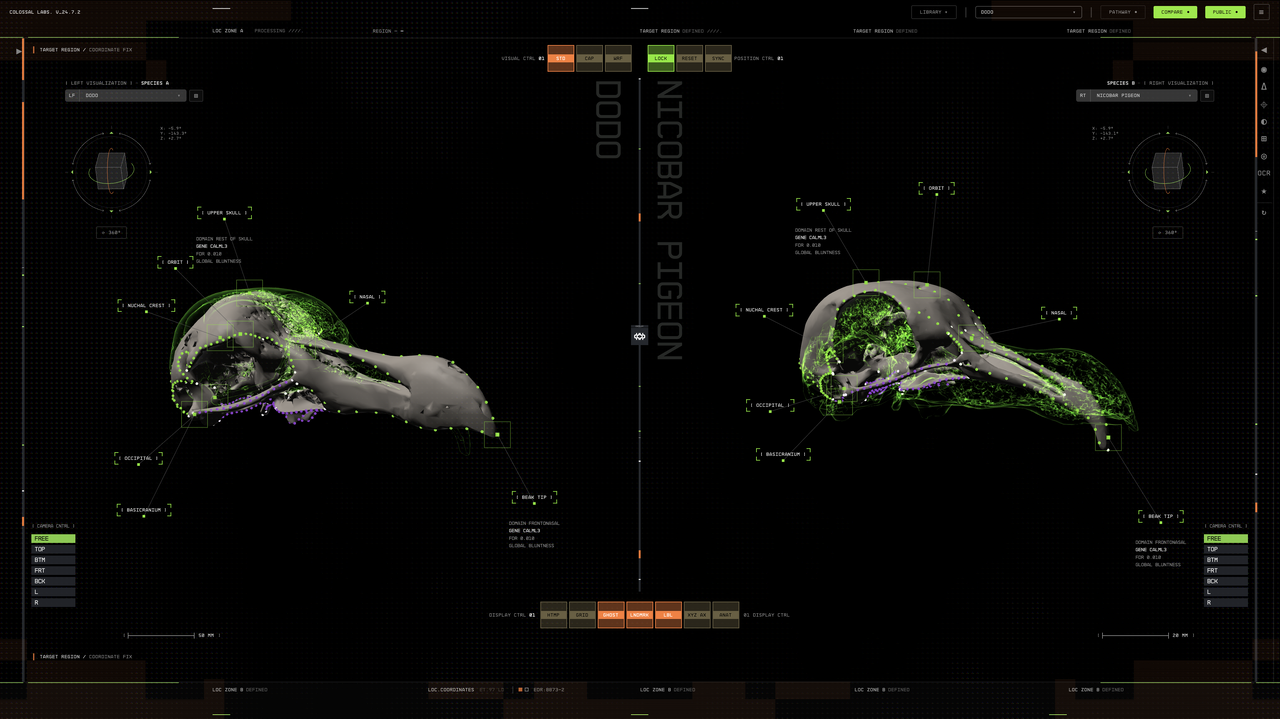
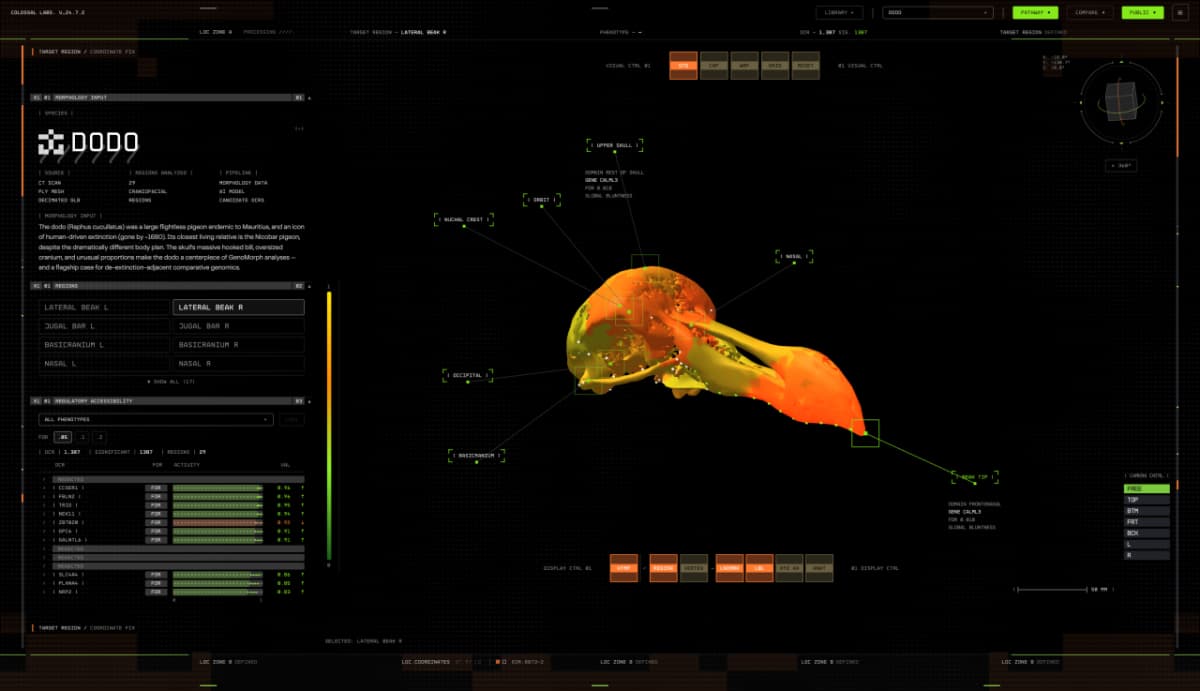
Colossal Biosciences has announced the launch of GenoMorph, an AI platform designed to accelerate projects aimed at bringing back extinct species. The platform combines advanced 3D morphology, comparative genomics and developmental biology to identify genes that can be edited in projects with limited genetic data. Its first application is the project to bring back the dodo, for which few genomes are available.
The problem of scarce ancient DNA
According to the company, only one genome is available for the dodo project, whereas about 100 genomes were obtained for the woolly mammoth project. Mammoth DNA is better preserved thanks to the cold climate, unlike the tropics where the dodo lived. Colossal CEO and co-founder Ben Lamm told TechCrunch that scientists usually compare many genomes to understand which genetic differences account for particular traits, but with the ancient DNA of extinct species that is not possible.
How GenoMorph works
To build the platform, Lamm said, the company collected developmental data from chickens, quails, ducks and pigeons, combining it with genetic information and 3D measurements of the skulls of more than 70 bird species. Development took more than a year. The AI determines which DNA regions are active during the formation of the beak and facial structures in different birds and, based on this, predicts which genetic 'switches' could have given the dodo its distinctive appearance. Lamm compared the platform to 'a treasure map for the dodo genome': instead of sifting through many possible genetic differences, GenoMorph helps find only the meaningful ones. About 2,300 promising DNA-editing targets for the dodo's craniofacial morphology have already been identified, which can be tested in the laboratory.
Delivering gene tools into embryos
The company has also developed a system that uses lipid nanoparticles to deliver gene-editing tools directly into developing bird embryos. This makes it possible to observe the effect of genetic changes on a bird's development without waiting for a full breeding cycle, in which birds must reach sexual maturity. Lamm stressed that scientists still need to verify whether such edits produce the desired physical traits.
Progress on the dodo project
At the same time, Colossal reported that its colony of Nicobar pigeons — the dodo's closest living relative — has grown to 36 birds, and the company has successfully created the key cells from which eggs and sperm form. According to Lamm, these cells are a critical part of the strategy for creating birds with dodo-like traits. The next step is to test GenoMorph's predictions in the laboratory.
Safety and investment
When asked about the safety of such gene editing, Lamm said the goal of a technology like GenoMorph is to make genetic engineering 'more precise, controlled and verifiable.' According to him, the platform does not edit genes itself but only helps determine which changes are worth investigating: 'Identifying a potential edit does not mean we immediately introduce it into an animal or consider it safe.' In addition, Colossal investor and XPRIZE founder Peter Diamandis announced on Wednesday the creation of a new venture fund, NeoGenesis Capital, to support companies using Colossal's programmable biology platform in healthcare, agriculture and conservation.