The key facts
- Oil is holding above $100 per barrel, gas is at its highest since the winter of 2022; Italy and Greece are asking the EU to soften its fiscal rules
- Ireland proposed cutting the EU's seven-year budget by €141 billion; the 'frugals' demand more, the 'Friends of Cohesion' — less
- The EU expresses regret over Trump's decision on Russian diesel supplies to the US; Zelensky will take part in the summit
Energy Crisis at the Center of the Agenda
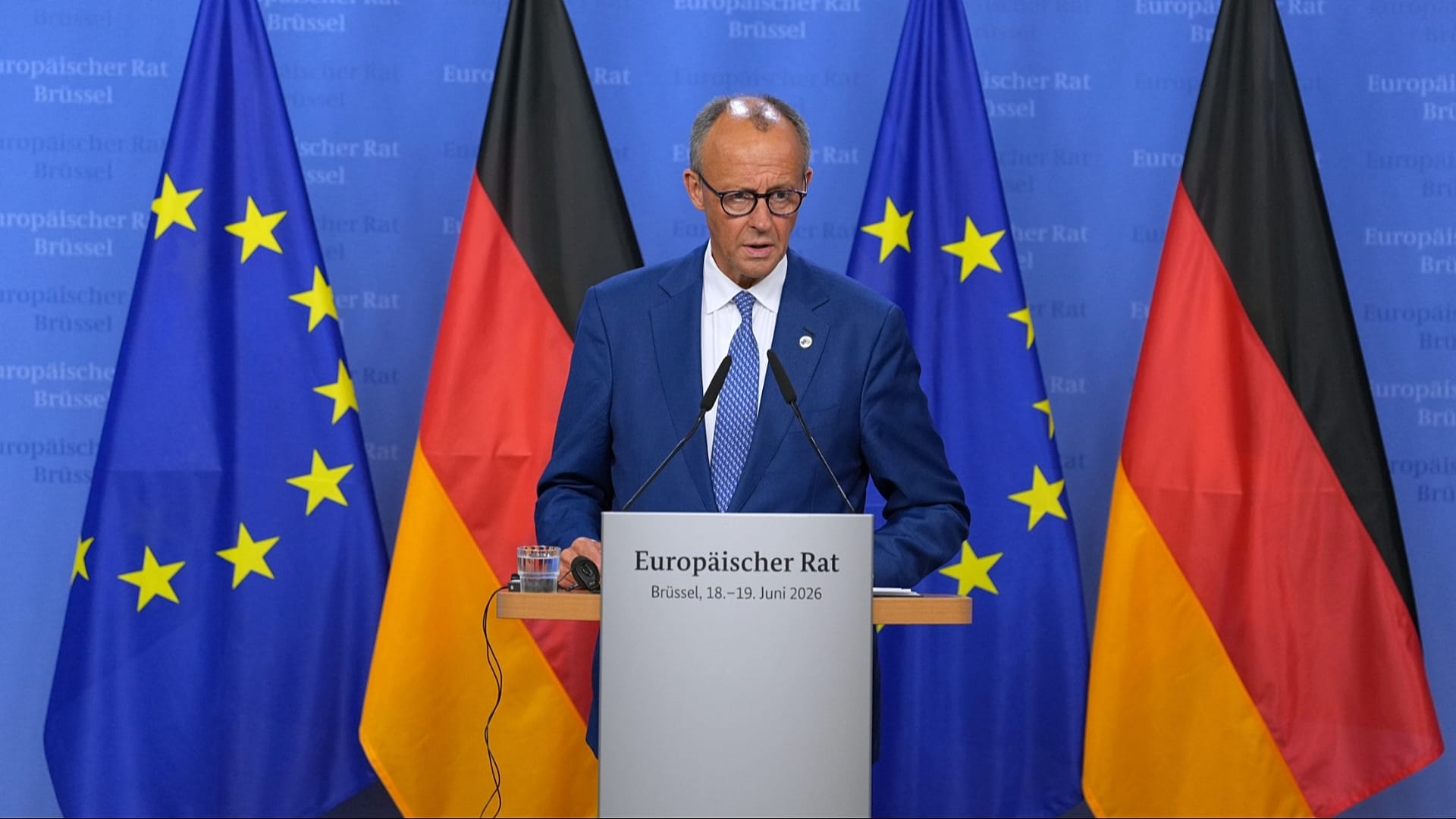
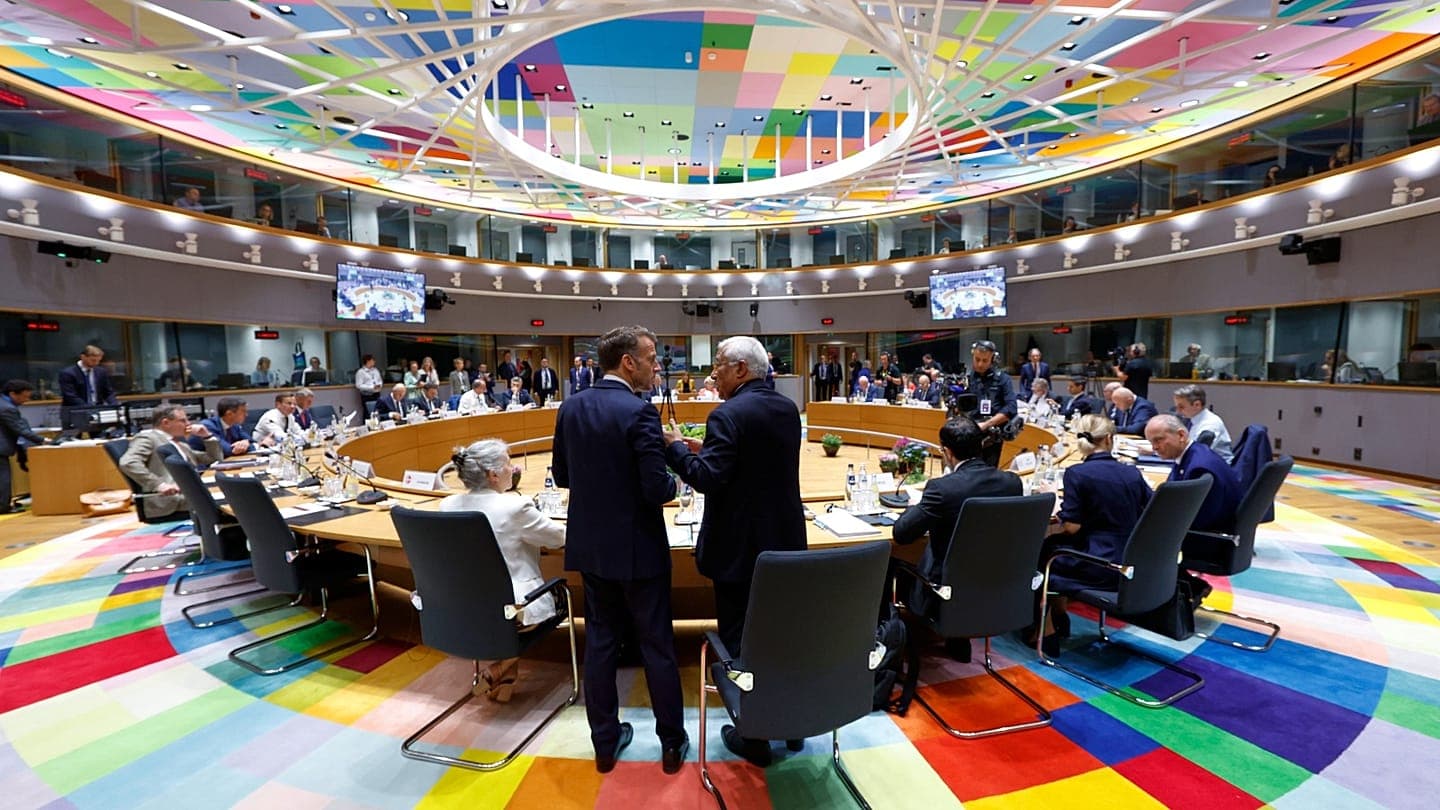
The two-day EU summit in Brussels opened on Thursday with a discussion of energy prices, which have soared due to military action in the Middle East. Oil is holding above $100 per barrel despite a coordinated release of reserves by G7 countries, gas is trading at its highest prices since the winter of 2022, and stocks in underground storage are below average levels. Italian Prime Minister Giorgia Meloni and Greek Prime Minister Kyriakos Mitsotakis called on Brussels to soften fiscal rules so that governments could finance 'temporary and targeted measures' to support households and industry. A number of countries fear that excessive flexibility will encourage fossil fuel consumption and slow the green transition. Six states — Austria, Germany, Italy, Poland, Portugal and Spain — proposed a pan-European windfall tax on energy companies, but the idea remains contentious and has not gathered sufficient support.
China: Preliminary Concessions and a 'Kill Switch'
After energy, the leaders discussed relations with China. With a trade deficit of €1 billion per day, Brussels has set Beijing a deadline until October to achieve 'tangible results'. During a visit to Beijing, European Trade Commissioner Maros Sefcovic secured preliminary concessions on hybrid and plug-in hybrid vehicles, rare earth metals and permanent magnets, as well as on access for European companies to the Chinese market. A senior diplomat noted satisfaction with the results but stressed that this is only a first step, and the key issue will be the implementation of the agreements. According to the draft conclusions, the leaders will call on the European Commission to continue a 'results-oriented dialogue' and to 'urgently strengthen' trade instruments for countermeasures. Germany and France proposed a 'kill switch' mechanism — cutting off China's access to the EU market if the deficit remains unacceptable.
Budget: Ireland's Proposal Satisfied No One
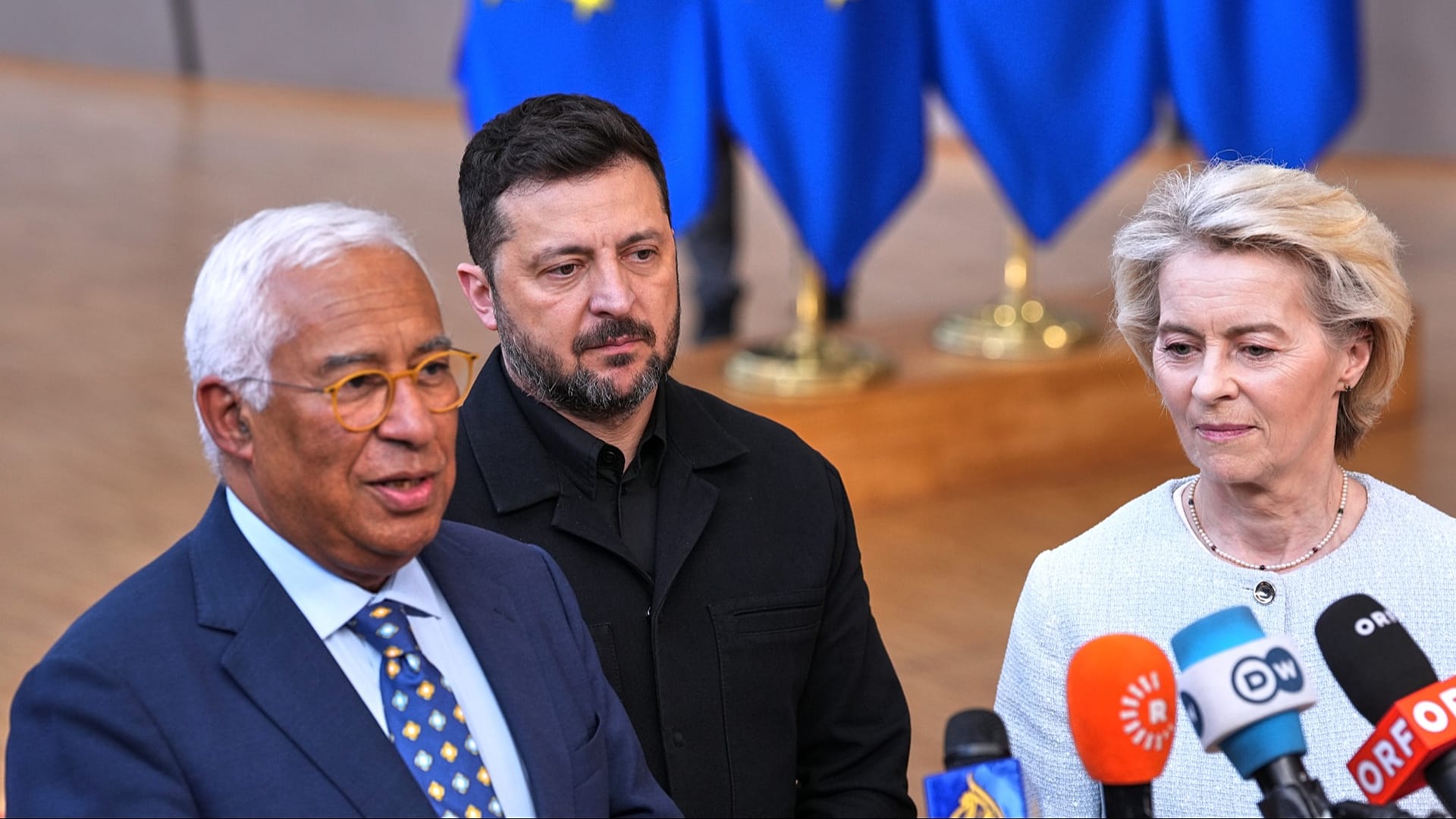
The most tense moment of the summit was the discussion of the next seven-year EU budget against the backdrop of rising borrowing costs, particularly worrying for France. European Council President Antonio Costa called on countries to move away from 'red lines' and reach an agreement by the end of the year so that legislative work can be completed before January 2028. Ireland, which holds the EU presidency, proposed cutting the original draft by €141 billion, with the cuts mainly affecting research, technology, climate measures, security and foreign policy, while agriculture and cohesion funds would be almost untouched. The 'frugal' countries (Austria, Denmark, Finland, the Netherlands, Sweden and Germany) demand deeper cuts across all items, while the 17 'Friends of Cohesion' believe the cuts have already gone too far. The European Commission warns that its vision of a modernised flexible budget is under real threat. There is also no agreement on pan-European taxes to replenish the common budget; Spanish Prime Minister Pedro Sanchez's decision to call early elections adds uncertainty. The first day will end with a discussion of preparations for EU enlargement and reform of internal decision-making; Montenegro, the leader in the negotiations, expects to close all chapters this year.
Ukraine and Disagreements with Washington
Friday is devoted to Ukraine with the participation of President Volodymyr Zelensky. The discussion takes place against the backdrop of complications after US President Donald Trump agreed with Vladimir Putin on a deal to supply tens of thousands of tons of Russian diesel fuel to the US market; Washington granted a sanctions exemption until April 2027. The news caught the Europeans off guard and prompted them to consolidate. The draft final statements include a point: 'The European Council regrets the decision of the United States to temporarily lift sanctions on Russian diesel fuel.' Trump is calling on Zelensky to stop strikes on Russian oil refineries and to observe the 'energy truce'. Zelensky says he is ready for a truce provided Russia complies with it, which, according to him, continues to bomb Ukrainian energy facilities. Europeans reluctantly support Washington's call, considering long-range strikes Kyiv's main lever of pressure on Moscow. A senior EU official noted: 'This is not the first time we have gone through disagreements with the US over the war in Ukraine, but I do not agree with the idea that we are being ignored.'
Migration Closes the Agenda
The final item of the summit will be a strategic discussion on migration, in which Sanchez is expected to face off against the Meloni-led majority. After the crisis at the border in Ceuta, Italy introduced checks on the border with Spain, and Spain responded with similar measures. Random checks at airports continue to this day.