The key facts
- Deezer is launching a toggle to hide AI tracks, albums and artists from search — by the end of the year
- In July, more than 50% of daily uploads (an average of 90,000 tracks per day) were AI-generated, compared with 10% a year ago
- Other services: Bandcamp banned AI tracks, Tidal disabled monetization, Spotify only labels them
Deezer to add an AI music filter
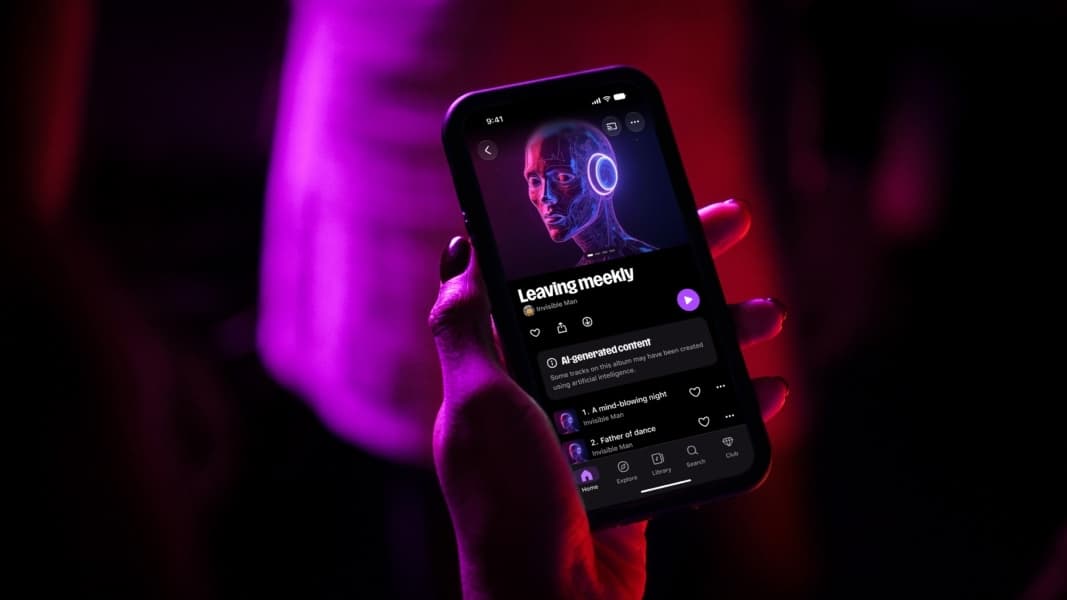
Streaming service Deezer announced on Tuesday, October 14, that it is working on a new feature — a toggle that will allow users to filter out music uploaded to the platform that was created by artificial intelligence. According to TechCrunch, the feature is expected to become available by the end of the year. When enabled, AI tracks, albums and the artists associated with them will stop appearing in search results.
Reasons for the decision
Deezer CEO Alexis Lanternier said the company had seen clear user demand for the ability to filter out AI music and is now giving everyone who wants it the option to completely remove such content from the streaming experience and focus only on human creativity. He added that one of the catalysts for the feature was the explosive growth of AI music on the platform. Deezer also cites a survey from last year, according to which about 45% of the service's customers wanted a way to remove AI music from their feeds.
Growth in the share of AI tracks
Deezer implemented AI music detection tools last year and has been publishing upload statistics since then. At that time, AI tracks accounted for 10% of daily uploads. In July, the company reported that more than 50% of daily uploads to the platform were AI-generated tracks, an average of 90,000 tracks per day.
Other services' policies
Other music streaming services have developed their own approaches to AI music. Bandcamp has completely banned AI tracks, Tidal has disabled monetization for those uploading such music, and Spotify has taken a softer position, only labeling AI tracks and artists more prominently. In August, Variety reported that Apple Music plans to label AI tracks by the end of the year. In addition to labeling on platforms, users are also turning to independent tracking systems to identify AI music.


