The key facts
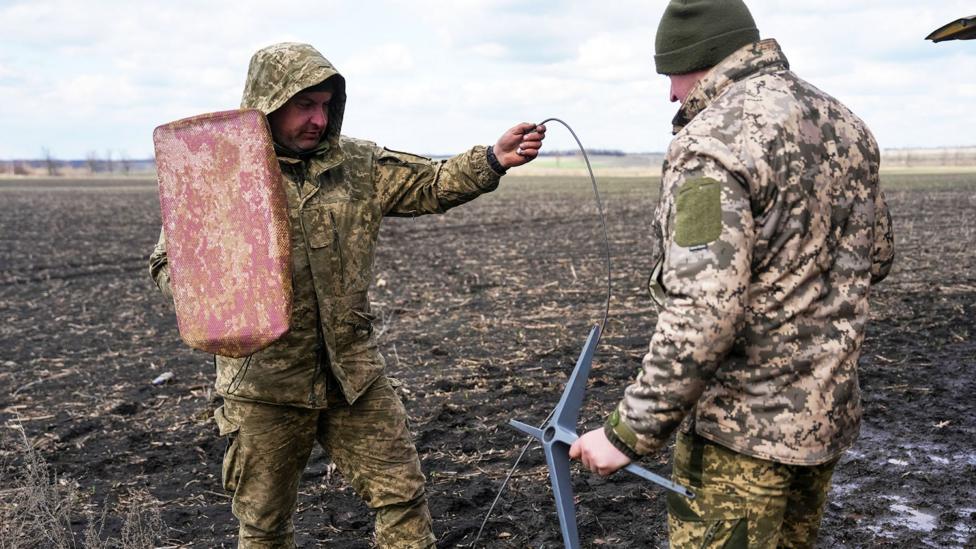
- Burnham promised to help Ukraine 'further and faster' and to speed up deliveries of light multirole missiles against Russian drones
- Zelensky called the time 'absolutely terrible': instead of an energy truce — Russian escalation, as well as 'difficulties' with access to US intelligence and Starlink
- Burnham declined to criticize Trump, saying his task was to 'mend bridges' between Kyiv and Washington
Visit against the backdrop of Trump's reversal
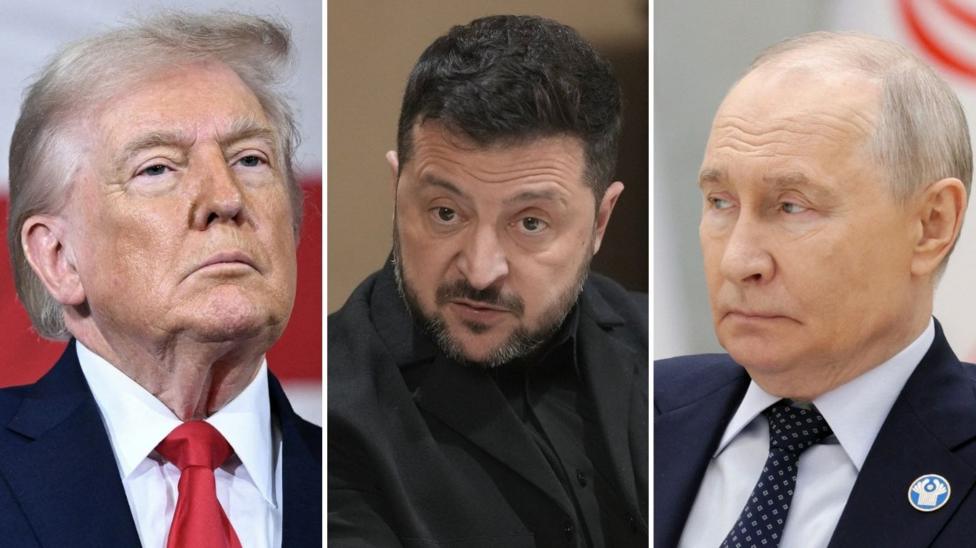
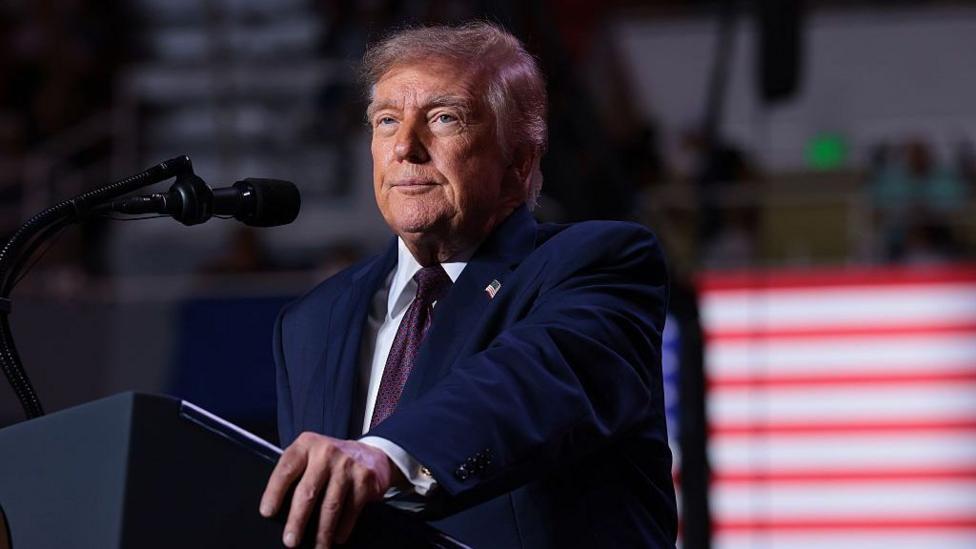
The visit of Ukrainian President Volodymyr Zelensky to London took place after a sharp change of course by US President Donald Trump. According to the BBC, for months Trump had been 'mostly the benevolent side' of the conflict, promising Ukraine greater access to American air defense technology and threatening new sanctions against Russia. However, last week he lifted sanctions on Russian diesel and called for Zelensky's replacement. After London, the Ukrainian leader planned to travel to Brussels.
Downing Street's promises
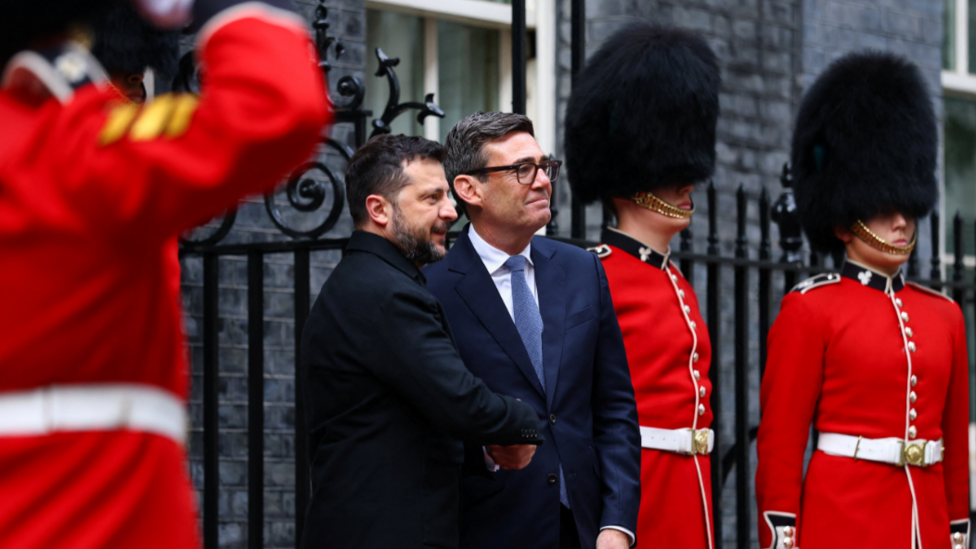
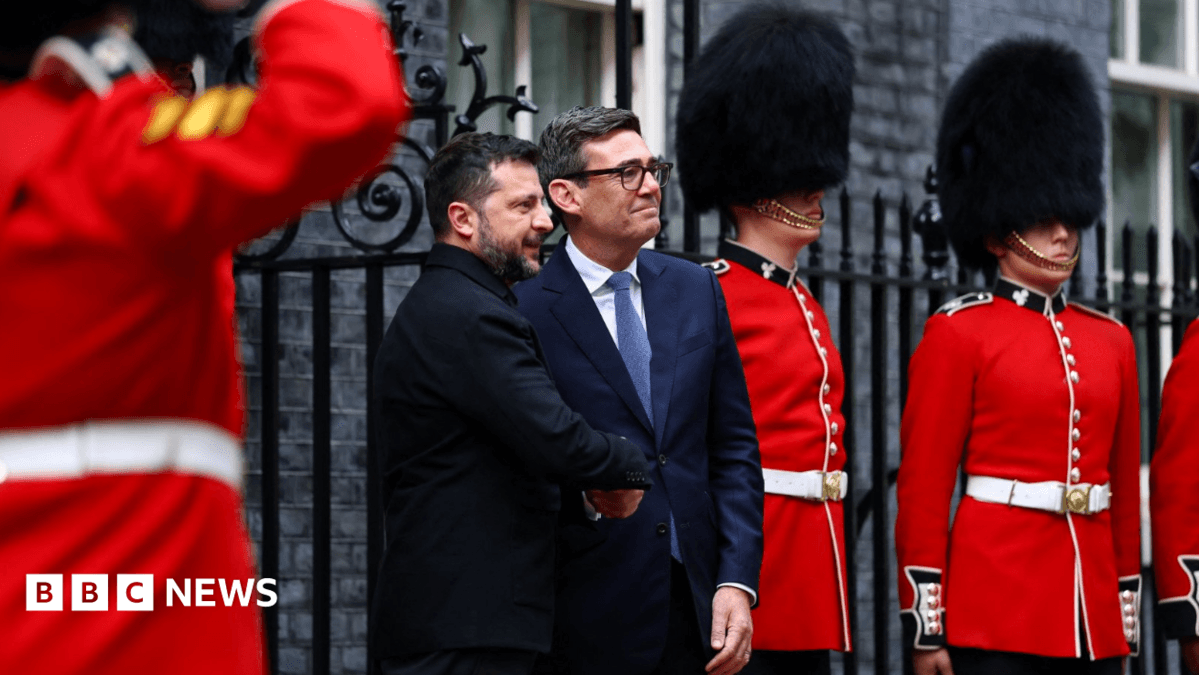
Downing Street distributed a press notice in advance promising to help Ukraine 'further and faster' — in both financial and military spheres. Specifically, Prime Minister Andy Burnham promised to speed up deliveries of light multirole missiles capable of shooting down fast jet-powered Russian drones. Zelensky was greeted by a military honour guard on Downing Street, and a controlled photo session took place at the start of the meeting.
Statements at the meeting
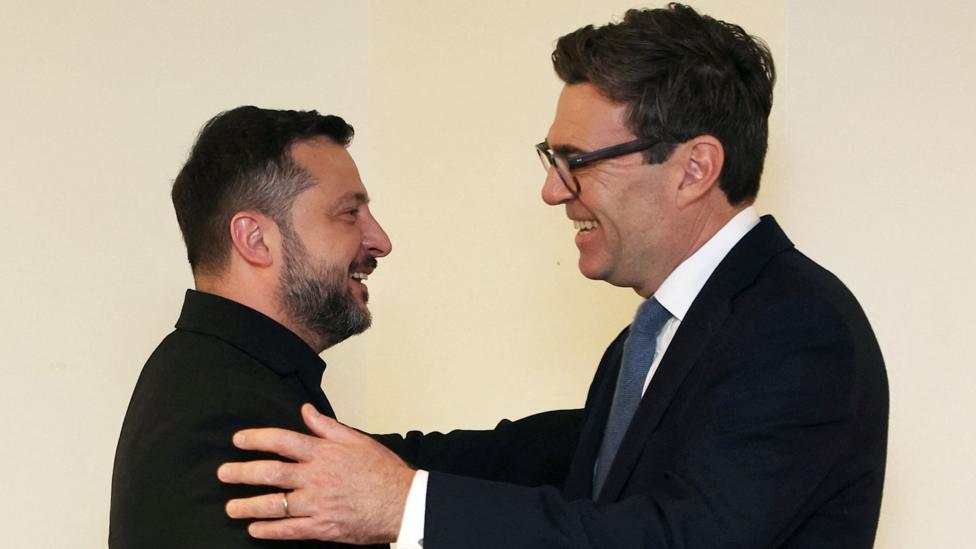
Before the meeting, Burnham told Zelensky that Britain stood with him 'in this difficult time', noted that it was clear 'who the aggressor is' after Russian strikes on Ukraine's critical infrastructure, and praised Zelensky for his 'leadership' in being willing to discuss Trump's call for an energy truce. Zelensky in turn called the time for Ukraine 'absolutely terrible': there is no energy truce, and instead there is Russian escalation. He said Ukraine 'counts on partnership with the US', but mentioned 'some difficulties' and 'various surprises' with access to American intelligence and the Starlink satellite network. According to Downing Street, the parties emphasized Russia's 'frankly indiscriminate strikes' on civilians and energy infrastructure and agreed that 'Russia is not interested in peace'. Also discussed were accelerating defense aid ahead of winter and 're-equipping with British capabilities' equipment provided by other allies.
Pressure in parliament
In the House of Commons, Burnham expressed 'unwavering' support for Zelensky and promised greater military and financial assistance. Liberal Democrat leader Sir Ed Davey asked why the prime minister was avoiding comment on Trump's lifting of international sanctions against Russia, calling it 'yet another shameful betrayal by Trump of the Ukrainian people and European security'. Burnham acknowledged that for Zelensky this was 'a very dark and difficult moment', but declined to criticize Trump: 'My role is to try to mend bridges so that support returns... I will listen carefully to President Zelensky, but he will not leave Britain today empty-handed'.
Britain's role as mediator
According to BBC diplomatic correspondent James Landale, Burnham apparently will not join the widespread European criticism of Trump. After the famous Trump-Zelensky row in the Oval Office in February 2025, Britain played a key role in smoothing things over, including through national security adviser Jonathan Powell, who shuttled between Washington and Kyiv. For millions of Ukrainians facing a hard winter and possibly less support from the US, the task, as the BBC notes, could not have been more urgent. As part of Zelensky's visit, the King also received him at Buckingham Palace.
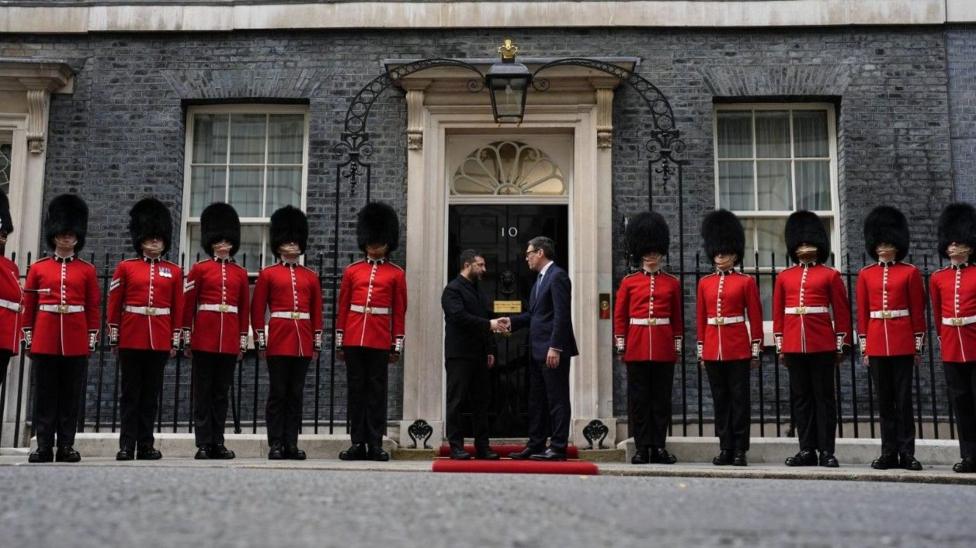 Image source, PA
"We are behind you and that will not change," Burnham told Zelensky
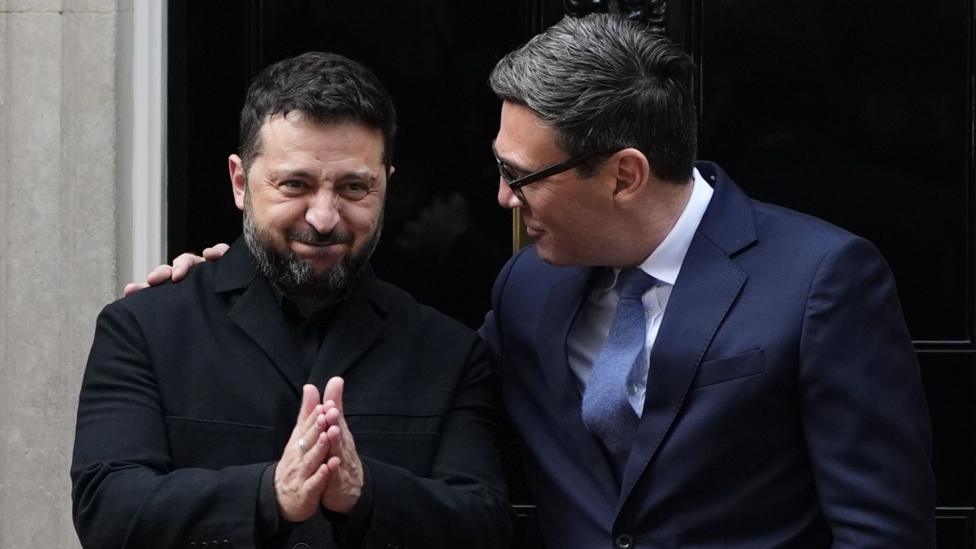 Image source, PA
Andy Burnham is expected to promise to go "further and faster" in helping Ukraine with financial and military aid
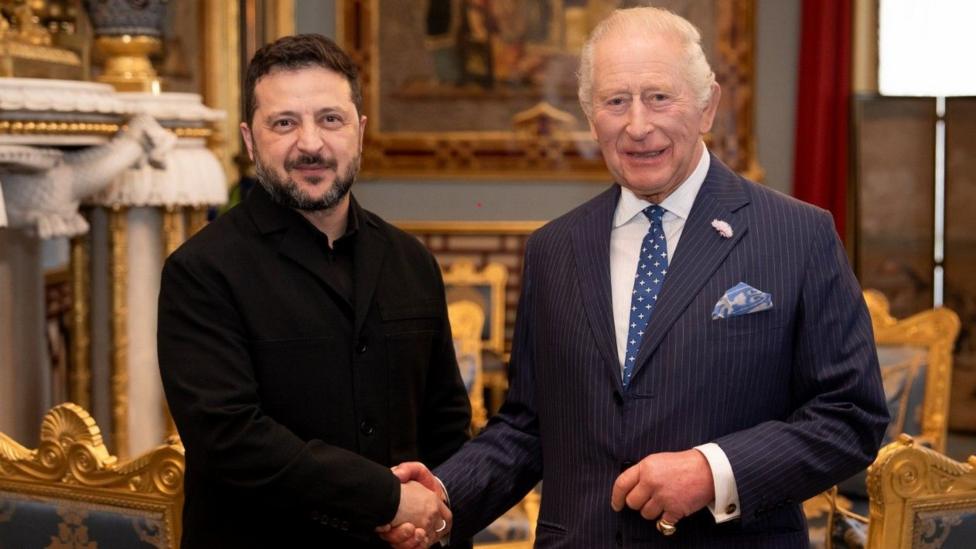 Image source, PA
The King held an audience with President Zelensky at Buckingham Palace as part of his visit to the UK