The key facts
- Kosiniak-Kamysz: Europe must move to a 'wartime footing' in defense production
- Russia produced about 7 million munitions in 2025, the EU and Norway — about 2 million 150 mm shells
- EU defense spending in 2025 — about €418 billion (2.2% of GDP), Poland spends 4.7% of GDP
Call for a 'Wartime Footing'
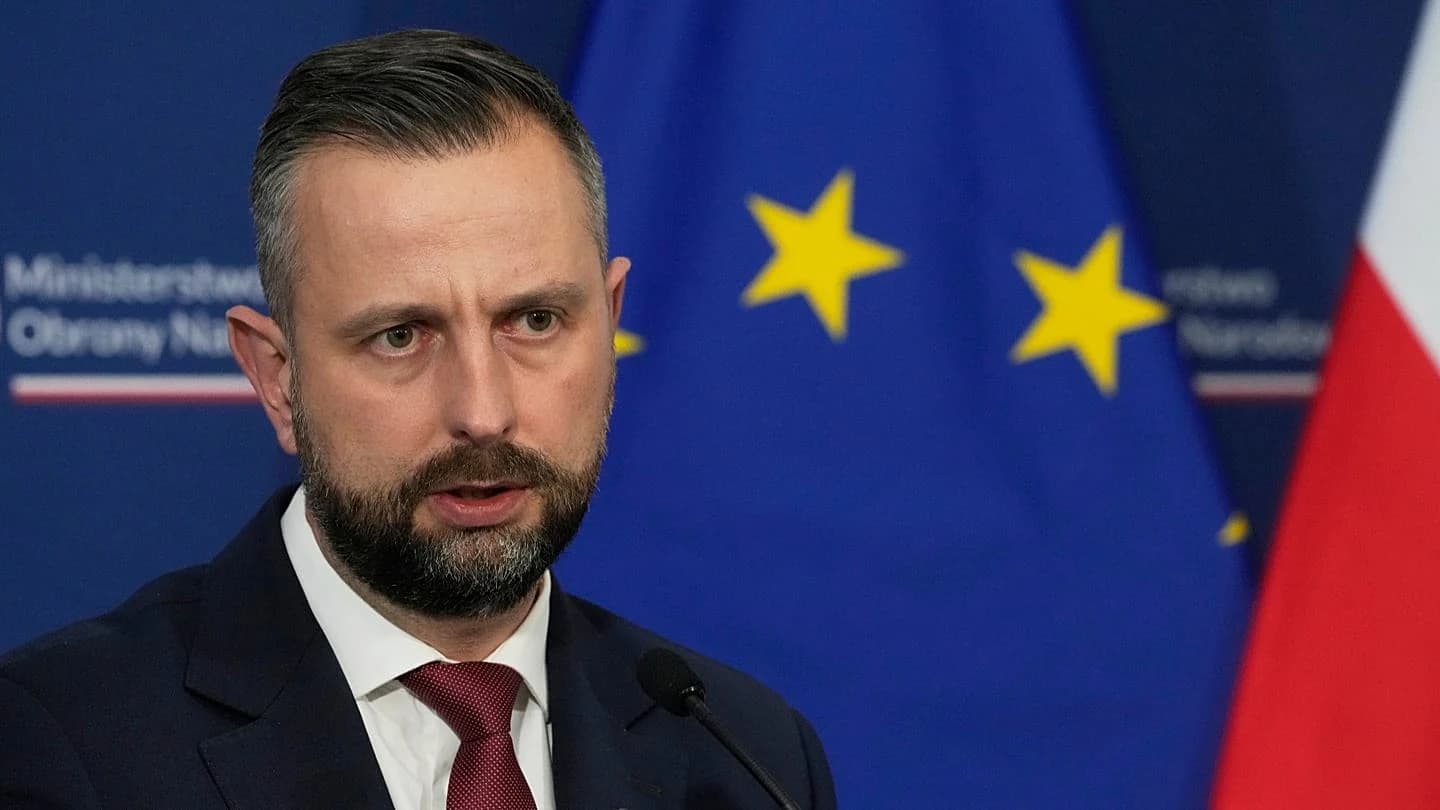
Poland's Minister of National Defense, Deputy Prime Minister Władysław Kosiniak-Kamysz stated that Europe must put its defense sector on a 'wartime footing', otherwise it will result in harm to its citizens in the future. 'I advocate moving to a wartime footing when it comes to production in the defense sector,' he said at a press conference on the sidelines of the Warsaw Security Forum on Tuesday. 'That is exactly how the Russian Federation is operating now. We have no right to turn a blind eye to this.'
Ammunition Production Data
Russia put its defense industry on a war footing even before the full-scale invasion of Ukraine in 2022 and, according to forecasts, will allocate 7.5% of GDP to its armed forces in 2026. According to a recent Estonian intelligence report, in 2025 Russia produced about seven million artillery, mortar, tank and rocket munitions; Russian troops expend around 10–15 thousand munitions per day. According to a report on European defense readiness that leaked to the media, the 27 EU countries and Norway will produce only about two million 150 mm shells this year.
Spending and Underfunding
The European defense industry has developed for decades under conditions of chronic underfunding and fragmentation. Rearmament efforts have led to the largest annual growth in military spending since the Cold War, yet the combined defense spending of EU countries in 2025 is estimated at €418 billion, or 2.2% of the union's total GDP. According to US Ambassador to NATO Matthew Whitaker, Poland is among the leaders in the share of defense spending, directing 4.7% of GDP toward strengthening its defense capability.
Warning About Mistakes
Kosiniak-Kamysz stated that for Europe 'the time has come' to prepare for its own defense by multiplying the volume of military production. According to him, refusing such measures would be a 'costly' mistake for Europeans: 'This is one of the miscalculations that will come back to haunt us and will negatively affect future generations.'