The key facts
- Chancellor John Healey's budget comes on Wednesday and is expected to be more modest than before: smaller tax rises, with almost no advance announcements
- Chancellor John Healey's budget will take place on Wednesday and is expected to be more modest than previous ones: smaller tax rises and almost no advance announcements
- Burnham proposed an honest conversation about free movement with the EU, but Downing Street refused to confirm the idea of a referendum
- Approval of production at the Jackdaw gas field has sharpened the question of the Rosebank oil field, on which the party is not united
- Approval of extraction at the Jackdaw gas field has sharpened the question of the Rosebank oil field, on which there is no unity within the party
100 days and a week of decisions
BBC political editor Chris Mason writes that this week has become the moment when the rubber hits the road for the new government of Prime Minister Andy Burnham: exactly 100 days have passed since he arrived in Downing Street. In Mason's assessment, the mood among Labour MPs has improved, the party's ratings have edged up, and the governing style differs noticeably from the era of Sir Keir Starmer, who left the post. Ahead lies a series of difficult economic and political forks in the road — some of them unavoidable, some chosen by Burnham himself.
The budget on Wednesday: quieter, but not a non-event
Chancellor John Healey's budget will be presented on Wednesday, and it feels less loud than previous ones for three reasons listed by the BBC: it comes a month earlier than last year's, which squeezed the time for leaks and speculation; the scale of tax rises is noticeably smaller; and Healey and his team deliberately announced almost nothing in advance. At the same time, as Mason notes, the budget's authors themselves do not want it to be seen as a meaningless event: every budget matters. The expected themes of Wednesday are support with the cost of living for part of the population, help for entrepreneurs, more financial powers for mayors in England, and rebuilding the economy.
Brexit and free movement: announced, then backtracked
In recent weeks Burnham has repeatedly said that the current deal with the EU is not good enough, and at the weekend he proposed an honest discussion of free movement — a condition mandatory for single-market countries. On Monday, the prime minister, according to the BBC, clarified that free movement could return only after approval in a referendum, however later his team declined to repeat that formulation, stressing only that Burnham wants to open a broad discussion without commitments as to its outcome. Some MPs saw this as an unnecessary freelancing muddle; others see speaking his mind publicly as a way to dominate the agenda. Home Secretary Shabana Mahmood noted that a call for an honest conversation is not the same as agreed policy, and recalled the prime minister's words about very significant problems with free movement during EU membership. MPs from northern England and the Midlands, which voted for Brexit, privately fear looking too friendly towards Brussels. Next month a UK–EU summit will take place in Brussels, previously postponed because of Starmer's resignation.
The North Sea: Jackdaw approved, Rosebank's fate unclear
Last week Energy Secretary Miatta Fahnbulleh approved production at the Jackdaw gas field roughly 150 miles east of Aberdeen, citing energy security against the backdrop of the wars in Ukraine and the Middle East. Tax revenues, she said, will go into an energy wealth fund for investment in renewable and low-carbon energy. A far more difficult question is the Rosebank oil field 80 miles north-west of the Shetland Islands: figures in the Labour Party admit that approving it would be much harder to sell to their own party. Fahnbulleh called Rosebank a different proposition from Jackdaw, while Chancellor Healey's allies made clear that he backs the project — his public speech on the day Jackdaw was approved included a mention of revenues from oil and gas specifically. Mason notes that approving Rosebank could raise the question of ministerial resignations.
What else is on the agenda
Alongside the budget, the BBC lists several expected forks in the road: a review by former Labour minister Alan Milburn on young people and employment, with proposals to reduce the number of young people out of work and education and, over time, welfare spending; a decision on how many years migrants should wait before gaining the right to settle permanently in the UK; and finding the money to raise defence spending to 3% of national income by the end of the decade — with the corresponding compromises. Mason calls the key test on the EU what the party includes in its manifesto at the next general election.
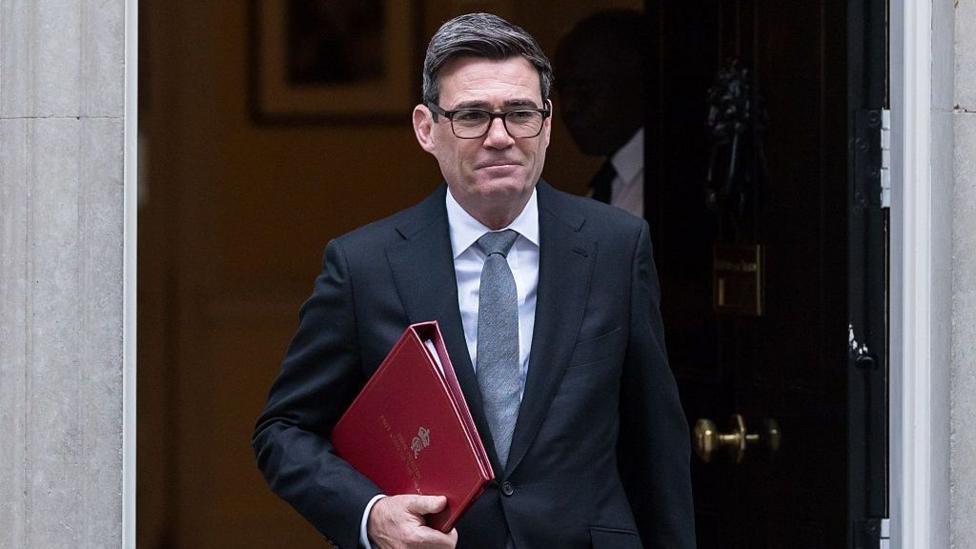 Image source, Getty Images
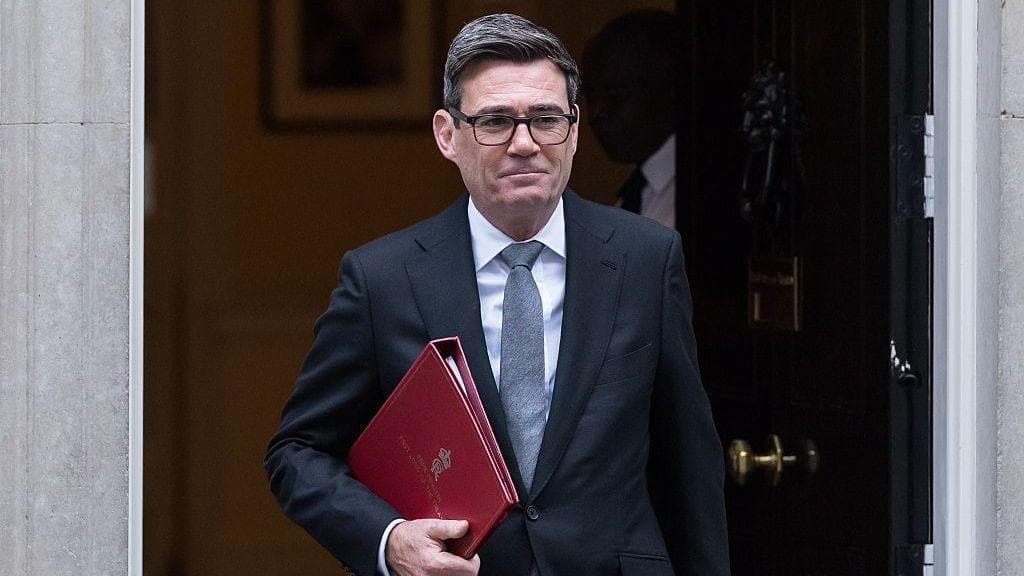
There are several issues on the horizon for the prime minister