The key facts
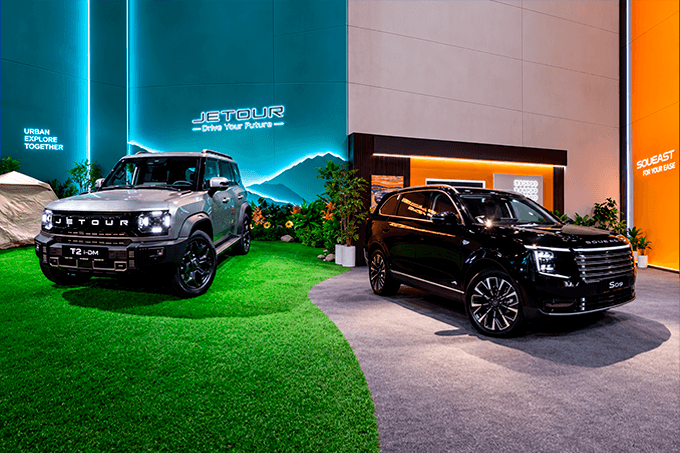
- Five hybrid models presented in Uzbekistan: JETOUR G700, T1-iDM, T2-iDM and SOUEAST S08 DM, S06 DM.
- The brands' key priorities are developing the dealer network, supporting car owners and cooperating with a local partner.
- A growing segment — plug-in hybrids (NEV) that combine electric drive and an internal combustion engine.
Five hybrid models for different scenarios
Uzbekistan's automotive market is changing in step with buyers' demands: according to Kun.uz, when choosing a car, increasing importance is attached not only to design and technical specifications, but also to functionality, comfort, technological solutions, powertrain efficiency and the availability of service maintenance. In these conditions, JETOUR and SOUEAST are expanding their model ranges, offering solutions for city trips, family travel and driving on unpaved roads. The publication names the segment of vehicles on new energy sources (NEV), including plug-in hybrids that combine electric drive and an internal combustion engine, as a key direction of development.
What the brands presented
JETOUR has brought three hybrid models to the market. The flagship G700 is positioned as a versatile vehicle with a striking design, an off-road concept, a high level of comfort and modern technologies — for buyers who see the car as a means of getting around in various conditions. The T1-iDM expands the choice in the hybrid SUV segment, combining technology with comfort for everyday trips, while the T2-iDM develops a recognizable SUV concept with a distinctive angular design, in which hybrid technology underscores its suitability for an active lifestyle. SOUEAST complements the offering with the S08 DM and S06 DM models, aimed at buyers for whom everyday convenience, functionality and modern technology matter.
A strategy beyond the new arrivals
According to Kun.uz, the brands' strategy is not limited to the appearance of new models: the development of the dealer network, support for car owners and cooperation with a local partner are intended to strengthen JETOUR's and SOUEAST's positions in the Uzbek market. Expanding the lineup allows the brands to cover different market segments and take into account buyers' individual needs. The publication also mentions the prospects of local production, but no specific timelines, models or localization terms are given in the article — this question remains open.
Why it matters
The simultaneous launch of five hybrid models indicates that the NEV segment is becoming a noticeable part of Uzbekistan's car market, and buyers are being offered a wider choice across different price and functional niches. For car owners, the declared expansion of the dealer network and service support has practical significance — the availability of hybrid maintenance depends on their actual coverage. The question of production localization, which could affect prices and employment, still lacks confirmed details.