The key facts
- Dubai has awarded AED 3 billion in contracts to expand stormwater drainage under the third phase of the Tasreef programme (AED 30 billion)
- 100 km of main lines with a diameter of up to three metres will be built across an area of 100 sq. km
- The programme aims to increase drainage capacity by 700% by 2033 and create a system capable of processing more than 20 million cubic metres of water per day
New contracts worth AED 3 billion
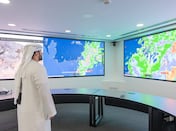
Dubai Municipality has awarded four contracts worth a total of AED 3 billion to expand the emirate's stormwater drainage network. The works are part of the third phase of the AED 30 billion Tasreef programme, which aims to increase rainwater drainage capacity by 700% by 2033. Under the project, 100 km of main drainage lines with a diameter of up to three metres will be built and extended, The National reports..
Areas covered by the works
Construction will cover an area of 100 square kilometres in key residential, commercial, industrial and tourist districts, including Jumeirah, Umm Suqeim, Al Safa, Al Manara, Al Quoz, Al Barsha, Al Wasl, Zabeel, Al Bada, Al Satwa and Al Marqab.
Context of the Tasreef programme
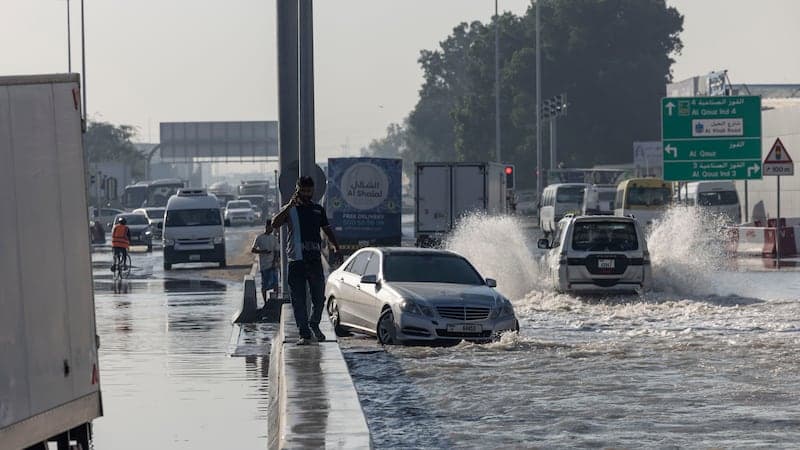
The Tasreef programme was launched in 2024 after massive flooding caused by unprecedented rainfall in April of that year. As Dubai Municipality Director General Marwan bin Ghalita said earlier this month, “Dubai did not simply stop to assess the damage or look for solutions. It took a swift and bold decision to launch a drainage programme designed to serve the city for the next 100 years.” In June 2025, the municipality completed a sewerage and rainwater drainage network in Nad Al Sheba worth AED 277 million, and in April of this year a drainage network in the Al Quoz creative zone.
Goals and timeline
The full Tasreef programme is designed to increase Dubai's drainage capacity sevenfold and enable the system to process more than 20 million cubic metres of water per day upon completion. The project is due to be completed in 2033 and is intended to meet the emirate's drainage needs for the next 100 years. Earlier this week, the municipality said it was preparing 10 temporary catchment lakes “in strategic locations to hold rainwater runoff in the event of heavy rainfall and reduce the load on the main drainage networks.” According to The National, the authorities have opted not merely to repair damage but to carry out long-term infrastructure modernisation to improve readiness for extreme weather events.