The key facts
- The US Department of Energy has designated helium a critical material — producers will gain access to federal funding and the resource will face tighter government oversight.
- Supplies are disrupted: Iran closed the Strait of Hormuz and struck Qatari infrastructure, while Russia imposed temporary export restrictions in April.
- China temporarily banned helium exports in July; according to the Financial Times, it served as a transit hub for Russian supplies to Europe.
US Department of Energy Decision
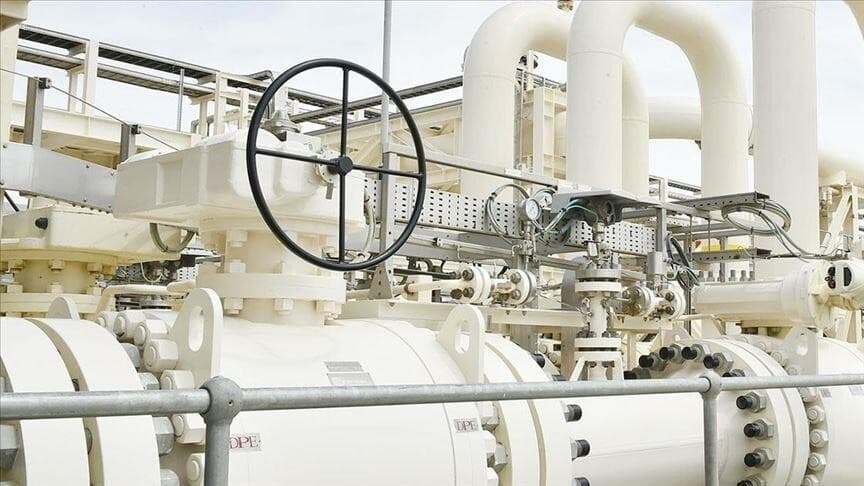
The United States on Friday designated helium a critical material, citing its key role in semiconductor manufacturing and energy, as well as growing concerns over disruptions to global supplies. The Department of Energy's decision will open additional federal funding to helium producers and place the resource under closer government oversight. Helium is mostly obtained as a byproduct of natural gas processing; the US is the world's largest producer of both gas and helium, with Qatar and Russia also among the leading producers.
Motives of the Trump Administration
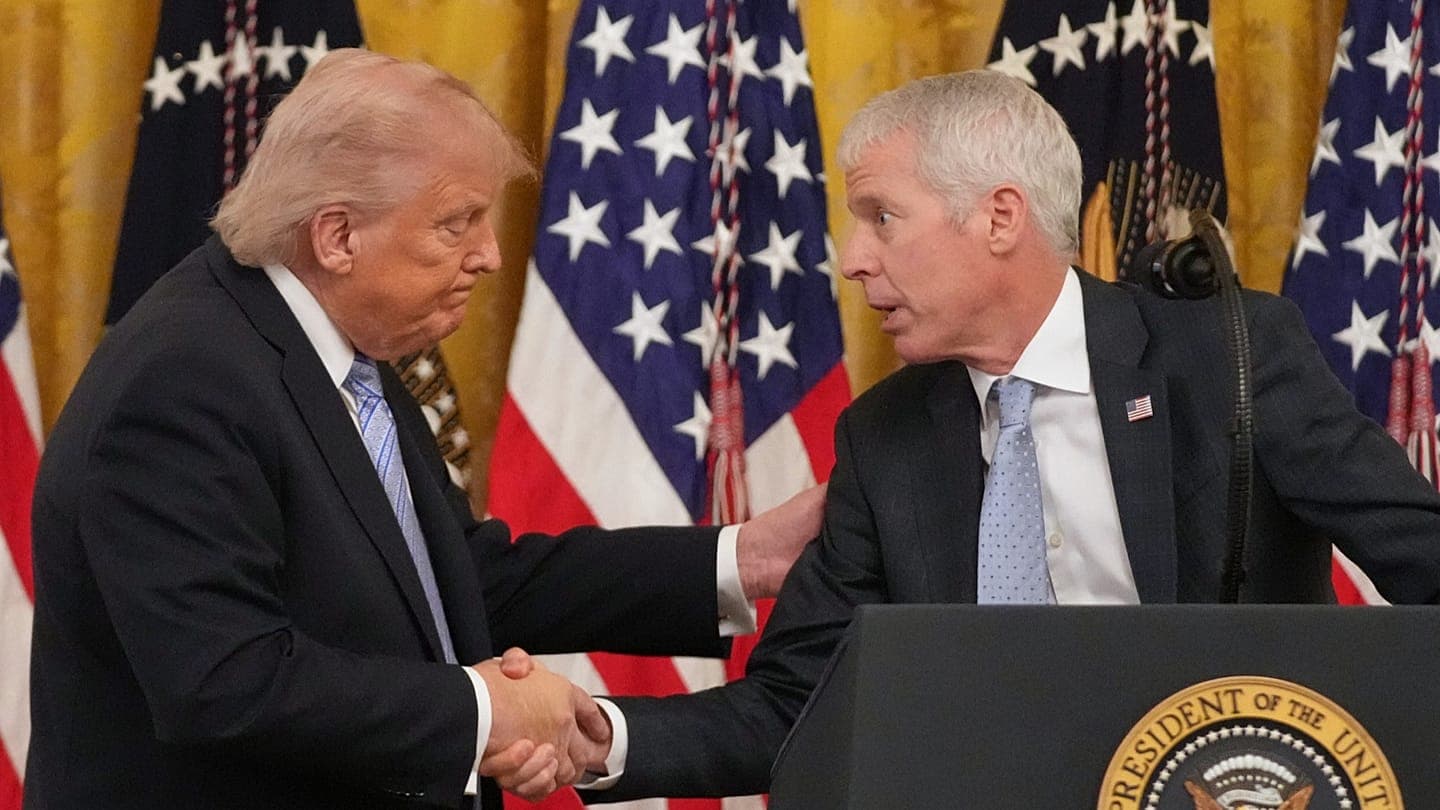
US Energy Secretary Chris Wright said the Donald Trump administration seeks to reduce dependence on foreign supplies of critical materials, boost domestic production, support American jobs, and strengthen economic and national security. 'President Trump is bringing manufacturing back to the US, which means we need to ensure the availability of the materials needed to build and create in America again,' his statement said.
Global Supply Disruptions
Helium exports from Qatar have been severely disrupted by Iran's closure of the Strait of Hormuz amid Iran's war with Israel and the US. Iranian strikes on Qatari infrastructure caused additional disruptions. Russia imposed temporary restrictions on helium exports in April to protect its domestic market.
Shortages in Europe
Europe is facing mounting difficulties in securing helium supplies, exacerbated by China's decision in July to impose a temporary ban on exports of the gas. Although China is not a major helium producer, it served, as noted in a July Financial Times report, as a transit hub for Russian supplies to Europe. The European Union banned direct imports of Russian helium in 2024, but, according to reports, some volumes continued to reach the European market via China.