The key facts
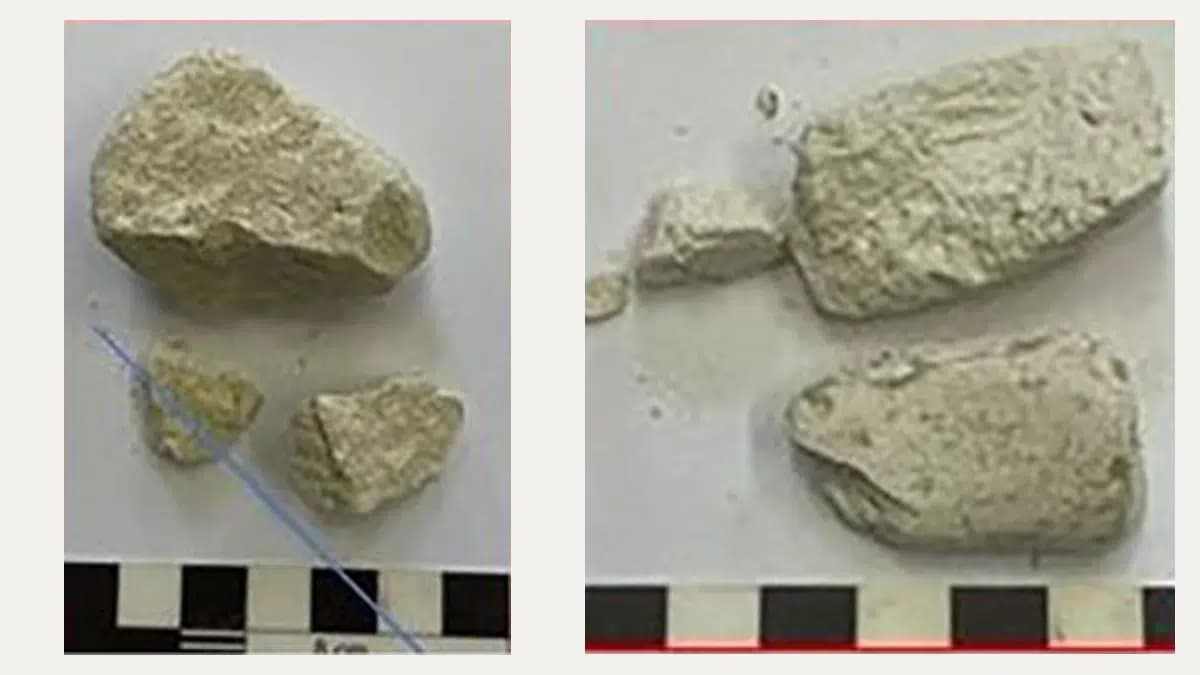
- The chalk artifacts were found in the burials of two women aged 30–39; the results were published in npj Heritage Science
- The base is calcite of natural origin, which distinguishes the find from Chinese recipes using mother-of-pearl
- More than 300 organic substances were detected, some of them later contaminants
Ancient finds from burial grounds of the Aral Sea region
Moscow State University, together with Chinese specialists, examined two chalk objects found in the Tompakasar and Altyn-Asar burial grounds. The results were published in the journal npj Heritage Science. The monuments belong to the Jetyasar culture, which was located to the east of the Aral Sea in the lower reaches of the Syr Darya. The settlements and necropolises of this area were studied back in Soviet times by the Khorezm Expedition; the fabrics, ornaments and metal items found there indicated connections between the local population and various regions of Asia.
Context of the find
The examined objects come from the burials of two women who died at approximately 30–39 years of age. After the excavations, they were kept at the Museum of the East. Similar chalk pieces had previously been found together with mirrors, combs, shells, knives, and sometimes crab claws and small vessels — such sets could have been part of a woman's cosmetic kit. However, the fact that the graves were robbed in antiquity makes it difficult to determine the purpose of the finds.
Methods and results of the analysis
The scientists checked the elemental composition of the samples, studied their structure under an electron microscope, and also applied X-ray and spectroscopic methods. The main substance turned out to be calcium carbonate. Microscopic calcareous plates characteristic of marine organisms indicate that the objects were made of natural chalk. This distinguishes them from cosmetics made according to ancient Chinese recipes, which used crushed pearls or mineral raw materials from grottoes.
Fragrant additives
The analysis revealed more than 300 organic substances — both possible components of the ancient mixture and contaminants that got in later. Of particular interest to the researchers were terpenes and related compounds, which plants produce as part of essential oils. The combination of substances found may correspond to cinnamon and wormwood, while some compounds may possibly indicate the use of mint or other plants of this family.
Conclusions and limitations
According to the scientists' interpretation, the chalk served as the base of a cosmetic product, while the plant additives gave it fragrance and additional properties. At the same time, it has not yet been proven exactly how the product was applied to the skin, and it is impossible to reconstruct the original smell of the ancient product.