The key facts
- Austria's democracy index fell to 54.1% — the fourth consecutive annual decline, the lowest since 2019 (53.8%).
- The sharpest deterioration (by 4 p.p.) occurred in the 'Justice' category; negative trends are also seen in the 'Sovereign' and 'Media' categories.
- Deterioration was recorded in 8 of 16 chapters; the NGOs called for transparency regarding the income of members of parliament.
Fourth consecutive decline
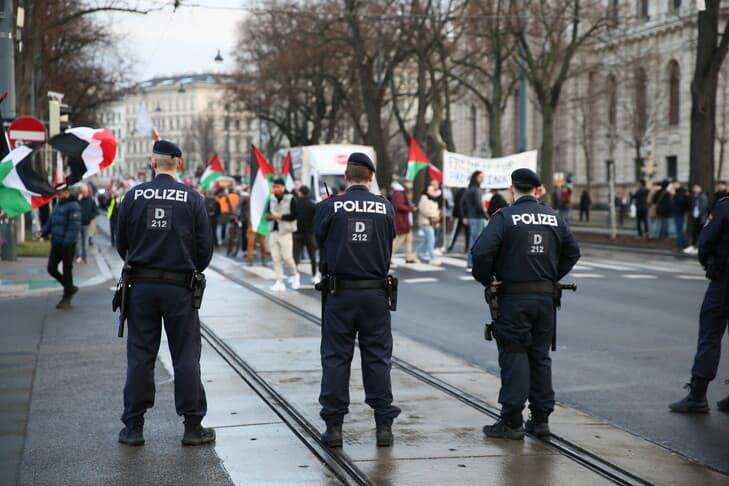
Austria's democracy index has declined for the fourth consecutive year, according to a report presented on Tuesday by a coalition of 10 non-governmental organizations that assess the efforts of the government and parliament to maintain liberal democracy. The index fell to 54.1% — one percentage point below last year's level and close to the lowest value since 2019, when it stood at 53.8%. The assessment of democratic conditions is published annually.
Structure of the index and main failures
The index is built on seven pillars: 'Sovereign', 'Political Parties', 'Legislature', 'Executive', 'Justice', 'Media', and 'Civil Society', each of which includes several chapters. The sharpest drop — four percentage points compared with the previous year — was recorded in the 'Justice' category. Its authors attribute this to a shortage of permanent positions, poor conditions in the penitentiary system, and insufficient exercise of powers by the federal prosecutor's office.
Deterioration in 8 of 16 chapters
Negative dynamics were noted in eight of the 16 chapters. In addition to justice, the decline is visible in the 'Sovereign' category — in particular, on fundamental rights in general (the ban on headwear for girls under 14 in schools and prison overcrowding are mentioned) and on digital fundamental rights.
Media and the call for transparency
The multi-year downward trend in the 'Media' category also continued. Among the reasons cited are the absence of a law against strategic lawsuits against public participation (SLAPP), possibilities of political influence on the public broadcaster ORF, and economic pressure on the media sector. The organizers of the index called for greater transparency in parliament, especially regarding the income and financial interests of members of parliament. 'A sustainable democracy needs politicians who transparently disclose whose interests they represent and how they vote,' the outlet quoted Marion Breitschopf from the NGO Meine Abgeordneten ('My Deputies') as saying.