The key facts
- Bahrain and France signed a memorandum on cooperation in the peaceful use of atomic energy
- The document was signed following Macron's visit to Manama on October 20
- The visit is part of Macron's Gulf tour on October 19–21 (Kuwait, UAE, Bahrain, Qatar)
Signing of the memorandum in Manama
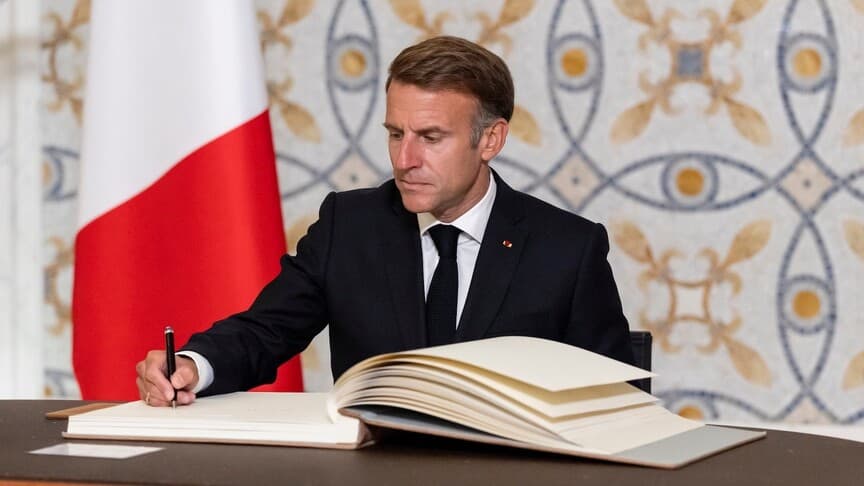
Bahrain and France on Tuesday, October 20, signed a memorandum of understanding on cooperation in the peaceful use of nuclear energy. The purpose of the document is to develop the skills and expertise needed for Bahrain's civil nuclear program, including through specialized training programs. The agreement was signed by the foreign ministries of the two countries in the presence of King Hamad bin Isa Al Khalifa of Bahrain and French President Emmanuel Macron, the Bahraini news agency (BNA) reported. The signing took place at the conclusion of Macron's visit to Manama.
Topics of the talks
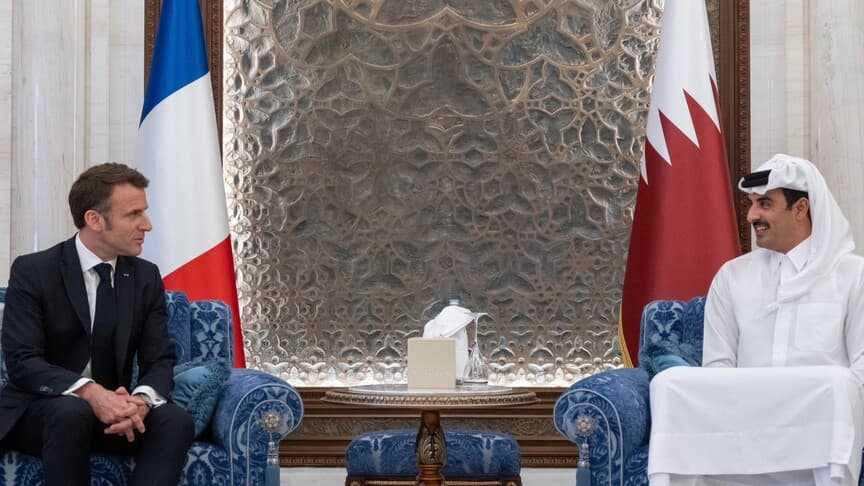
During the talks, the sides discussed strengthening strategic cooperation in investment, economic development, defense, sustainable development, and advanced technologies, and also exchanged views on the situation in the Middle East. King Hamad noted the defense cooperation agreement signed during his visit to France in February as a step toward broader interaction in security, energy, and technology. He also emphasized the importance of respect for state sovereignty, compliance with international law, and resolving crises through dialogue. Macron, according to BNA, called for expanding cooperation in defense capabilities and the military industry, as well as strengthening energy ties.
Context of the regional tour
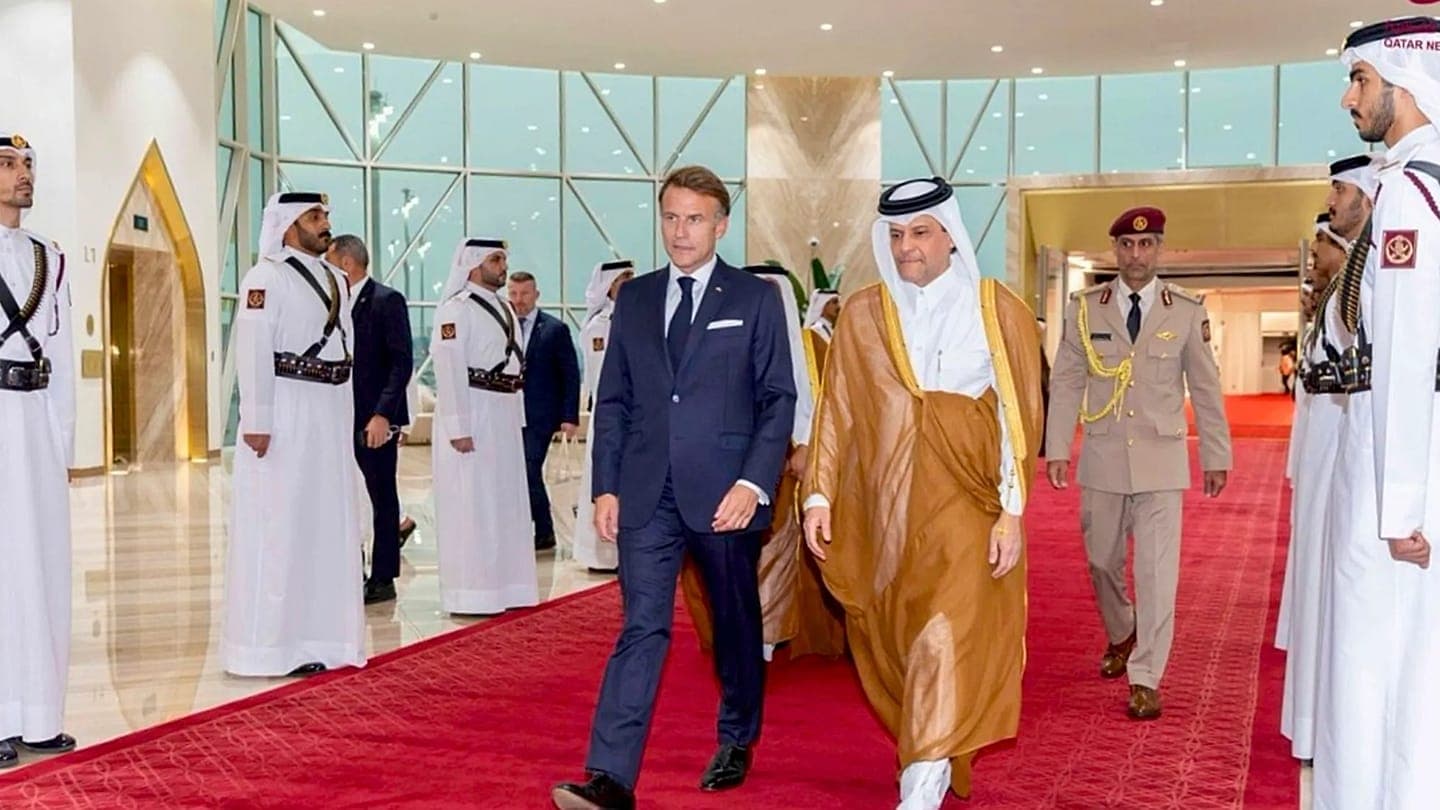
After Manama, Macron arrived in Doha on Tuesday evening, the Qatari agency QNA reported. The president's tour of Gulf countries runs from October 19 to 21 and also includes Kuwait and the UAE. The French presidential administration stated that the visits are aimed at strengthening strategic and economic partnerships, promoting regional stability, energy security, and freedom of navigation through the Strait of Hormuz. The tour takes place against the backdrop of regional tension following the war launched by the United States and Israel against Iran on February 28: according to the agency, Tehran responded with missile and drone strikes across the region and effectively closed the Strait of Hormuz, while Washington later imposed a naval blockade of Iranian ports.