The key facts
- The US Department of Homeland Security banned civilian government agencies from using DeepSeek and third-party tools built on it
- DeepSeek was founded in 2023 by Liang Wenfeng in Hangzhou; it gained worldwide fame in January 2025 with the R1 model
- According to Similarweb, DeepSeek holds about 4% of the global chatbot market, while ChatGPT holds 68%
New ban in the US
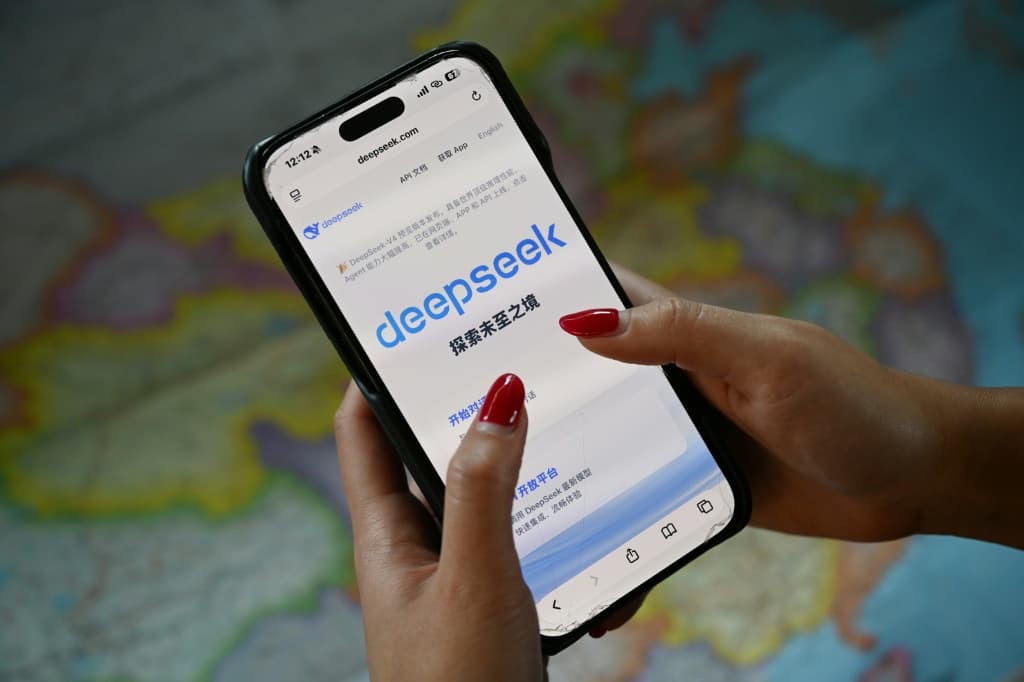
The US Department of Homeland Security on Monday ordered government agencies to stop using AI tools from Chinese startup DeepSeek, citing concerns about data transfers to China. According to AFP, the ban applies to civilian government agencies and covers both DeepSeek products and third-party tools built on them. The service had previously been banned or restricted on government devices in a number of countries, including the US, Australia and South Korea. China's Foreign Ministry said it disagreed with the decision and accused the US of an 'overreach' in the concept of national security.
Origins and breakthrough
DeepSeek was founded by Liang Wenfeng in 2023 in the Chinese tech hub of Hangzhou as a side project of his data-driven hedge fund, which had access to powerful Nvidia AI processors. The company gained worldwide fame in January 2025 with the release of its deep reasoning model R1, which triggered a sell-off in American tech stocks. The industry was stunned by R1's performance — on par with ChatGPT and other leading American chatbots — and by DeepSeek's claims that it was developed at a small fraction of the cost. Venture investor Marc Andreessen called it a 'Sputnik moment,' referring to the USSR's launch of the first artificial Earth satellite in 1957.
Censorship and open source
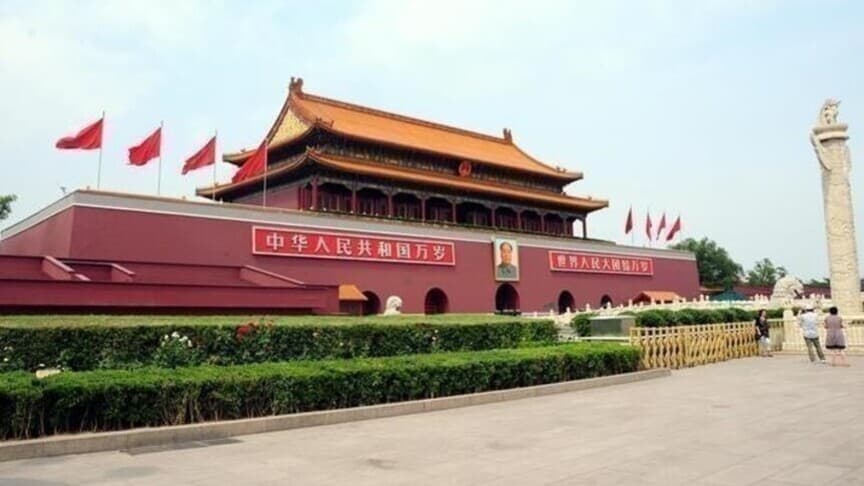
Like other Chinese chatbots, DeepSeek's tools avoid topics that are usually censored in China, such as the 1989 suppression on Tiananmen Square. The company's systems are open-source: their design is public, allowing programmers to adapt the software to their needs. A similar approach is used by other major Chinese AI players, including Alibaba, unlike the 'closed' models of OpenAI and other Western competitors. Chinese authorities promote the country's leadership in open-source AI: in April, Lou Qinjian, spokesman for the NPC Standing Committee, stated that 'Chinese AI models lead the open-source innovation ecosystem.'
Market and valuations
Low cost and ease of deployment have made DeepSeek popular in developing countries, analysts note. According to Similarweb, the company holds about 4% of the global chatbot market, compared with 68% for ChatGPT. In June, investors valued DeepSeek at more than $50 billion in its first funding round, the Wall Street Journal reports. The company's success has boosted China's AI sector: shares of Zhipu AI and MiniMax soared on their Hong Kong debuts, as did shares of Chinese chipmakers such as MetaX. Shi Yaqiong's team at Beijing-based Jinqiu Capital told AFP about a 'noticeable surge' of enthusiasm around Chinese AI and competition among investors after the 'DeepSeek shock.'
Chip controversy
DeepSeek's rise has been accompanied by controversy. According to reports, including by The Information, the company circumvented the US ban on exporting top-tier chips to China to train its new V4 model. In December, The Information, citing six informed sources, wrote that V4 was developed using thousands of chips dismantled in third countries and smuggled into China. DeepSeek did not respond to AFP's request for comment. Nvidia told The Information it had seen no evidence of this and that 'such smuggling seems unlikely.' In April, DeepSeek said it used both Nvidia chips and Chinese Ascend chips made by Huawei for the new model; Huawei confirmed that the entire Ascend line supports the V4 series. According to Washington's assessment, DeepSeek's latest model lags roughly eight months behind the best products of American companies.