The key facts
- The remaining ADB loans to Karakalpakstan exceed $760 million, which is 20% of the bank's credit portfolio in Uzbekistan; since 1995 the bank has provided the country with over $15 billion in total.
- Five ADB projects are being implemented in the region, plus seven nationwide projects involving the region: water supply ($145 million), the Khodjeyli–Beruniy–Karauzyak road ($48.7 million), and the Nukus-2 wind farm ($258.9 million).
- In Nukus district, access to drinking water rose from 68.4% to 89.7%; in Amudarya district, after the launch of the Mangit water treatment facility, the indicator is expected to rise from 50% to 82%.
ADB Days and the scale of financing
From October 14 to 16, Asian Development Bank (ADB) Days were held in Karakalpakstan, during which a group of journalists got acquainted with projects implemented with the bank's support in western Uzbekistan. The first stop was the Berdakh Karakalpak State University. The ADB has cooperated with Uzbekistan since 1995 and has provided the country with over $15 billion in loans, grants, guarantees and technical assistance over that time. The remaining credit funds allocated to Karakalpakstan exceed $760 million. Kanokpan Lao-Araya, director of the bank's country office, noted that the funds to the region account for 20% of the ADB's entire credit portfolio in Uzbekistan, called Karakalpakstan 'the gateway connecting Uzbekistan with other regions' and emphasized that the region has been seriously affected by climate change. Five projects are currently being implemented in the region in the areas of roads, energy, water supply and agriculture, and the region is also covered by seven more nationwide projects. Bank experts drew attention to the worn-out Soviet irrigation infrastructure oriented toward cotton and the large water losses against the backdrop of an expected intensification of the shortage. At the Berdakh University, 28,000 students study in four shifts until 9:00 p.m., although the institution is designed for 5,000 places.
Water supply projects
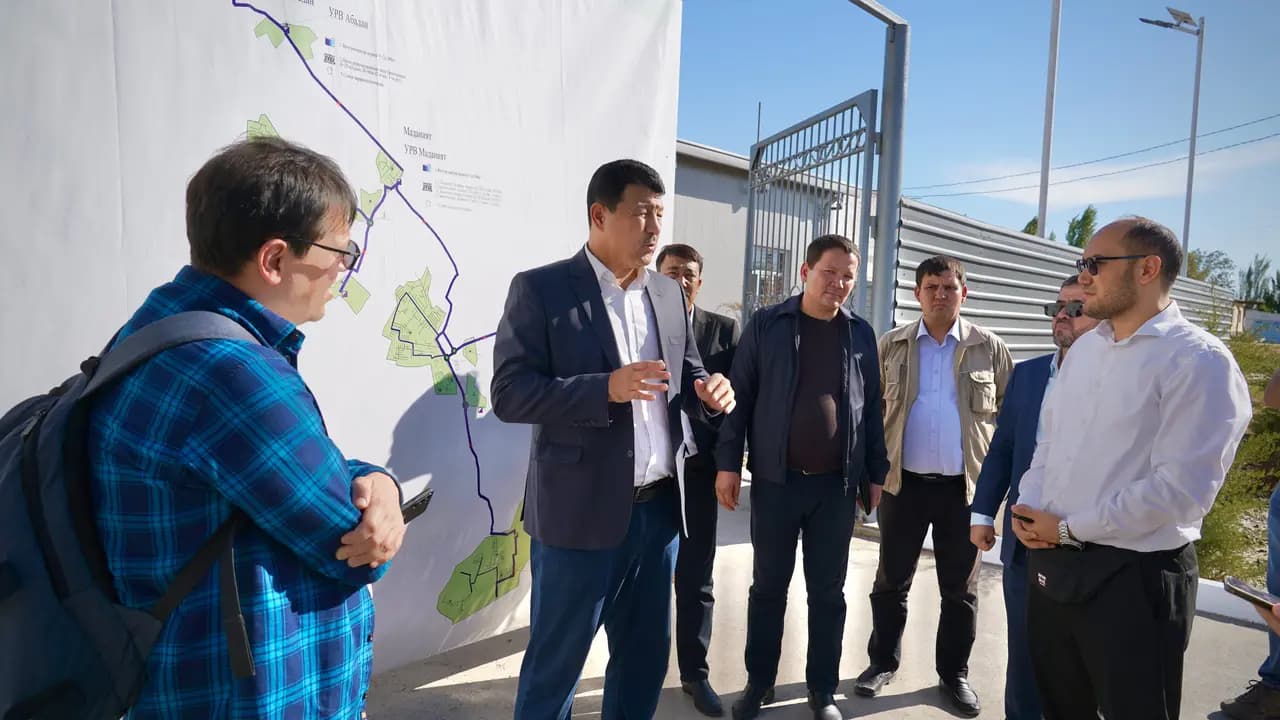
Under a presidential decree of April 2019, an ADB loan of $145 million is providing drinking water to the population of the Amudarya, Beruniy, Karauzyak, Kungrad, Nukus and Muynak districts; the projects are designed for 2019–2026 and must provide 326,000 people with permanent access to clean water. In Nukus district, 31,100 residents of 35 settlements received centralized water supply for the first time: under the $11.4 million project, the Madaniyat, Abadan and Kerder facilities were reconstructed, about 263 km of networks were built, and coverage rose from 68.4% to 89.7%. According to Jamoliddin Sagatkaliyev, deputy director of JSC Karakalpak Suv Taminot, 75.1% of Karakalpakstan's population is covered by centralized water supply. In Amudarya district (220,000 residents, only half connected to the network), two projects worth $42 million are being implemented: with an ADB loan of $13 million, the Mangit water treatment facility was built, filtering up to 40,000 cubic meters of Amu Darya water per day and capable of supplying 200,000 people. The second project, worth $29 million, provides for laying 260 km of pipelines; 95% of the work has been completed, with completion expected by the end of 2026. After launch, more than 180,000 residents will receive centralized water (70,000 for the first time), the old facility serving 110,000 people will be closed, and the district's coverage will rise from 50% to 82%.
Road reconstruction
The length of the route between Andijan and Karakalpakstan is 1,850 km; most of the roads in this direction have been reconstructed. With ADB participation, a 25-kilometer section through the Khodjeyli, Beruniy and Karauzyak districts is being reconstructed at a cost of $48.7 million; work began in 2024 and must be completed this year. After reconstruction, the section from Nukus to Urgench can be driven in 30 minutes, and the speed will increase from 60 to 120 km/h. Entrepreneur Damir Mamutov said that granules are exported through the region to Turkey, Belarus, Russia, Kazakhstan and Tajikistan: previously the 240 km journey took 12–14 hours due to potholes and snow, now it takes 3–4 hours. The concrete road surface is 27 cm thick, the base 18 cm; about 300 people work at the site.
Nukus-2 wind farm
The Nukus-2 wind power plant is being implemented in Karauzyak district by the Saudi company ACWA. According to project director Sardorbek Mahmudov, the station consists of 26 turbines of 8 MW each; the turbines are 138 m tall, with blades located at a height of 170 m — the tallest and largest turbines in Central Asia. Power transmission lines 44 km long lead to the Beruniy substation of JSC National Electric Grid of Uzbekistan. The station's capacity is 200 MW; additionally, a 100 MW energy storage system has been built and is currently being configured before launch; all turbines are connected and are being commissioned in stages. The total cost of the project is $258.9 million, of which more than $51 million are ADB loans. According to Mahmudov, after full commissioning the station will be able to simultaneously supply electricity to 300,000 households. All the projects presented, as noted during the media tour, are implemented under ADB supervision and to international standards.
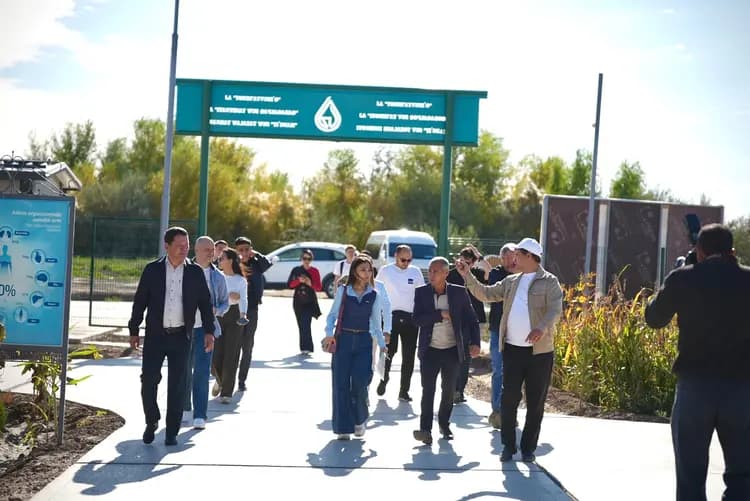
Photo: Asian Development Bank
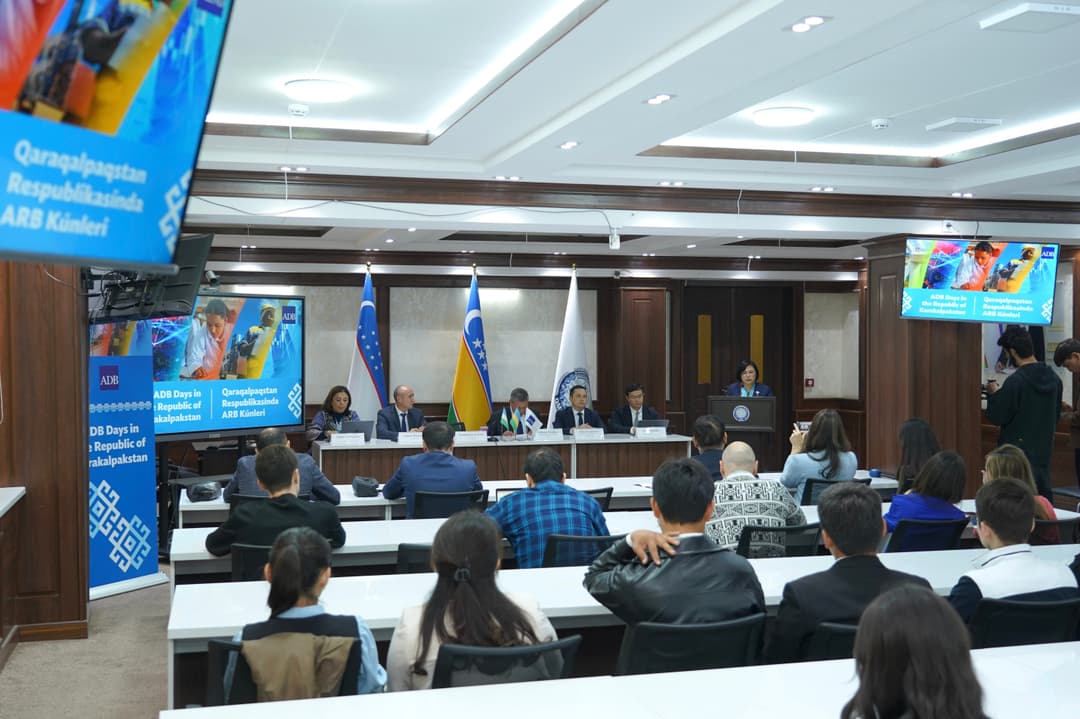
Photo: Asian Development Bank
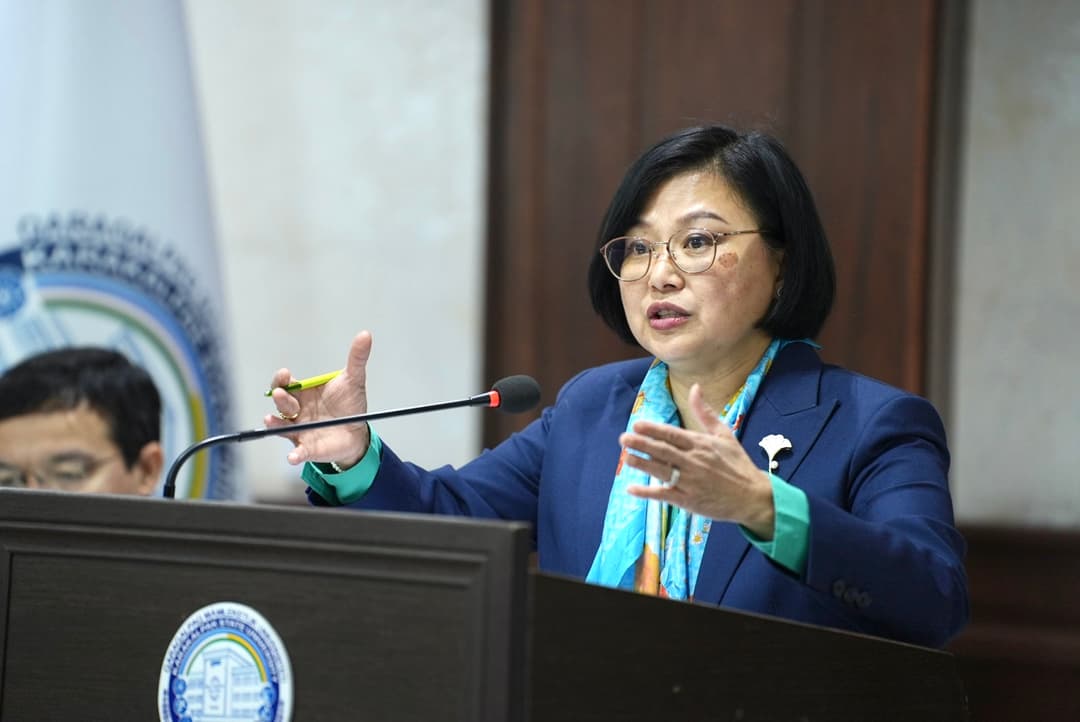
Photo: Kanokpan Lao-Araya / Asian Development Bank
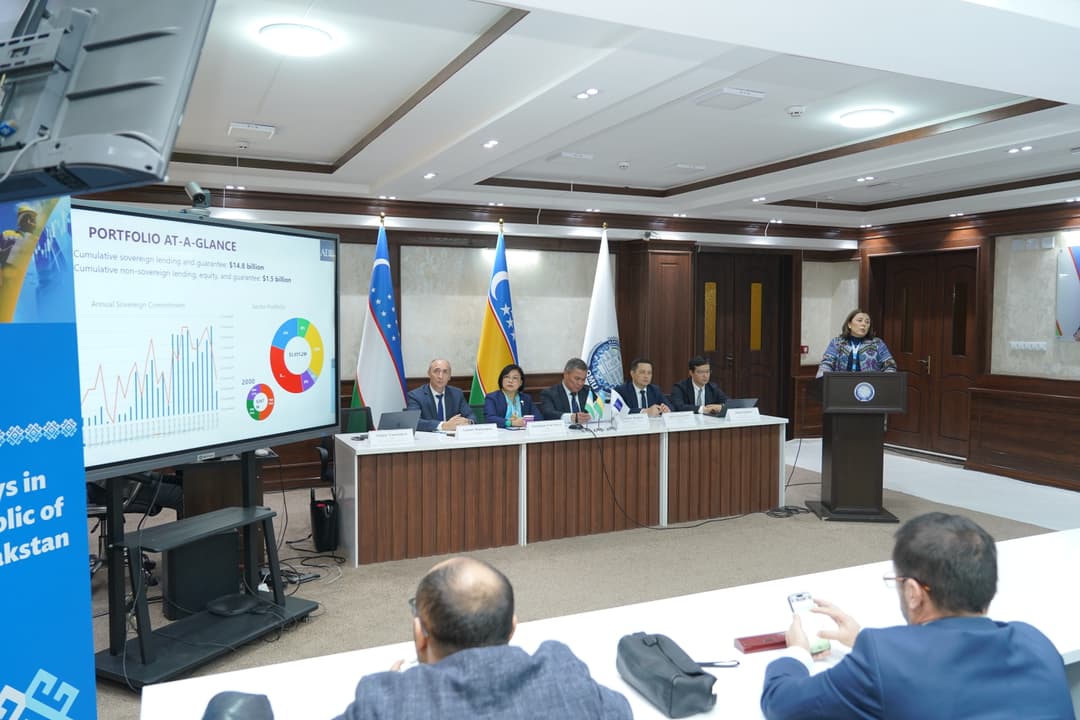
Photo: Asian Development Bank
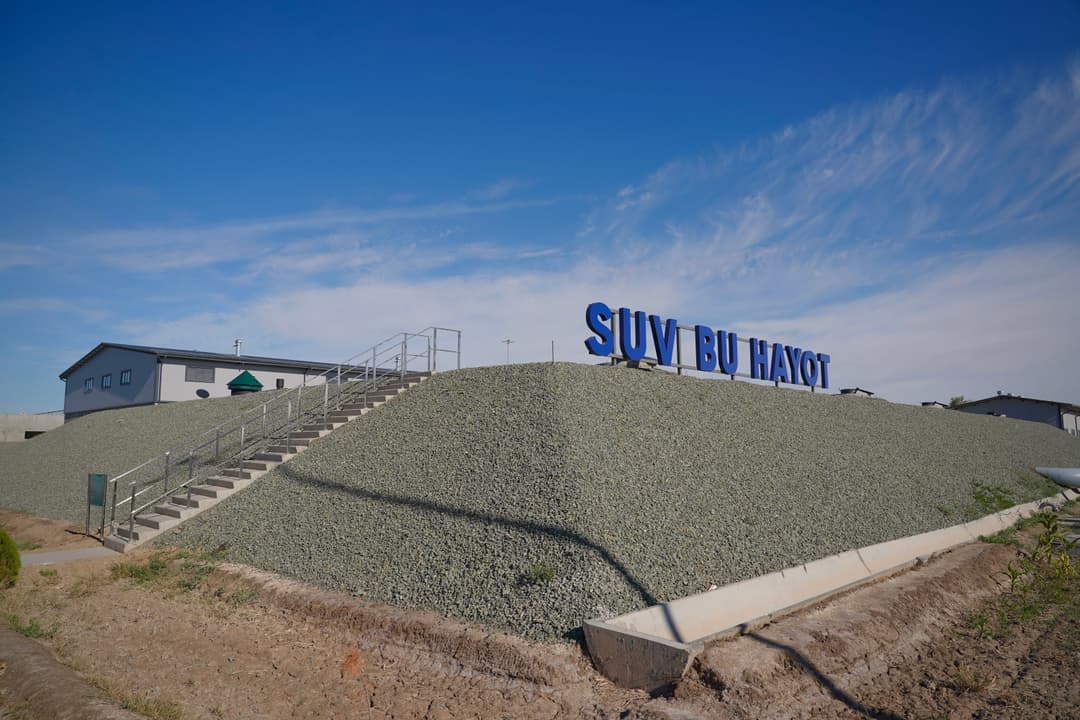
Photo: Asian Development Bank
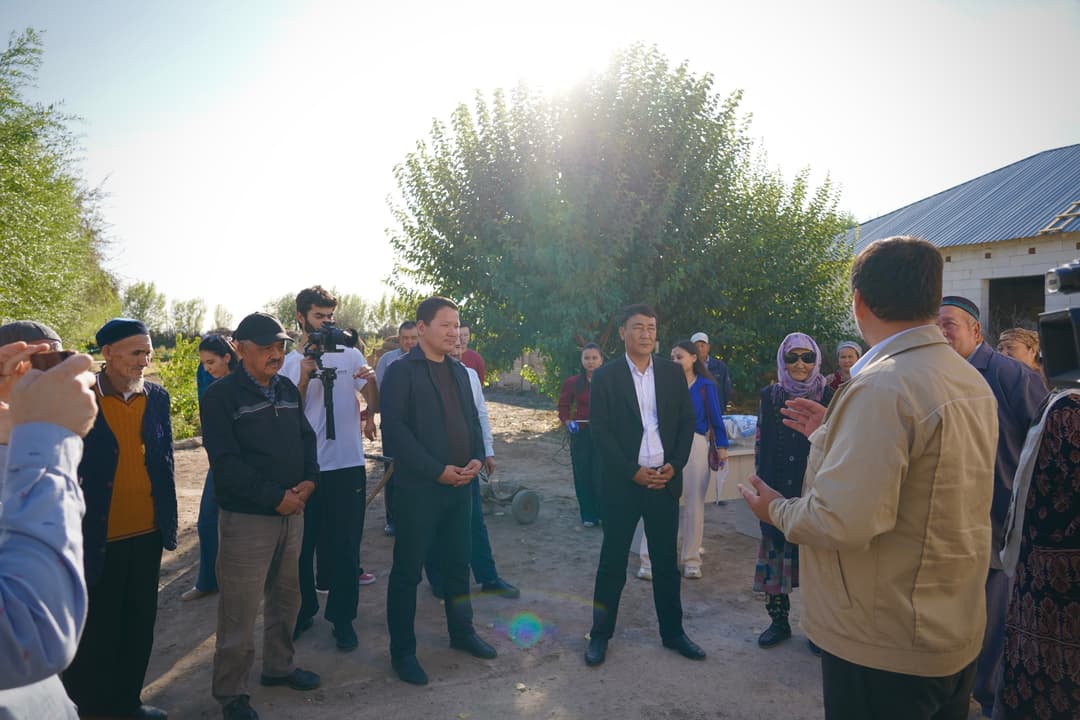
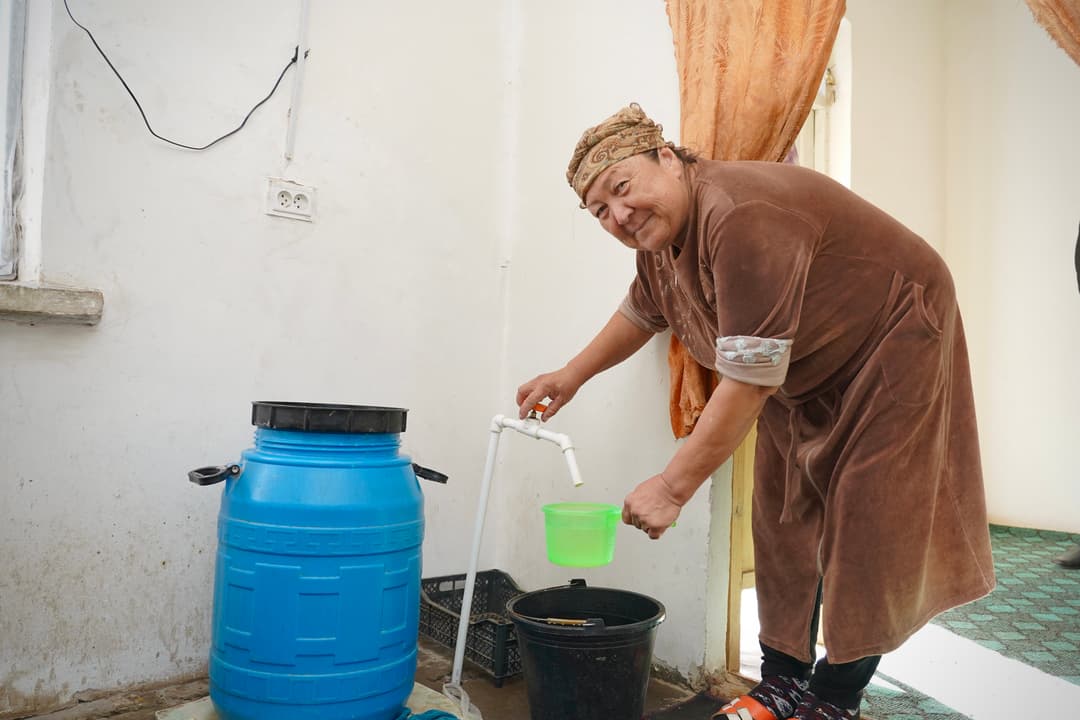
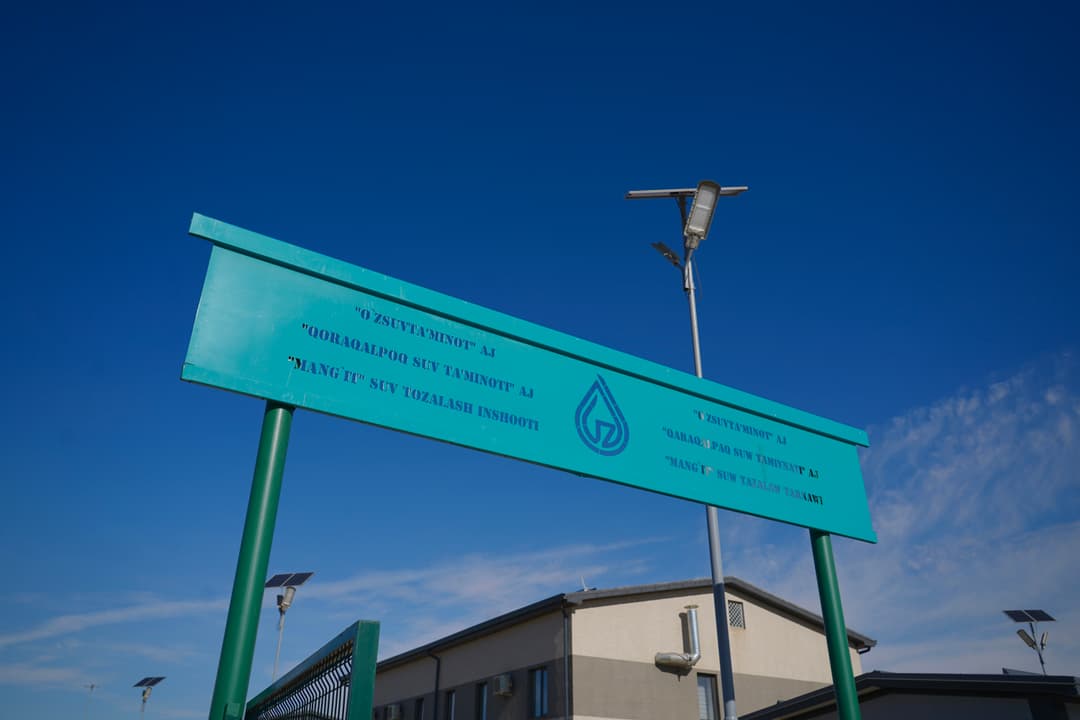
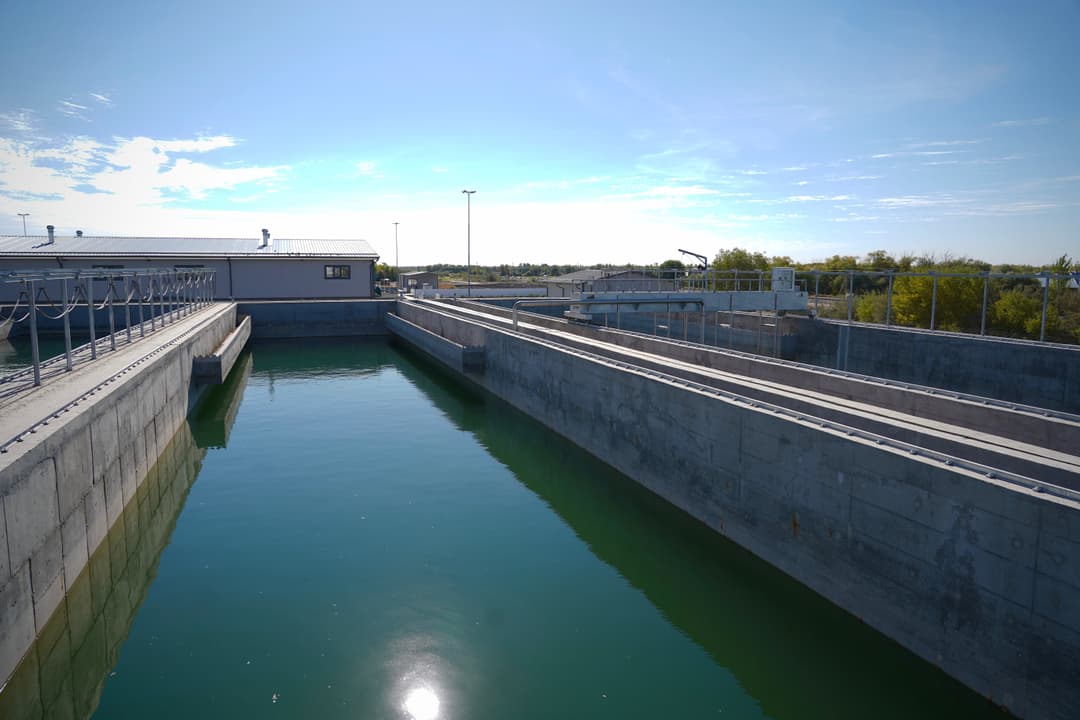
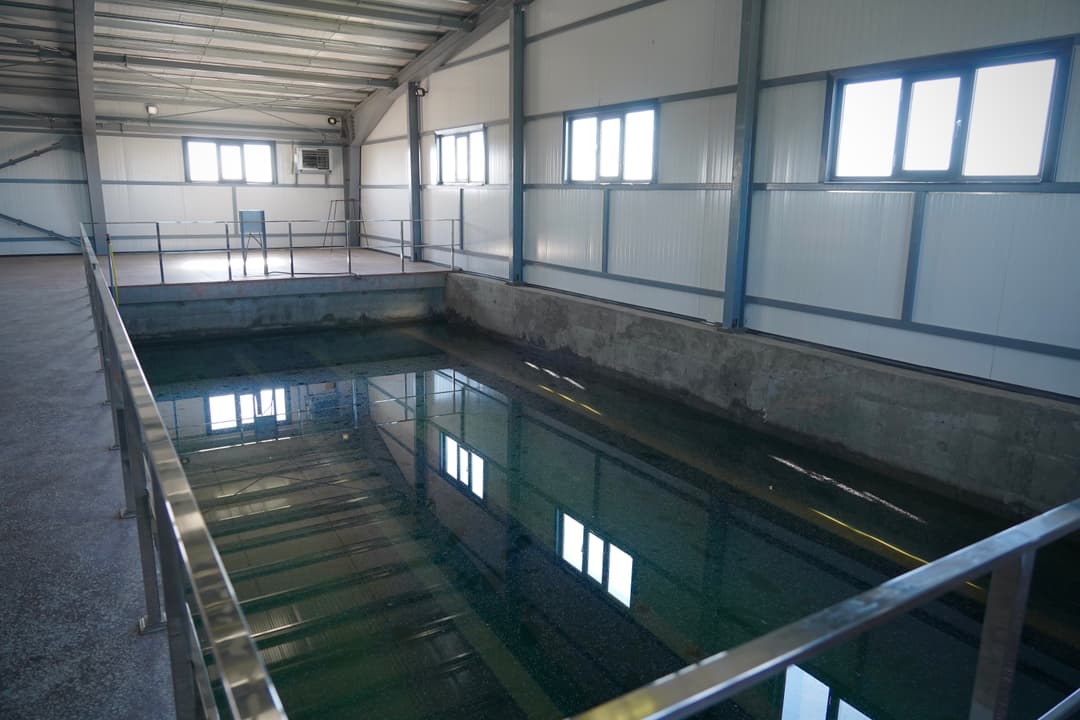
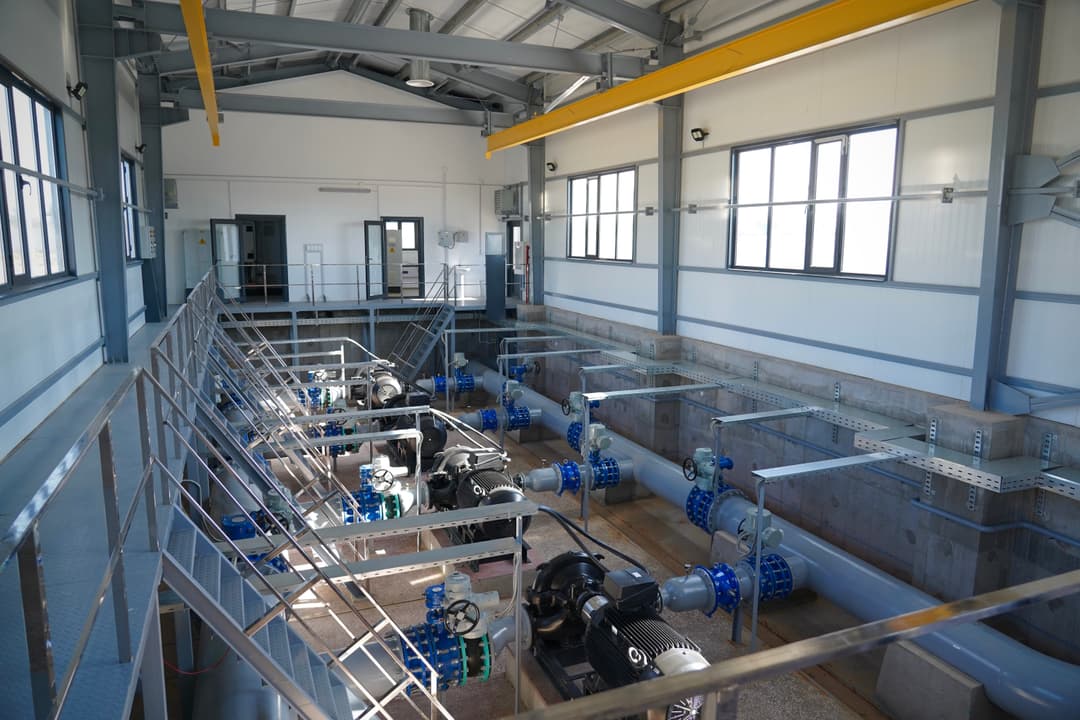
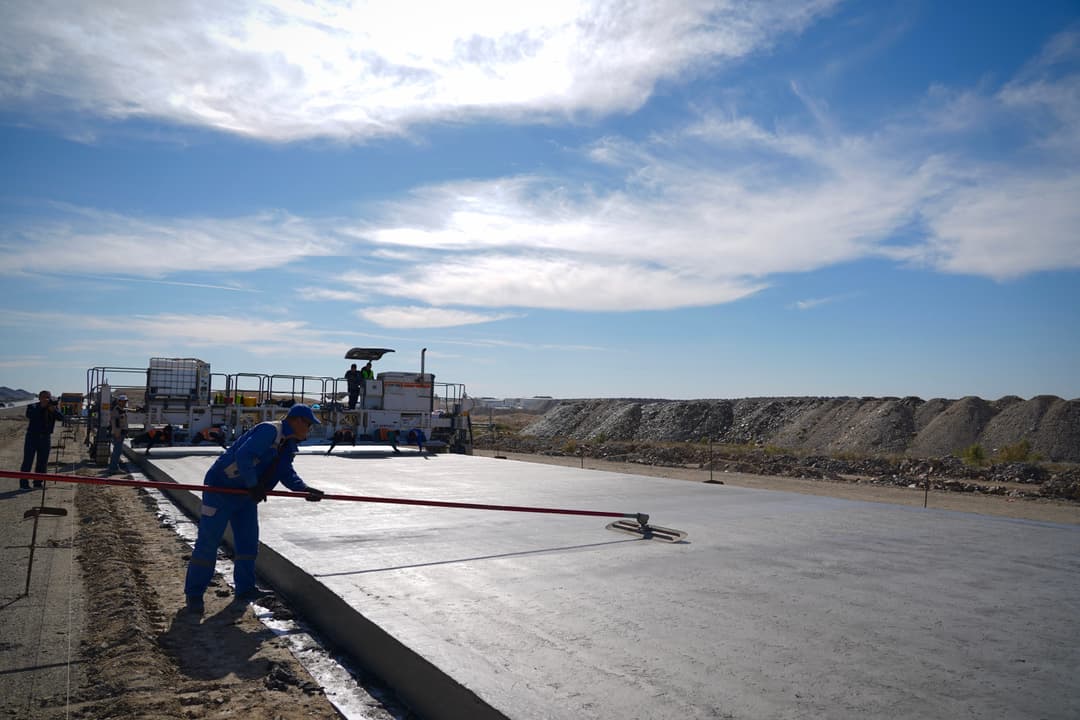
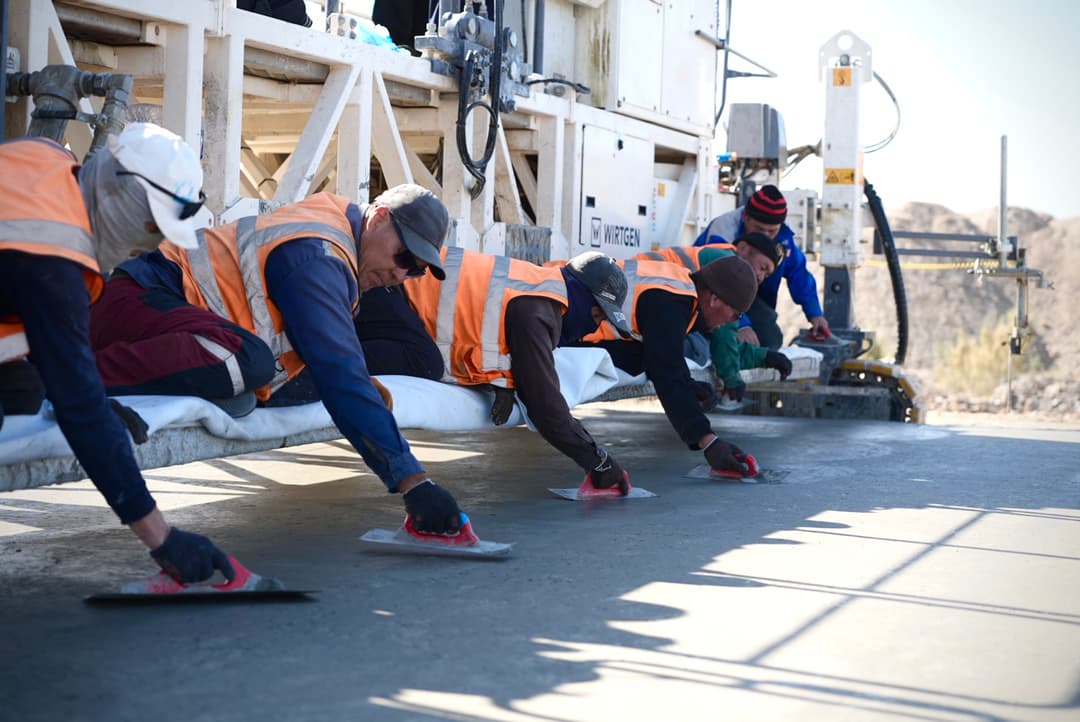
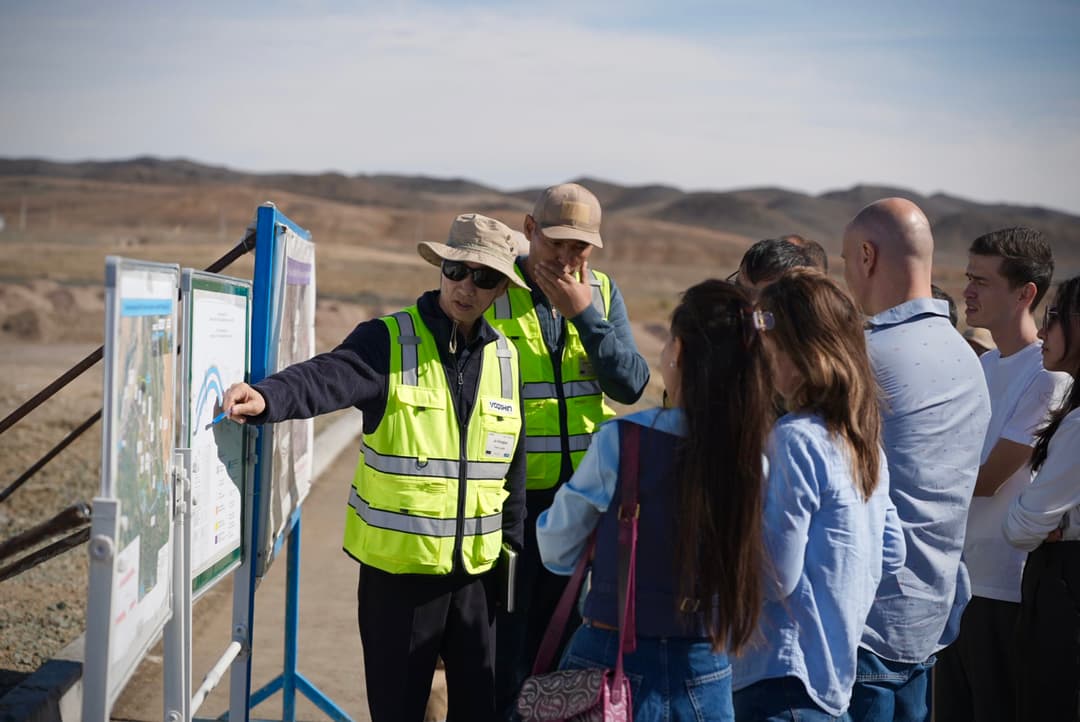
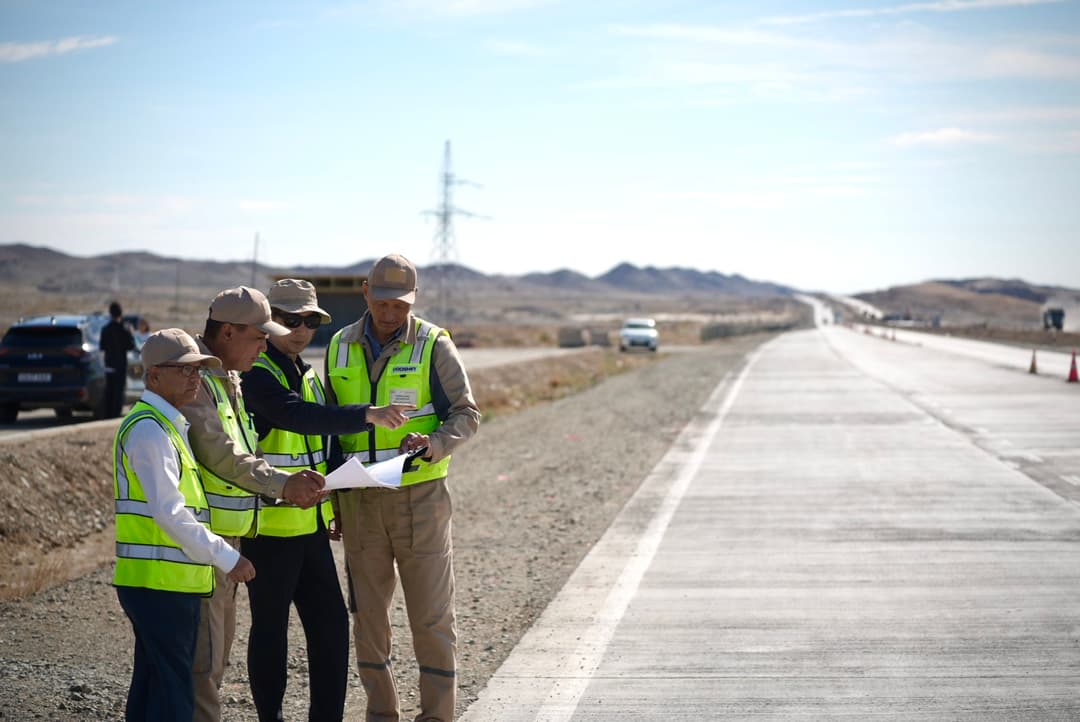
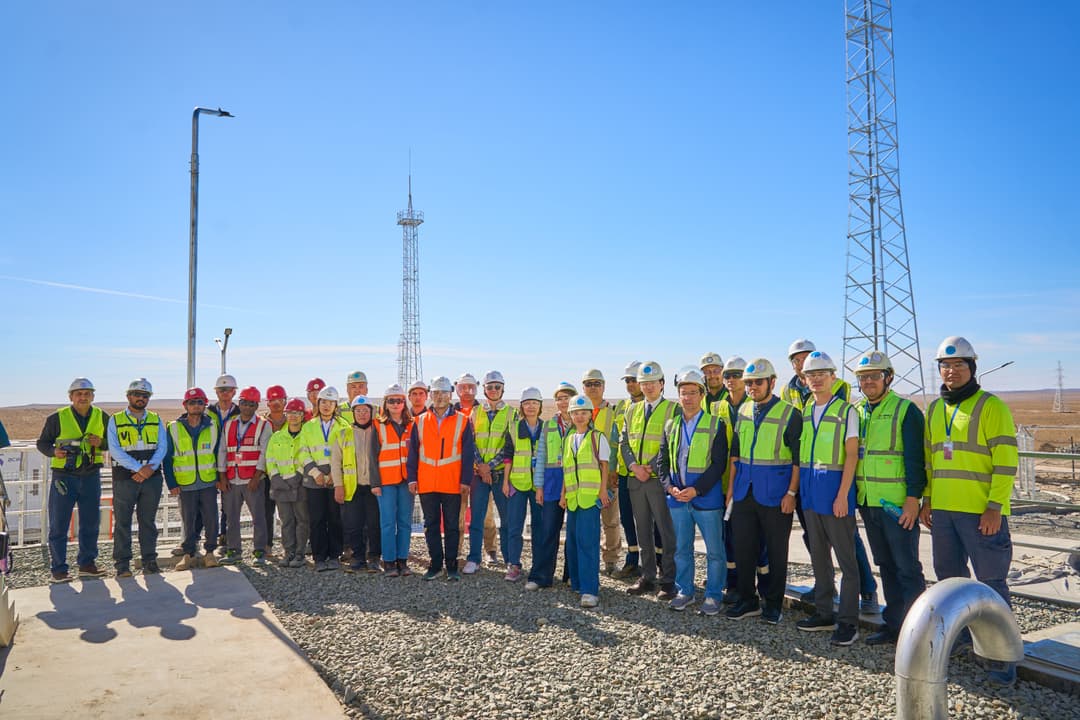
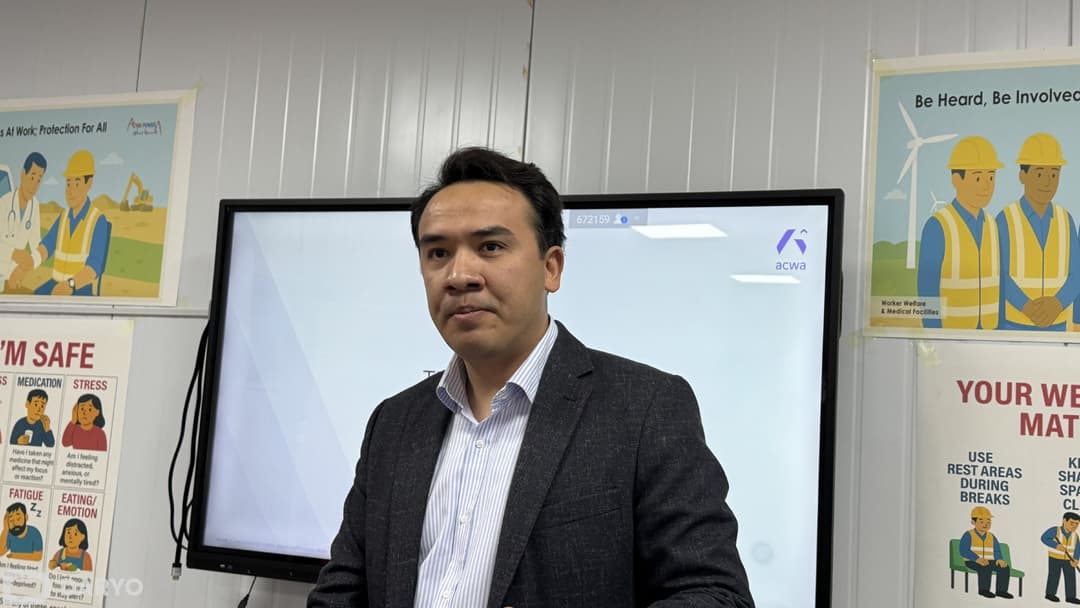
Photo: Sardorbek Mahmudov / Daryo
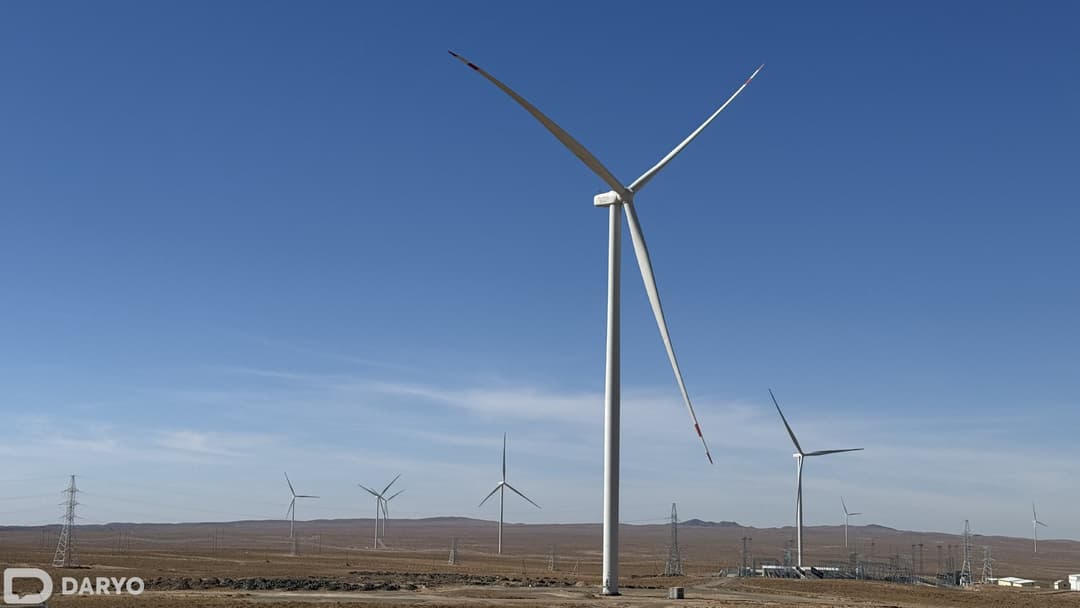
Photo: Daryo