The key facts
- The Cittaslow initiative began in Italy in 1999; there are 310 'slow cities' worldwide, 29 of them in Turkey
- Seferihisar became Turkey's first Cittaslow; Gerze received the status in 2017
- Notable sights include the ruins of Teos, the fortress in Şavşat, a hang-gliding route from Yelken Tepe hill and the Seljuk cemetery in Ahlat
Turkey leads the 'slow cities' movement
The Cittaslow initiative, founded in Italy in 1999, is intended to highlight small towns and villages that preserve local culture, traditions and cuisine. According to Euronews, of the 310 registered Cittaslow cities in the world, 29 are in Turkey. These towns are distinguished by organic markets, ancient ruins, plateaus and farmland.
The Aegean coast
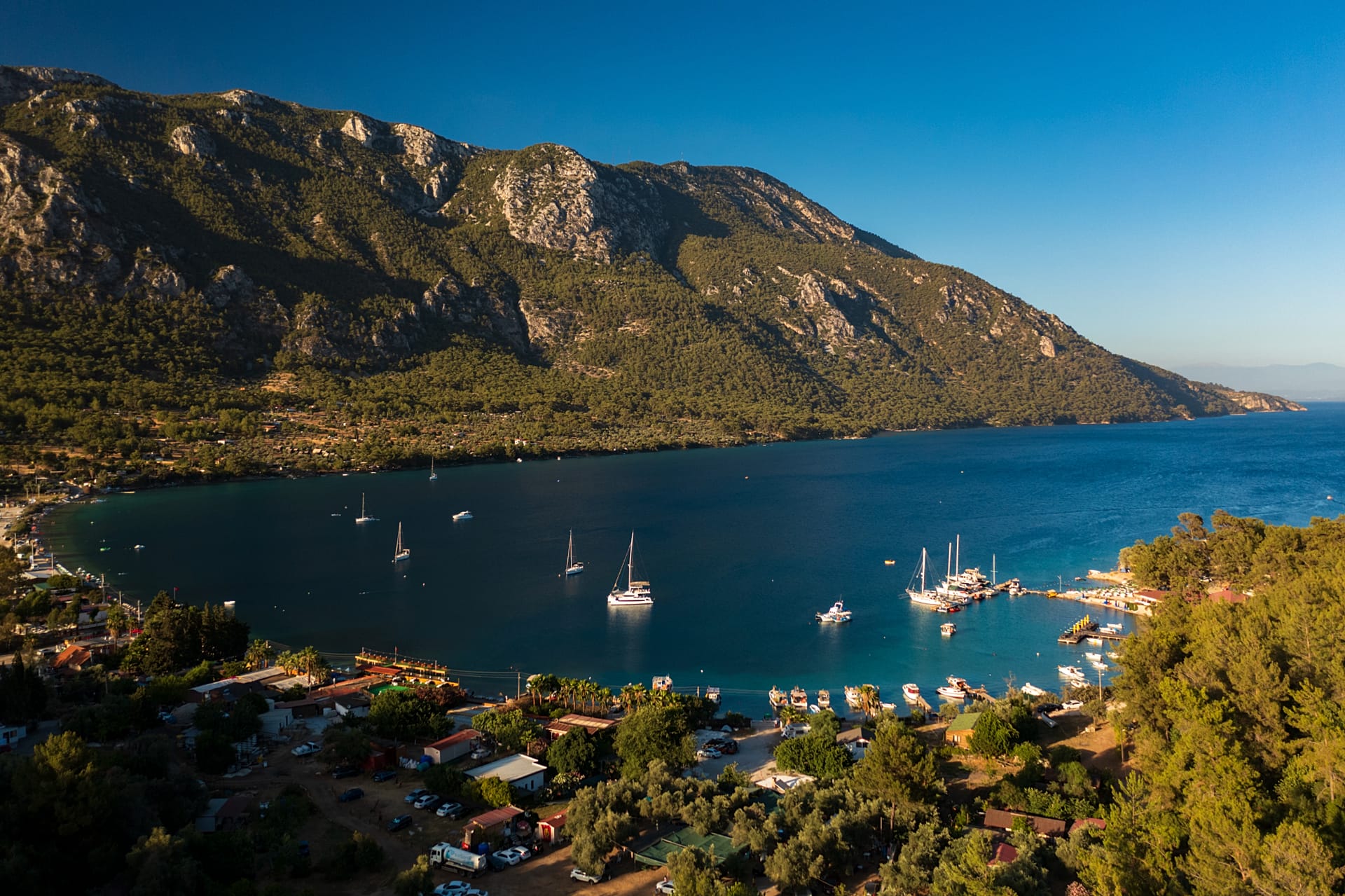
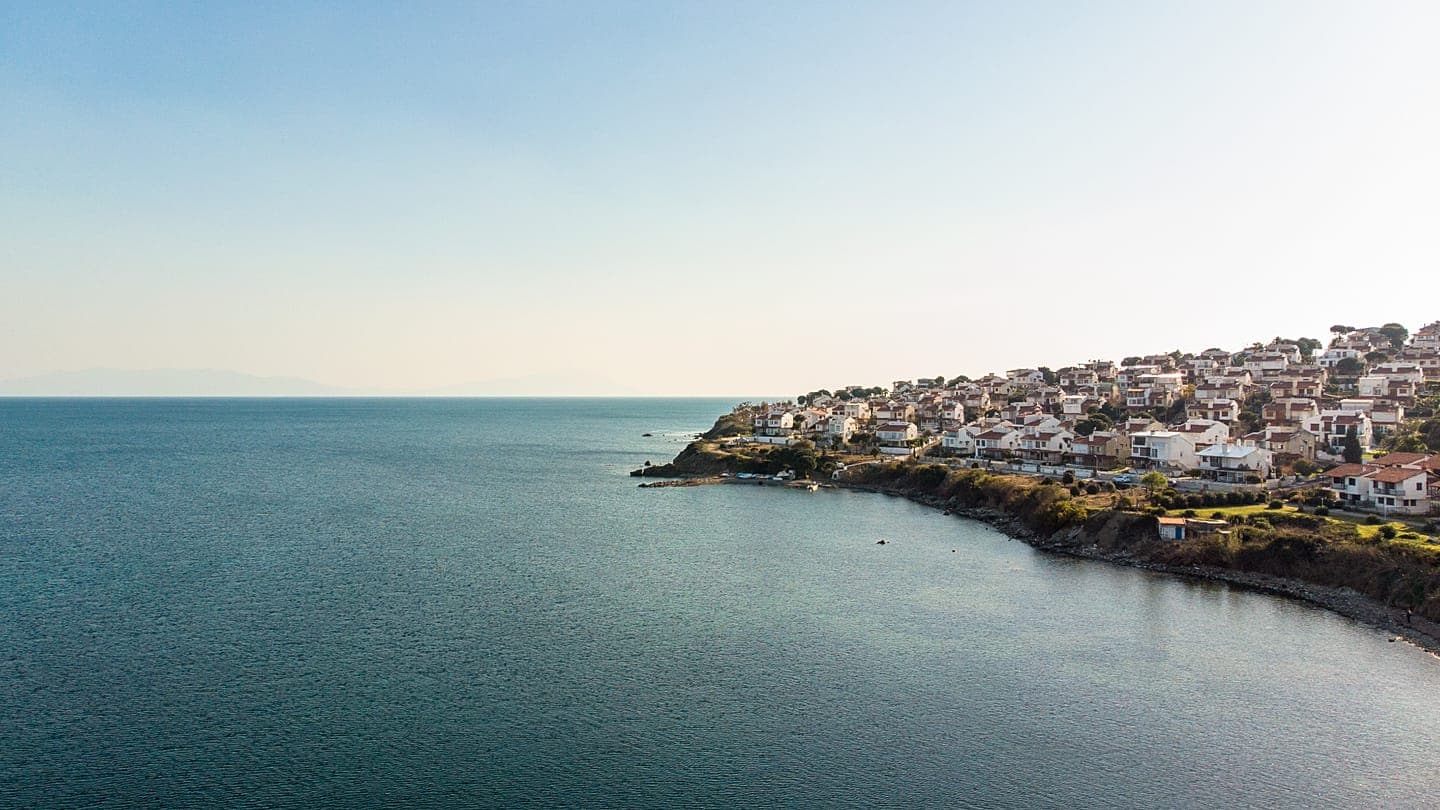
Seferihisar — Turkey's first 'slow city' — is known for its mandarin groves and organic markets; agriculture remains the main source of income. A few kilometres from the centre lie the ruins of the ancient city of Teos, and the region serves as the gateway to the Teos Vineyard Route and is part of the Ionian Route — a hiking trail linking the heritage of the ancient Ionian League. Further south, in the Gulf of Gökova, lies Akyaka, with architecture based on 18th-century Muğla Ottoman designs reworked by architect Nail Çakırhan: wooden shutters, balconies, double staircases. The Azmak River flows nearby — a protected area with boat trips and birdwatching. Gökçeada is Turkey's largest island, off its westernmost tip.
The Black Sea coast
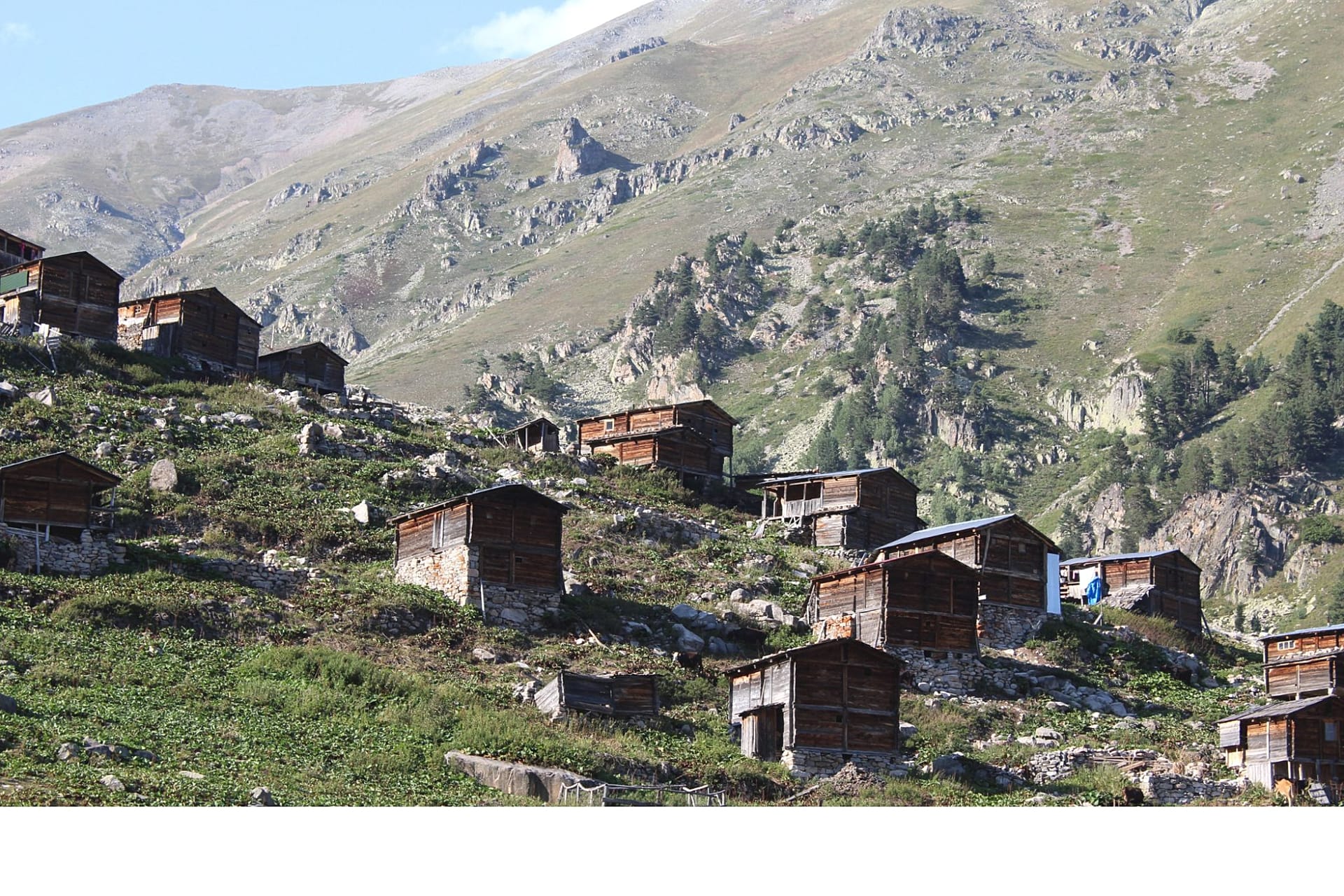
Şavşat in the eastern Black Sea region, near the Georgian border, at the foot of the Kaçkar Mountains, is inhabited by Georgians and Turks; ruins of a fortress survive there, which, according to the publication, was built in the 9th century, and in autumn the slopes with conifers, chestnuts, rhododendrons and firs are covered in golden foliage. Gerze, founded in 1400 BC and granted Cittaslow status in 2017, is called the country's 'happiest place': carved wooden toys are sold there, a Friday farmers' market operates, and there is plenty of fresh seafood. 15 km away is the tomb of Cheche Sultan, a former pilgrimage site, and from the 400-metre Yelken Tepe hill begins a 15-kilometre paragliding route — the longest in Turkey. At the western end of the coast lies Vize — the former capital of an ancient Thracian tribe — with the ruins of a Roman theatre, fortress walls from around 72 BC and remains of 6th-century pipes of an ancient aqueduct that supplied water to Istanbul.
Lake lands
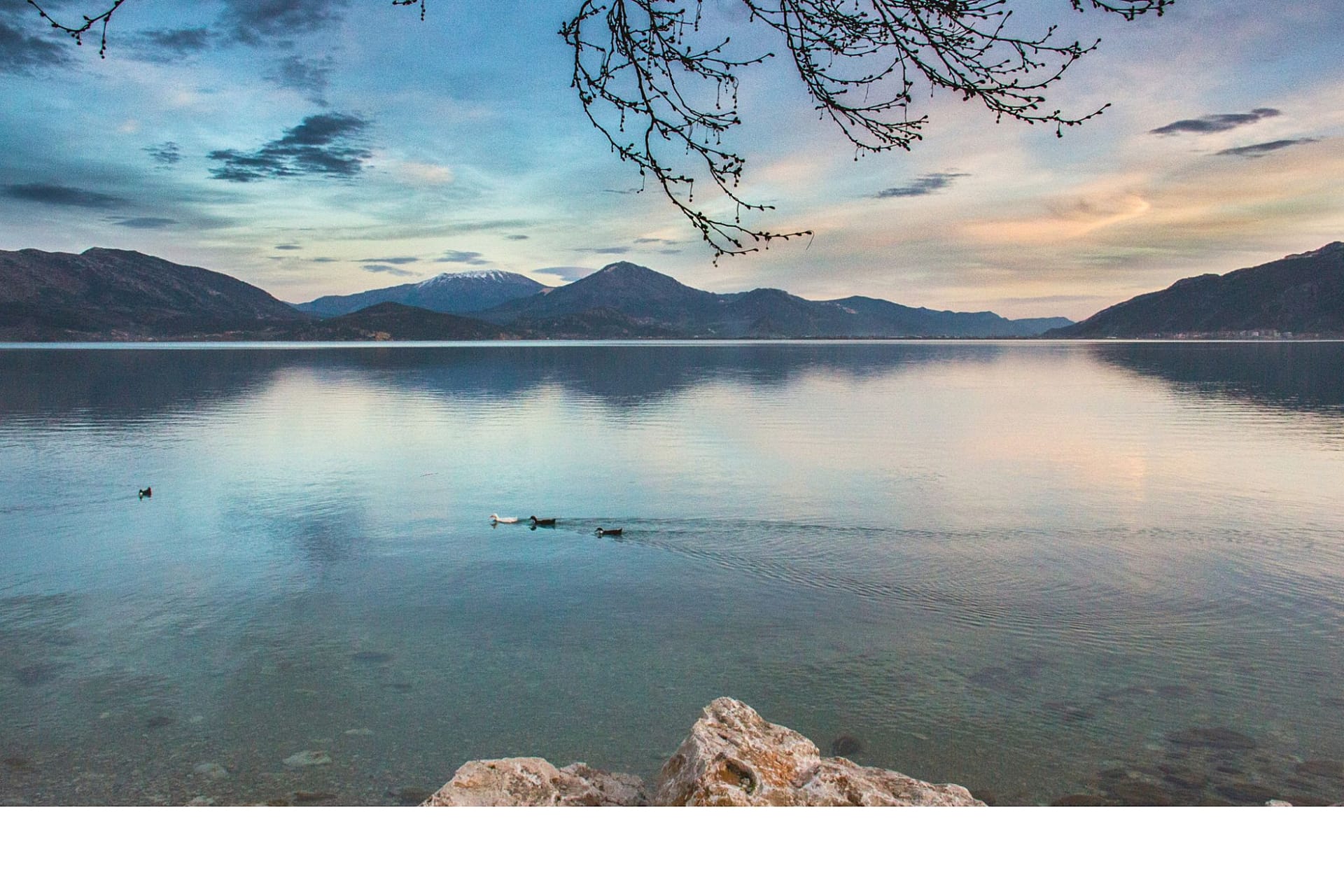
Lake Eğirdir, the fourth largest in Turkey (the country has more than 300 lakes), lies between the Anatolian plateau and the Mediterranean Sea; the town of Eğirdir on its southern shore is a popular stop on the way to Cappadocia. The islands of Can Ada and Yeşil Ada are connected to the mainland by a causeway; settlements on Yeşil Ada date back to the Eastern Roman era and are known for Byzantine (Romaic) architectural details. The town has the ruins of a castle believed to have been built by the Lydians and later rebuilt by the Romans, Byzantines and Seljuks, the Hızırbey Mosque, and restaurants serving freshwater fish: perch, eel, crayfish and carp. The country's largest lake is Van, with an area of 3,755 km²; on its shores lies the Cittaslow town of Ahlat, with Neolithic caves and thousands of carved gravestones of the Seljuk Cemetery, which is considered the largest Turkic-Islamic cemetery in the world.