The key facts
- The runoff is scheduled for October 25; the PoderData poll shows 50% for each candidate, while three earlier polls gave Bolsonaro a minimal lead
- Flavio Bolsonaro unexpectedly won the first round on October 4 with 47% of the vote; his bloc expanded its representation in Congress
- The campaign is overshadowed by the Banco Master scandal; debates on Globo will take place on October 23
A tight race ahead of the runoff
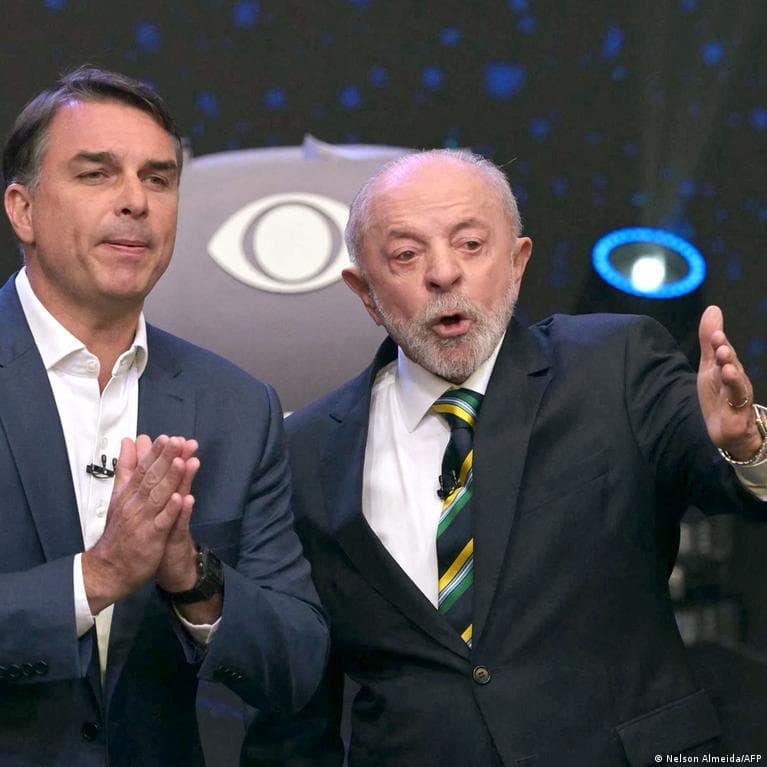
Only a few days remain until Brazil's presidential runoff, scheduled for October 25, and neither the incumbent left-wing president Luiz Inacio Lula da Silva nor the right-wing populist Flavio Bolsonaro is a clear favorite. Three polls from last week showed a minimal lead for Bolsonaro, but the institute PoderData now forecasts 50% support for each candidate.
The first round and the balance of power
Flavio Bolsonaro unexpectedly won the first round on October 4, taking 47% of the vote. His right-wing bloc also gained many additional seats in Congress, mainly at the expense of centrist parties. In the week after the first round, polls showed Bolsonaro with an advantage of up to six percentage points. The 2022 election was similarly tense, when Lula, with 50.9%, narrowly defeated Flavio's father, Jair Messias Bolsonaro, who was later convicted for attempting a coup to hold onto power.
Campaign dynamics
Last week, Lula gained momentum thanks to mass rallies across the country and an active social media presence. Bolsonaro, by contrast, scaled back street campaigning, relying on his high poll numbers, which, according to DW's assessment, proved to be a mistake. Now he, too, is once again mobilizing supporters at large rallies across Brazil.
Polarization and the 'third way'
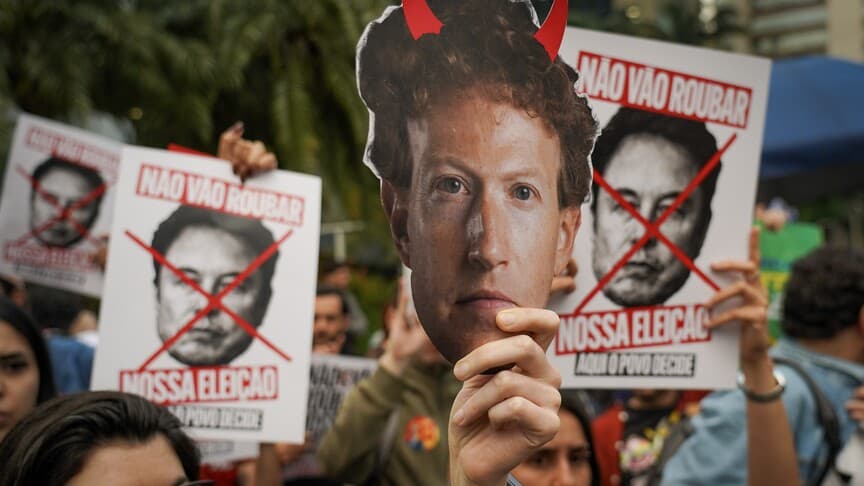
The confrontation between Lula's left-wing camp and Bolsonaro's far-right bloc has defined Brazilian politics for the past decade. Jair Bolsonaro rose to national prominence during the impeachment of Dilma Rousseff in 2016, won the 2018 election while Lula was serving a prison sentence in a corruption case, and after the conviction was overturned, the former trade union leader returned to politics in 2022. Political scientist Marco Aurelio Nogueira told DW that polarization has led to the disappearance of centrist parties and of a political alternative: 'The divide between Lula and Bolsonarism has paralyzed Brazilian politics, and everything that did not belong to one of the poles has vanished.' According to him, social media fuels polarization: 'Platform algorithms thrive on conflict and reward emotions.'
Flavio Bolsonaro's style
Nogueira believes that Flavio Bolsonaro's calm manner explains his real chances of beating Lula, unlike his father in 2022: 'Jair Messias Bolsonaro was a crude, rhetorically aggressive figure. Flavio, on the other hand, positions himself as more moderate and gives Bolsonarism a younger look. He communicates skillfully, posts high-quality videos, and raises workers' issues, such as introducing a five-day workweek.' Lula's promise to shorten the workweek gave his campaign a boost; alarmed by his rising ratings, Bolsonaro abandoned his opposition and voted for the five-day week. Bolsonaro has also softened his stance on fiscal policy: having announced before the first round a harsh budget cuts policy modeled on that of his Argentine libertarian ally Javier Milei, he now intends to preserve Lula's social programs. At the same time, he has not presented a plan to reduce the high public debt.
The Banco Master scandal
The campaign is overshadowed by a major corruption scandal surrounding the insolvent bank Banco Master. The bank's former owner, Daniel Vorcaro, is under investigation on suspicion of fraud, money laundering, and corruption. He is accused of bribing decision-makers in politics, finance, and the judiciary. According to available information, several Supreme Court justices are implicated in the scandal, which involved dubious sex parties and payments in the millions — both from Lula's camp and appointed by Jair Bolsonaro. Flavio Bolsonaro is alleged to have received goods and services from Vorcaro, including a 10 million euro donation for a film about his father's life. However, Lula has failed to benefit from his rival's alleged misconduct: his own son is implicated in another corruption scandal, and Bolsonaro has repeatedly reminded voters of Lula's 2017 corruption conviction, which was later overturned by the Supreme Court.