The key facts
- The US announced a deal to ease sanctions on Russian diesel to lower fuel prices; the average gasoline price in the US reached $4.27 per gallon
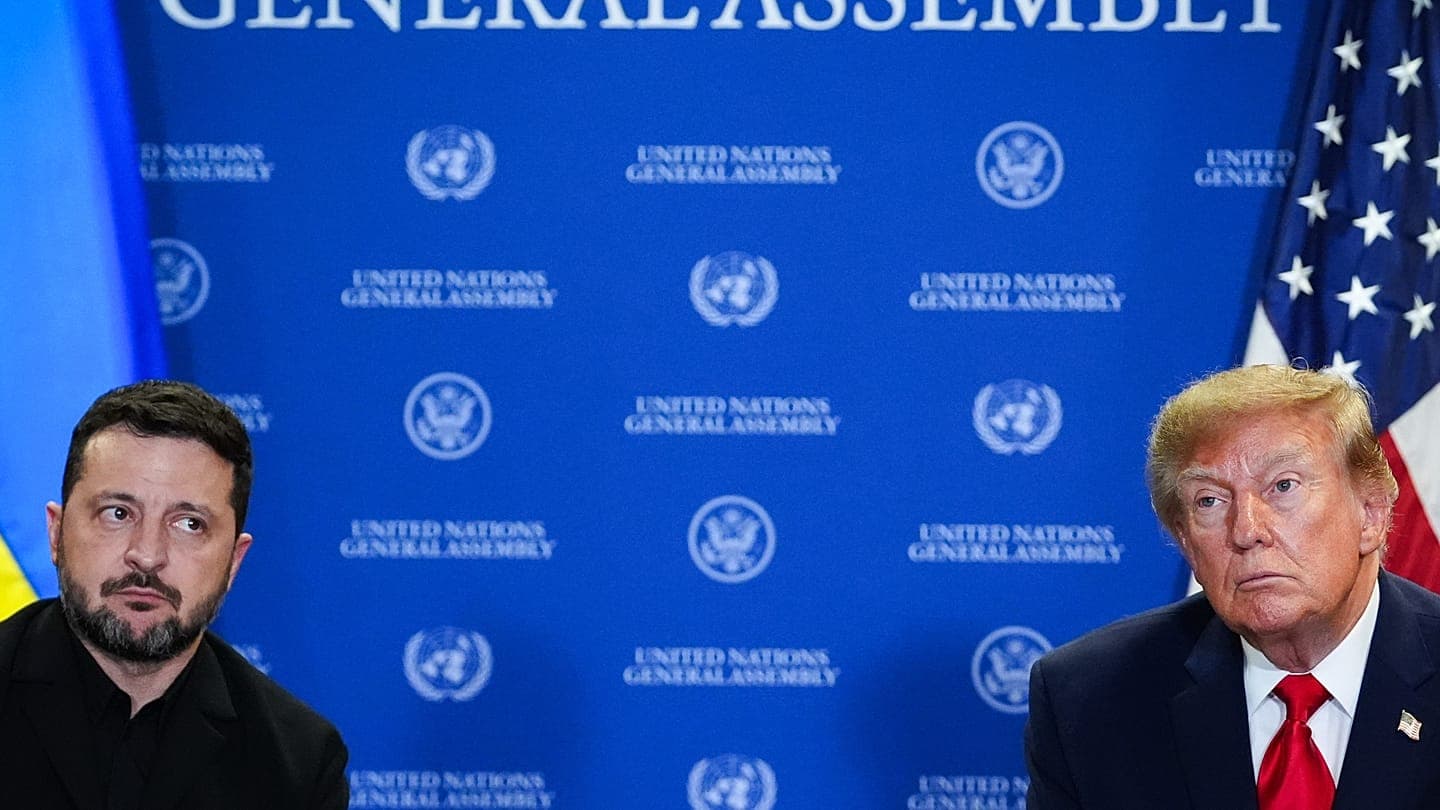
- Trump accused Zelensky of creating 'problems for our ranchers, our farmers and the whole world' and hinted that Ukraine needs a new leader
- Zelensky at the EU summit: the war in 2027 will cost €155 billion, €70 billion must be financed by Europe; the Commission must present options by November
Diesel deal and rising fuel prices
According to Euronews, this week the US announced a deal to ease sanctions on Russian diesel in an attempt to lower fuel prices. The columnist calls the deal 'deeply flawed': it gives Russia additional income with no conditions attached, while bringing only temporary relief in return. The average gasoline price in the US reached $4.27 per gallon. A significant part of the price rise is linked, in the author's view, to the consequences of the US and Israel war against Iran: Tehran has 'successfully weaponized' the Strait of Hormuz, blocking about a fifth of the world's oil supply.
Trump's accusations against Zelensky
According to Euronews, Trump, fearing the midterm elections, has chosen a scapegoat — Zelensky. He accused the Ukrainian president of creating 'problems for our ranchers, our farmers and the whole world' and suggested that Zelensky, whom he previously called a 'moderately successful comedian,' talks about wanting peace while acting against it, so Ukraine needs a new leader. The author notes that Trump has never used such language toward Putin and has never demanded free elections from him, which points to the 'striking bias' of the mediating country. At the same time, the author acknowledges the corruption scandals surrounding Zelensky's circle, but considers him right that strikes on Russian refineries are legitimate, since they finance the war machine.
Washington's calculation and the question of territories
In Euronews' assessment, Washington sees the war as a war of attrition with a frozen front and believes Putin can be brought back to negotiations through business deals and economic incentives; the author considers this approach mistaken, citing Putin's 2021 essay 'On the Historical Unity of Russians and Ukrainians.' Questions remain unanswered: what security guarantees Kyiv will receive and what will happen to the European security architecture after a hypothetical territorial swap.
Zelensky in Brussels: €155 billion for 2027
Zelensky arrived at the European Council summit on Friday, thanked the EU institutions and leaders, calling them 'true leaders' — a clear jab at Trump. He said the war next year will cost €155 billion, of which €70 billion must be financed by the Europeans, and called his estimate realistic. This means Kyiv is planning for the war to continue for at least another year, while the US is no longer providing aid. Last year's EU loan of €90 billion, designed for two years, is already insufficient, and Ukraine is unlikely to be able to repay it.
Europe's fatigue and the search for money
EU High Representative Kaja Kallas told Euronews in an interview that European public opinion has changed compared with four years ago — fatigue is evident. Marine Le Pen, leading in French polls, said in Brussels that France is 'on the verge of default' and can no longer contribute to the common pot for Ukraine; the German AfD holds a similar position. They are a minority in the EU Council, but the parties successfully exploit social and economic discontent. Leaders tasked the European Commission with presenting options to close the financial gap by November. Macron told journalists that it is too early to talk about €70 billion, but several diplomats told Euronews that Brussels will likely have to issue new debt; the idea of using frozen Russian assets remains, in the author's assessment, 'an almost unattainable dream.'