The key facts
- Settlers beat mayor Baudouin and, the day before, photographer Heidi Levin, who suffered fractured vertebrae
- Rubio: Trump does not want a 'new spark' in the West Bank; France and Belgium demand the arrest of those responsible
- Netanyahu accused the diplomats of failing to coordinate and called the incident a 'smear campaign'
Attack on diplomats and the mayor
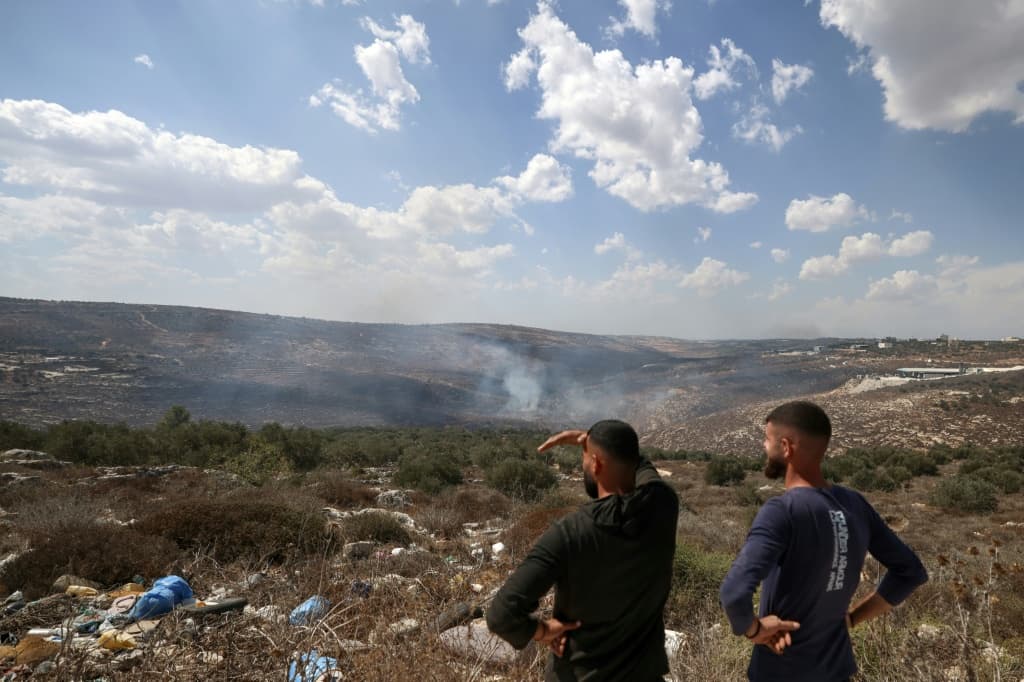
On Saturday, Israeli settlers attacked a convoy of European diplomats in the West Bank of the Jordan River and beat 78-year-old Bernard Baudouin, mayor of the French town of Ounua-Emery, witnesses told AFP. The mayor, wearing a scarf with the French tricolor, came to the Christian town of Tayibe together with a local pastor to sign a goodwill agreement, and joined Palestinian farmers in the olive harvest along with representatives of France and Belgium from Jerusalem and Polish diplomats. According to him, masked settlers shouted insults at France, beat him with kicks and iron rods. Hospitalization was not required. 'If settlers behave like this, it means there is tolerance on the part of the Israeli government,' Baudouin told AFP, adding that those who live here permanently suffer the most.
Reaction of France, Belgium and Israel
French Foreign Minister Jean-Noël Barrot said Israel must 'urgently stop the criminal violence' and arrest the attackers; a similar call was made by his Belgian counterpart. Israel's Foreign Ministry condemned the attack on the diplomats, and the police promised to conduct an investigation. Prime Minister Benjamin Netanyahu, on the contrary, spoke of a 'smear campaign' against the settlers, noting that the diplomats should have coordinated their movement with the Israeli army, and pointed out that Baudouin is a communist known for supporting the Palestinian cause. His election rival, former chief of staff Gadi Eisenkot, called the attacks 'Jewish terrorism under the auspices of the Israeli government' and said the violence is 'burning away the remnants of Israel's legitimacy.' President Isaac Herzog called the injured photographer in the hospital and called the attack 'outrageous and shocking.'
Context of growing violence
The day before the incident, settlers beat American Washington Post photographer Heidi Levin, who was in fair condition on Saturday with fractured vertebrae. Earlier this month, settlers beat AFP photographer Jaafar Ashtiyeh, breaking several of his ribs and taking his camera. Violence is intensifying against the backdrop of the October 27 elections and the annual Palestinian olive harvest, which settlers have repeatedly disrupted. The priest from Tayibe, Bashar Fawadle, told AFP that settlers attacked harvesters and stole olives: one person suffered a head injury and needed stitches, and an elderly woman over 70 was also beaten. Extremist-minded Israelis called for stopping the harvest; at the same time, last month a Palestinian shot dead a settler.
US reaction and international situation
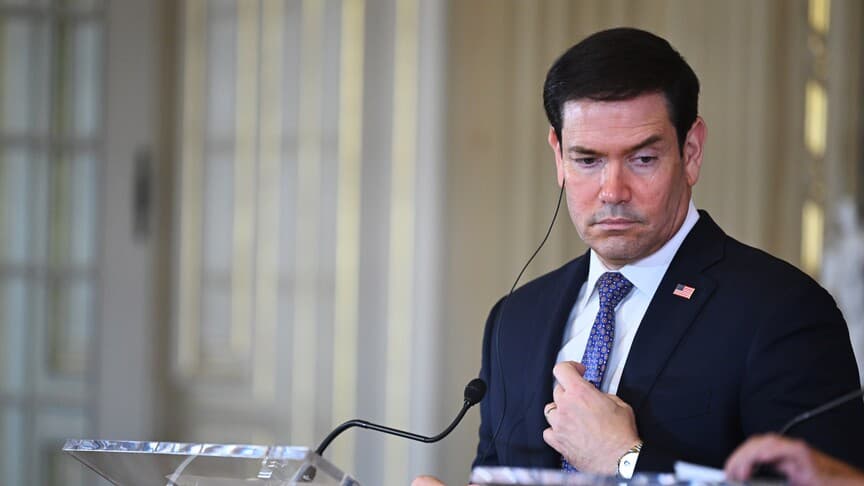
US Secretary of State Marco Rubio told journalists that Washington is 'very concerned' by what it saw, adding that President Donald Trump 'does not want to see friction or a crisis in the West Bank' and 'does not want to see a new spark.' Rubio also mentioned the harvest season and noted that complaints had been received about other incidents as well. US Ambassador Mike Huckabee called the beating of Levin 'an abhorrent act of terror committed by masked cowards' and demanded that Israel try and jail the attackers. Britain initiated economic sanctions, after which Israel closed the British consulate in Jerusalem. The head of the umbrella settlers' organization, Israel Ganz, blamed 'groups of provocateurs and terrorists' for the recent incidents, effectively acknowledging the involvement of some Israelis. Netanyahu's government expanded approval of settlements in the West Bank, where about 500,000 Israelis and three million Palestinians live; the territory was captured by Israel in 1967, and the settlements are illegal under international law.