The key facts
- In 2024, 4,793 new breast cancer cases and 2,085 deaths were registered in Uzbekistan (data from the International Agency for Research on Cancer).
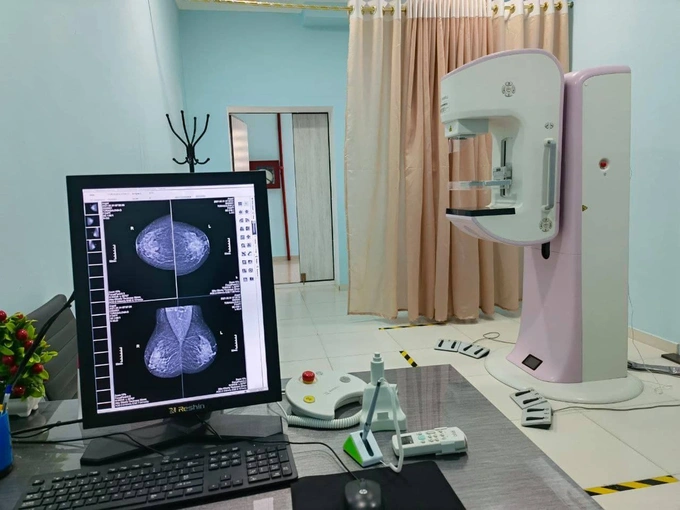
- The number of mammography machines for screening grew from 31 to 51; women aged 45–65 receive a free mammogram every two years (resolution No. 402).
- Experts warn: turning to healers instead of doctors leads to lost time and advanced stages of the disease.
Statistics and reason for publication
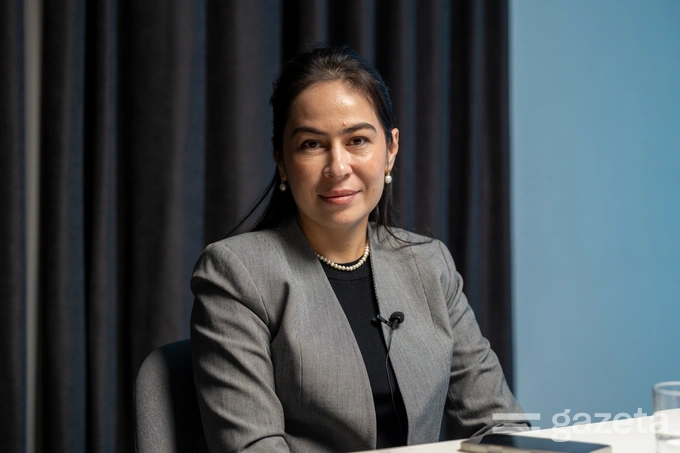
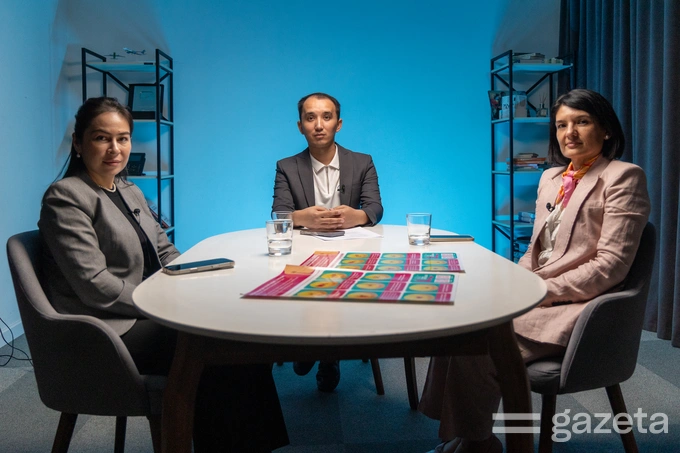
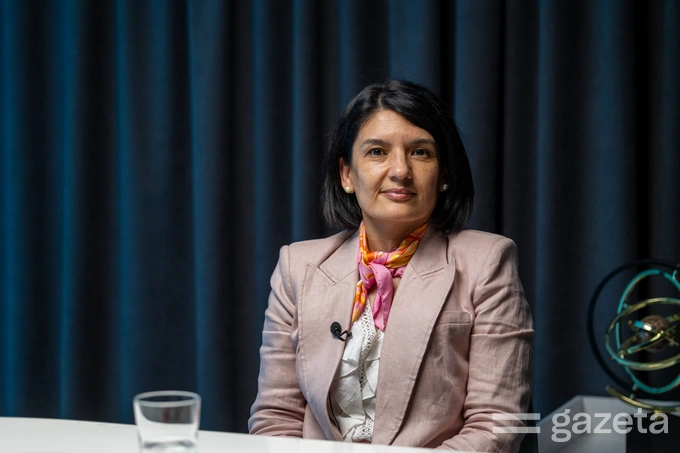
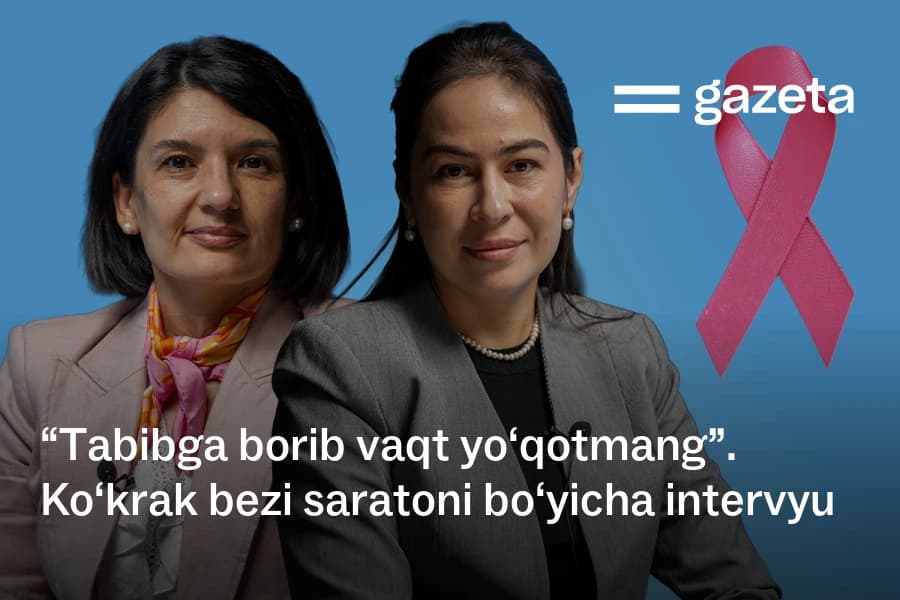
Breast cancer is the most common type of cancer among women, and many deaths from it are recorded in Uzbekistan. According to the International Agency for Research on Cancer, 4,793 new cases were registered in the country in 2024, and 2,085 women died. In connection with Breast Cancer Awareness Month, Gazeta correspondent Miolim Isadjonov spoke with two experts: Lola Zokirova — PhD, onco-mammologist and surgeon, working since 2012 at the Republican Specialized Scientific and Practical Medical Center of Oncology and Radiology, and Dilfuza Aniyozova — obstetrician-gynecologist, candidate of medical sciences, international expert on public health, working at the Project Office of the Agency for Strategic Development and Reforms under the president.
Symptoms, risk groups and heredity
According to Zokirova, the main signs of the disease are: a lump or nodule in the breast, redness and swelling, discharge from the nipple (including bloody), and long-non-healing ulcers on the skin. In early stages there may be no symptoms, so it is important to undergo examinations regularly, even when feeling well. In 15 years of practice, the doctor has not encountered the disease in unmarried girls; her youngest patient was 25 years old. The disease is more common in women aged 30–45, mostly in those who have given birth; refusal of breastfeeding in some cases also affects the risk. The disease is rarely detected in men — according to her observations, one or two cases per year in her hospital. Risk factors: hereditary predisposition, hormonal changes, obesity (fat tissue produces estrogen), first childbirth after age 30, and taking hormonal drugs without a doctor's prescription. Zokirova emphasized that having a risk factor does not mean cancer will necessarily develop. Heredity can be checked genetically — testing of the BRCA1 and BRCA2 genes helps identify mutations that increase the risk of breast and ovarian cancer; a positive result does not guarantee the disease, and a negative one does not exclude the risk. She also recommended healthy nutrition, physical activity, moderate consumption of processed meat and snacks, and noted the harm of prolonged stress.
Situation in the country and screening
According to Zokirova, in 2025 about 26 thousand women with breast cancer were placed on dispensary registration — 12.9 per 100 thousand women. Previously, most patients presented at the third and fourth stages; now early diagnosis capabilities are expanding, and in 50.8% of patients the disease was detected at the second stage. Aniyozova said that before the adoption of presidential resolution No. 402 in 2025, equipment and specialist training were studied. At the start of the program there were 31 mammography machines in the country, now there are 51; 14 additional machines have been installed, and the agency facilitated the purchase and installation of five modern stationary mammography machines of Japanese manufacture — in the Kungrad district, Andijan, Termez, Urgench and the Ishtikhan district. The goal is to bring examinations closer to the population. The shortage of mammologists is being addressed through professional development: 13 specialists from the Republican Oncology Center, including Zokirova, completed an internship at the Huntsman Cancer Center in Utah (USA), where they studied, among other things, biopsy and removal of affected lymph nodes, and a multidisciplinary approach to treatment is being introduced. Under resolution No. 402, women aged 45–65 receive a mammogram free of charge once every two years; women under 45 can get a free breast ultrasound at central polyclinics. Oncology offices have been created in district polyclinics, a screening registry is maintained, and if suspicious changes are found, the patient is referred to the regional oncology center — there is no need to travel to Tashkent.
Late presentation and healers
Zokirova named women's turning to healers as one of the most painful problems. Patients find a small lump, go to a healer, apply ointments and herbs, and meanwhile the tumor grows and invades the skin. Healers explain this as the 'release of bad cells,' although such changes may indicate disease progression. The doctor urged: upon discovering a lump, do not waste time with healers and immediately see a qualified specialist. Among the reasons for late presentation are also fear of chemotherapy and hair loss (which is usually temporary), concerns about the attitude of others and one's spouse, financial difficulties and opposition from relatives — some women cite a husband's or mother-in-law's prohibition, weddings and household chores. Aniyozova added that while monitoring the implementation of resolution No. 402, the agency identified fear of mammography among women in remote areas — some are afraid that 'they will find a disease,' even with a free examination. She also advised women working in cotton and grain fields to minimize contact with pesticides and use protective equipment, citing a long-term Columbia University study on the link between certain pesticides and breast cancer risk.
The 'Angelina Jolie effect' and treatment
Zokirova explained the concept of the 'Angelina Jolie effect': the actress's grandmother, mother and aunt died of cancer; after a genetic test revealed changes in the BRCA1 and BRCA2 genes, she chose preventive removal of breast tissue. The doctor emphasized that such a decision is psychologically difficult, preventive surgery is not recommended for every woman, and the question should be decided on the basis of genetic tests, individual risk and consultations with specialists. Early diagnosis also changes the scope of treatment: previously, with late stages the breast had to be removed entirely; now, thanks to mammographic screening, breast-conserving treatment is more often possible, including reconstructive-plastic surgery; depending on the stage, surgery may be performed before or after chemotherapy. When asked about the side of the lesion, Zokirova replied that cancer in one breast does not necessarily spread to the other, but in rare cases bilateral cancer is possible; metastases can affect the liver, bones, lungs and brain. In her personal practice, tumors of the left breast were more common, but this is not a general pattern.
Awareness and plans
Aniyozova reported that the agency has developed an electronic portal with accessible information about cancer diseases; its launch was planned within the next two days. First, the portal will publish data in Uzbek on breast cancer, cervical cancer and childhood cancer, and from 2027 — on other common types of cancer. Through the portal it will be possible to find out where to go, which examinations are free, which specialist to see, and to ask doctors questions. In addition, in August of this year a project was launched bringing oncologists and specialists in histological and pathomorphological diagnostics from the USA: until December 2027, professional development of Uzbekistan's oncologists is underway. The goal is to expand the possibilities of early and accurate diagnosis.