The key facts
- Maduro and Flores pleaded not guilty to the new torture charges; Judge Hellerstein interrupted Maduro and entered a not guilty plea on his behalf
- The charges were added to previously filed drug trafficking counts; the trial is scheduled for June 14, 2027
- The couple has been held in Brooklyn since January 2026 after being captured during a US nighttime operation in Caracas
Court hearing in New York
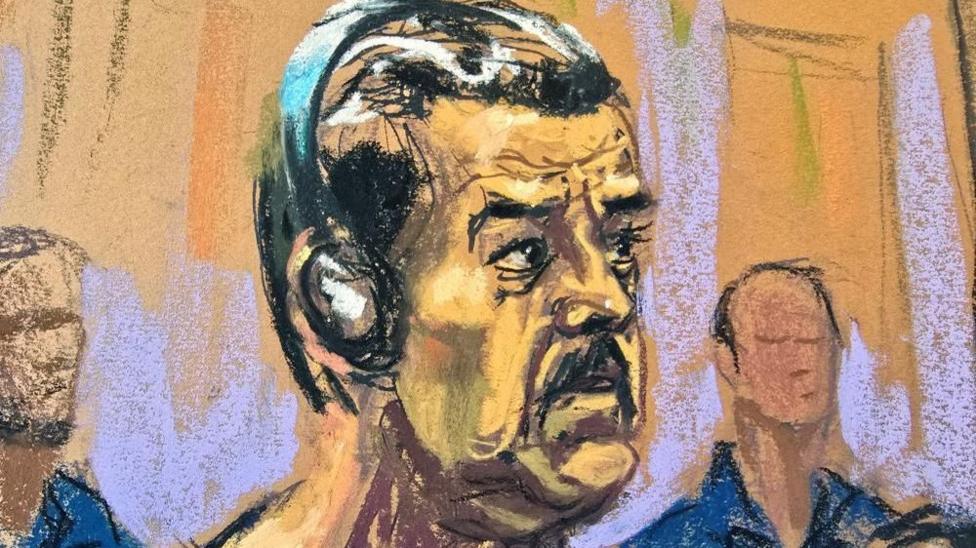
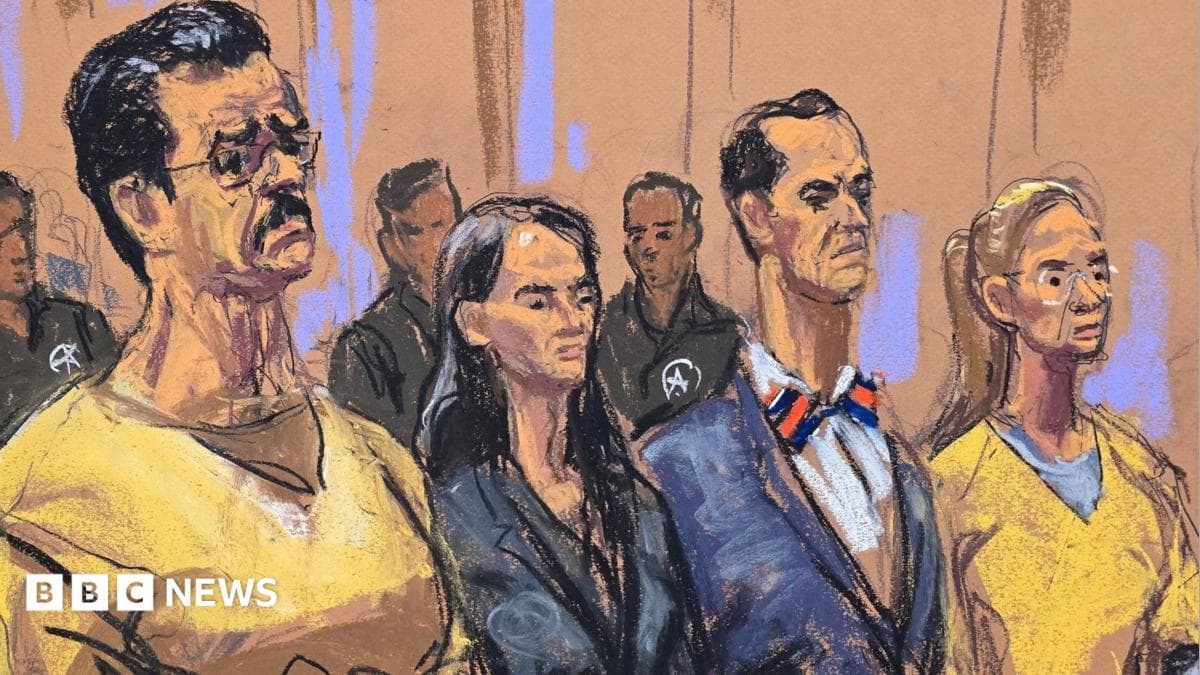
Former Venezuelan President Nicolás Maduro and his wife Cilia Flores appeared before a federal court in New York on Thursday, October 15, 2026, and pleaded not guilty to new charges of conspiracy to commit torture. Maduro called the charges "false accusations and false testimony against me" and said he completely rejected the document. Judge Alvin Hellerstein interrupted him and announced that the court was entering a not guilty plea on Maduro's behalf. Flores said through an interpreter: "I am completely innocent. I am not guilty." According to the BBC, the couple was wearing beige prison uniforms and appeared to have lost weight during their detention in Brooklyn.
The substance of the new charges
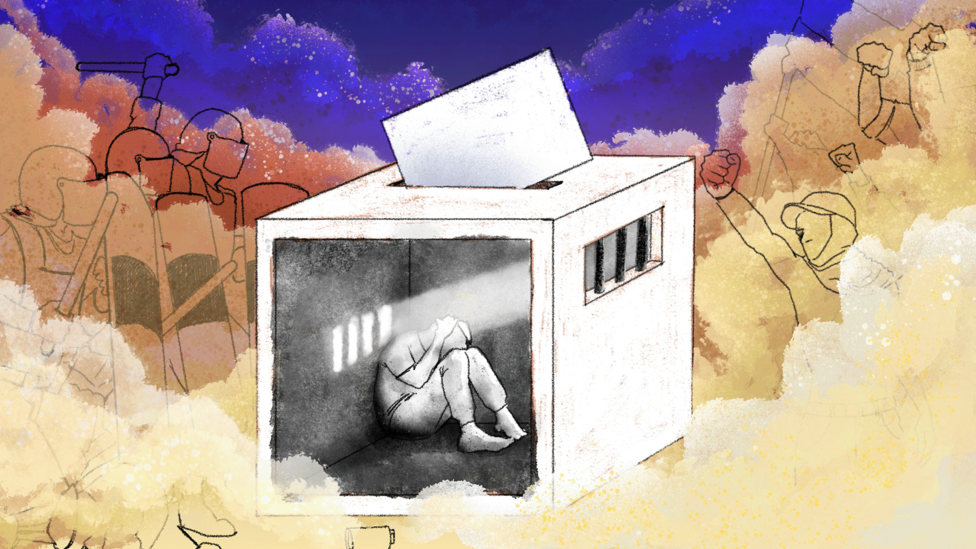
Last week prosecutors presented a new indictment under which Maduro and Flores "created and maintained a system of violent repression" in which "thousands of Venezuelans" were killed, persecuted and tortured. Among the listed torture methods are electric shocks, suffocation, rape, forced nudity, prolonged isolation, starvation, punishment cells and psychological pressure. The US also claims that Maduro authorized torture "of specific individuals" and that US citizens were tortured under this system. According to DW, the charges cover the period of Maduro's presidency from 2013 to 2026; he is accused of personally recommending torture methods, receiving reports on the condition of specific victims, and threatening to kill the child of one of the detainees. Flores, according to the indictment, helped build the repressive system and gave orders to torture specific individuals.
Context of the case
Initially, the US accused Maduro of narco-terrorism, drug trafficking and weapons-related crimes, as well as conspiracy to traffic cocaine in partnership with cartels designated as terrorist organizations; the charges also concerned his son and alleged accomplices. Maduro previously called the charges an instrument of "imperial" plans to gain access to Venezuela's oil reserves. The defense argues that Maduro, as head of a sovereign state, has immunity from prosecution and that his forcible capture by the US was unlawful; the parties are seeking dismissal of the case. Flores unsuccessfully requested release on bail, citing heart problems and her health at the Metropolitan Detention Center in Brooklyn.
Circumstances of the arrest and timeline
Maduro and Flores were captured in January 2026 during a US nighttime military operation in Caracas and have since been held in custody in New York — about eight months had passed by the time of the hearing. The trial is scheduled for June 14, 2027, with the schedule approved by the judge on Thursday. DW notes that human rights groups have long accused Venezuelan officials of torture, but the US indictment creates the first opportunity to hold Maduro accountable for these allegations. Maduro is also under investigation by the International Criminal Court on charges of crimes against humanity, but no warrant has been issued for him. Prosecution of foreign officials in the US is extremely rare: DW cites the cases of the son of Liberian President Charles Taylor, Russians responsible for war crimes in Ukraine, and a former prison chief from Syria during Bashar al-Assad's era.
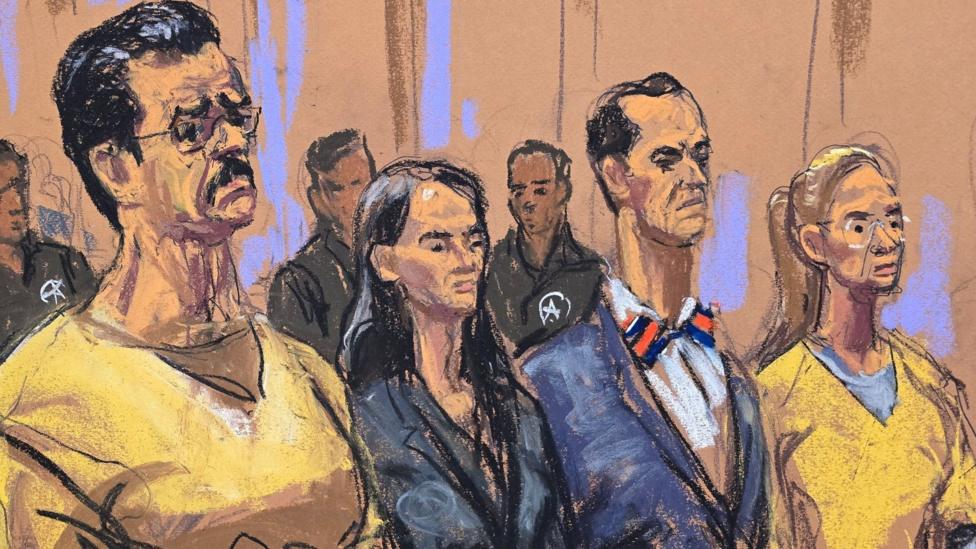 Image source, REUTERS/Jane Rosenberg
Ousted Venezuelan President Nicolas Maduro and his wife, Cilia Flores, are seen in a federal court in New York in July.