The key facts
- Turnout on October 25 was 22.2% — below the 50% threshold required to elect a president in the first round
- The runoff will take place on November 1
- Disagreements over aid to Ukraine became a key theme of the campaign
Elections fail to determine the president in the first round
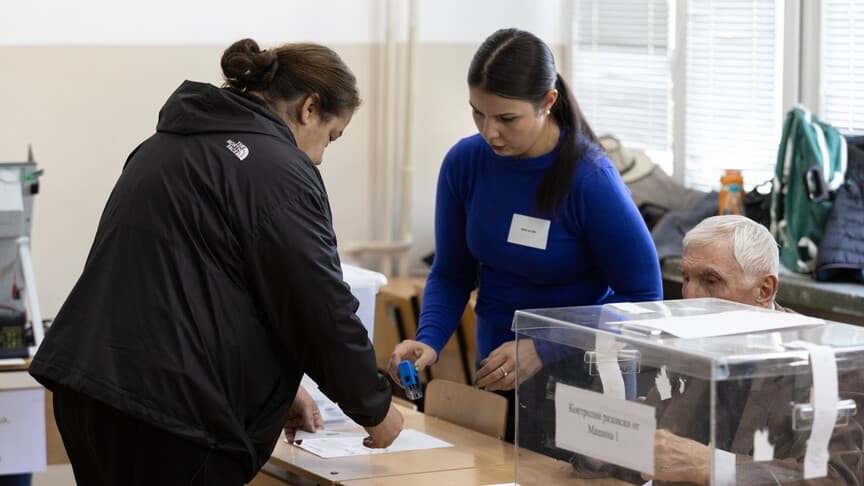
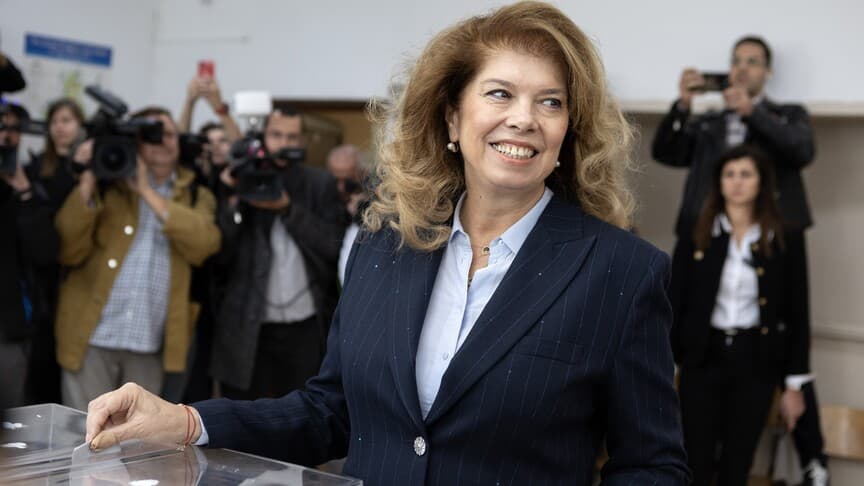
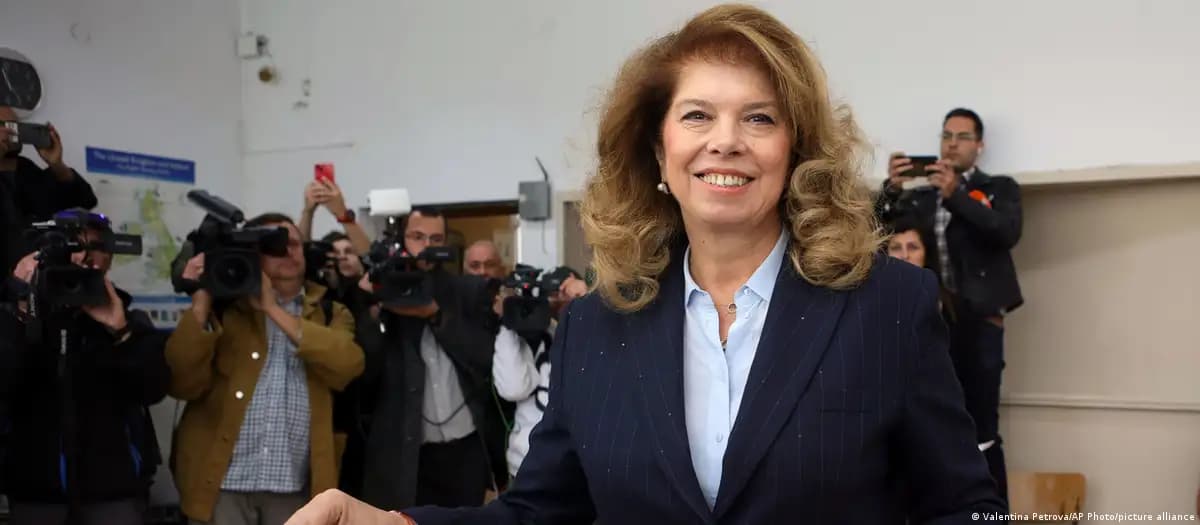
The presidential election in Bulgaria, held on October 25, did not produce a winner in the first round. According to DW, citing the Central Election Commission of Bulgaria, the final results were announced after 95.3% of the ballots had been counted. The runoff is scheduled for November 1.
Low turnout made a second round inevitable
The key reason for moving to a second round was turnout: according to the commission, only 22.2% of voters came to the polls. Under Bulgarian rules, for a president to be elected in the first round, turnout must exceed 50% — the actual figure fell far below that threshold. Thus, the outcome of the election will now be determined not only by the balance between the candidates, but also by whether noticeably more voters show up in the second round.
The campaign: aid to Ukraine and incidents off the coast
The campaign, as described by DW, was sluggish: there were few rallies, no televised debates were held, and the main candidates traded personal jabs. In recent weeks, one of the main topics has been the question of aid to Ukraine. Incumbent Vice President Iliana Yotova advocated ending the war through diplomacy and tried to convince voters that Bulgarian troops would not be sent to Ukraine, although, as the outlet notes, this issue was not a central topic of public debate. Andrey Gyurov, positioned as a supporter of the West, had previously backed Ukraine and, during his time leading the government, signed an agreement with Kyiv on cooperation in the field of security.
Limited but real powers of the president
The campaign was also affected by events related to Black Sea security: in October, four cargo ships off the Bulgarian coast were, it is believed, attacked by drones, and a Starlink facility near Sofia was damaged by a fire. According to DW, the government led by Yotova and Rumen Radev responded cautiously to these incidents, offering no clear assessment and not naming those responsible. Although the powers of Bulgaria's president are limited, the head of state represents the country on the international stage and is the supreme commander-in-chief, signs decrees appointing the chief prosecutor and the heads of the higher courts, temporarily appoints a prime minister from a circle of persons defined by the constitution, and has the power to veto laws passed by parliament.