The key facts
- Solar kits are distributed as humanitarian aid in refugee camps and conflict zones
- Hope For Ukraine will distribute more than 3,200 kits by the end of 2026, with about 20,000 families on the waiting list
- Obstacles: reliance on diesel generators, cuts in donor funding, and high cost for many
- Obstacles: reliance on diesel generators, shrinking donor funding, and high costs for many
Electricity as a basic need
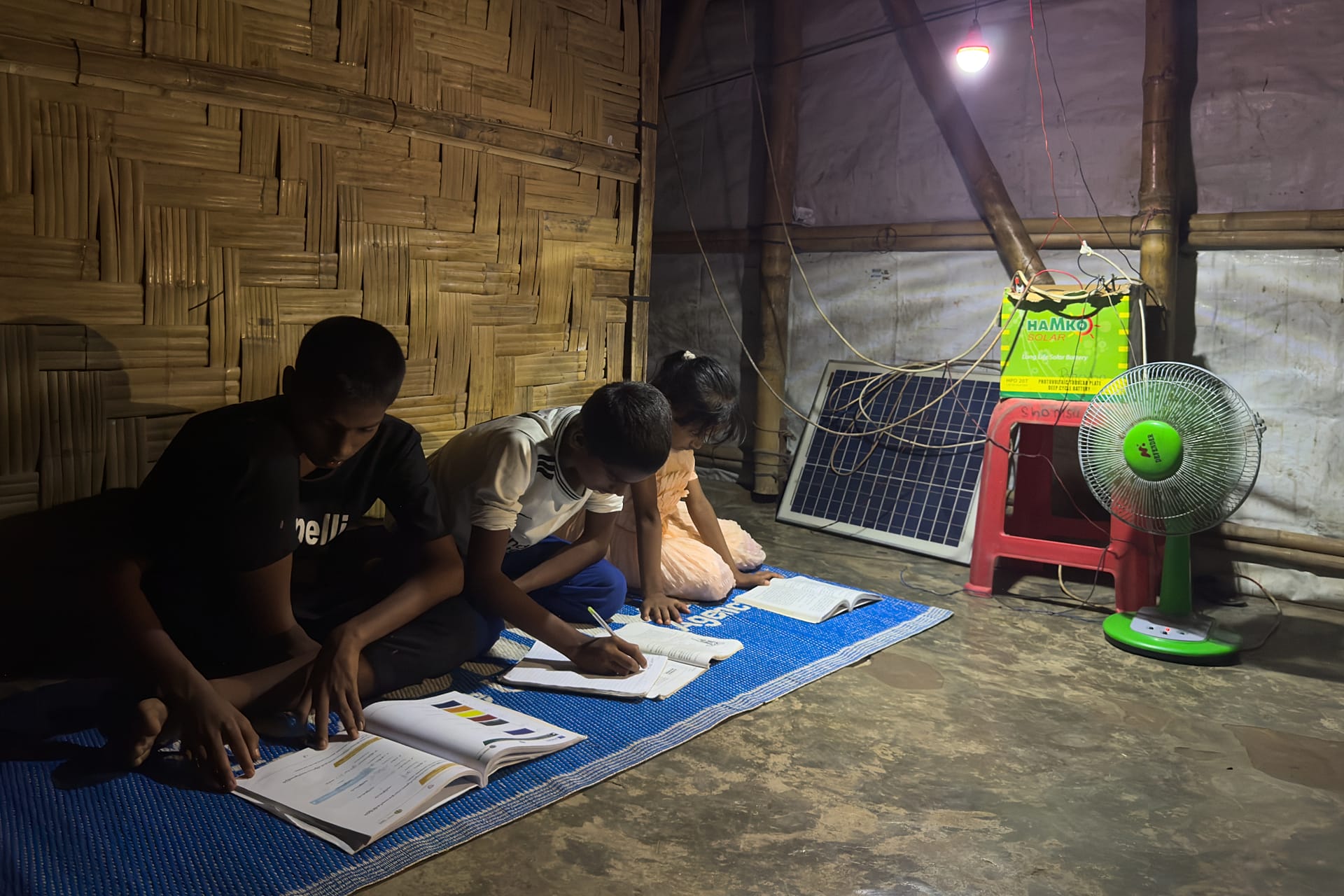
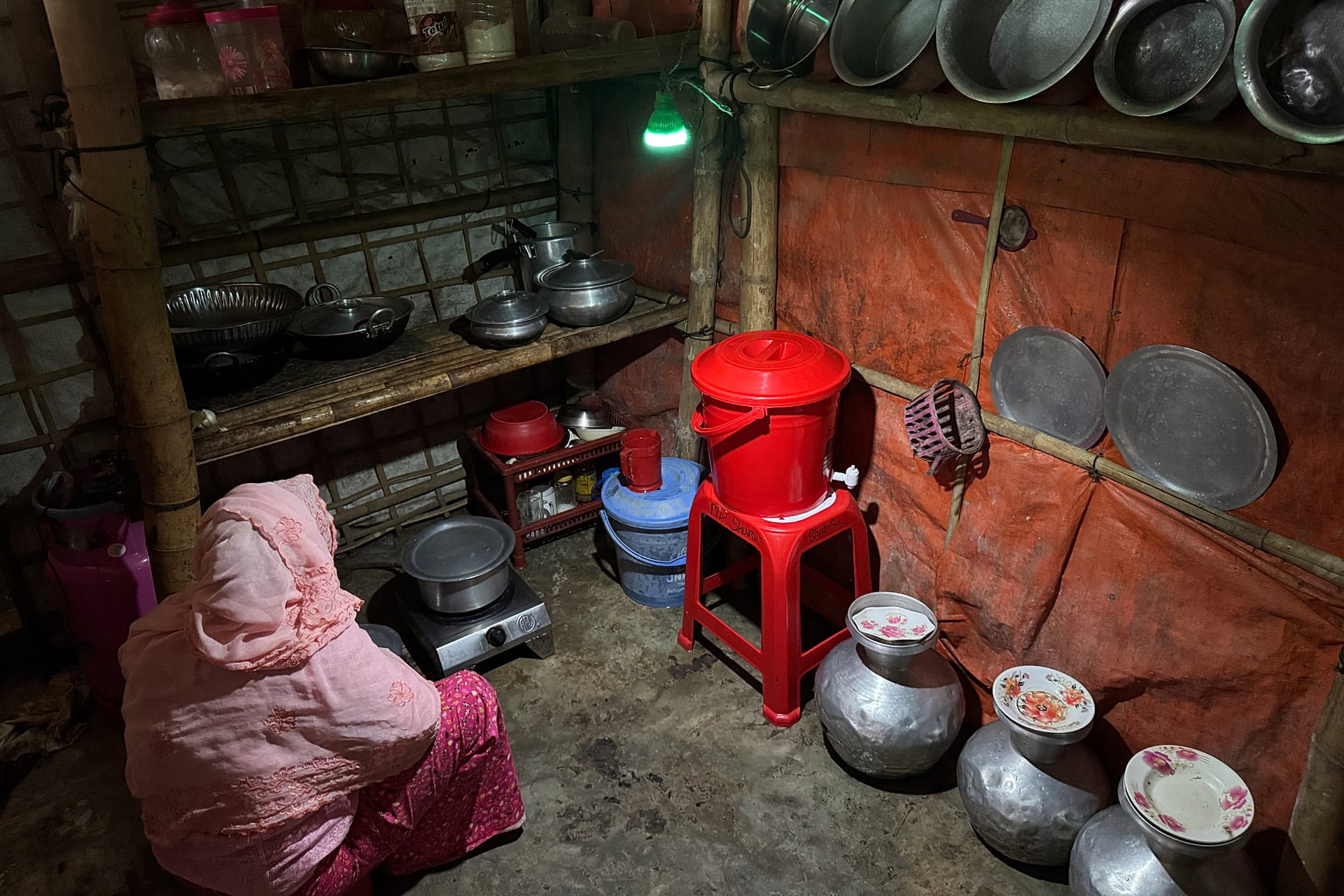
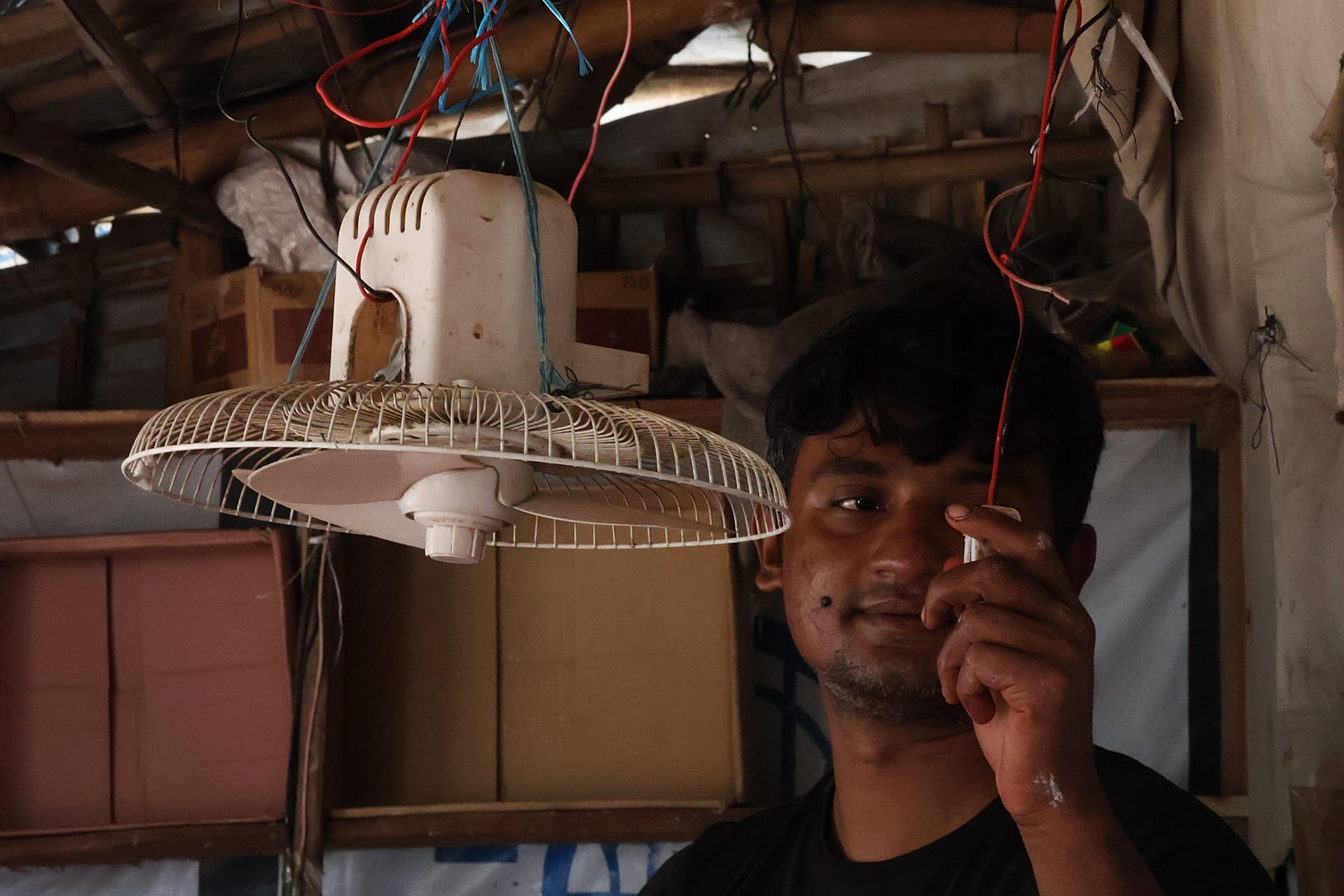
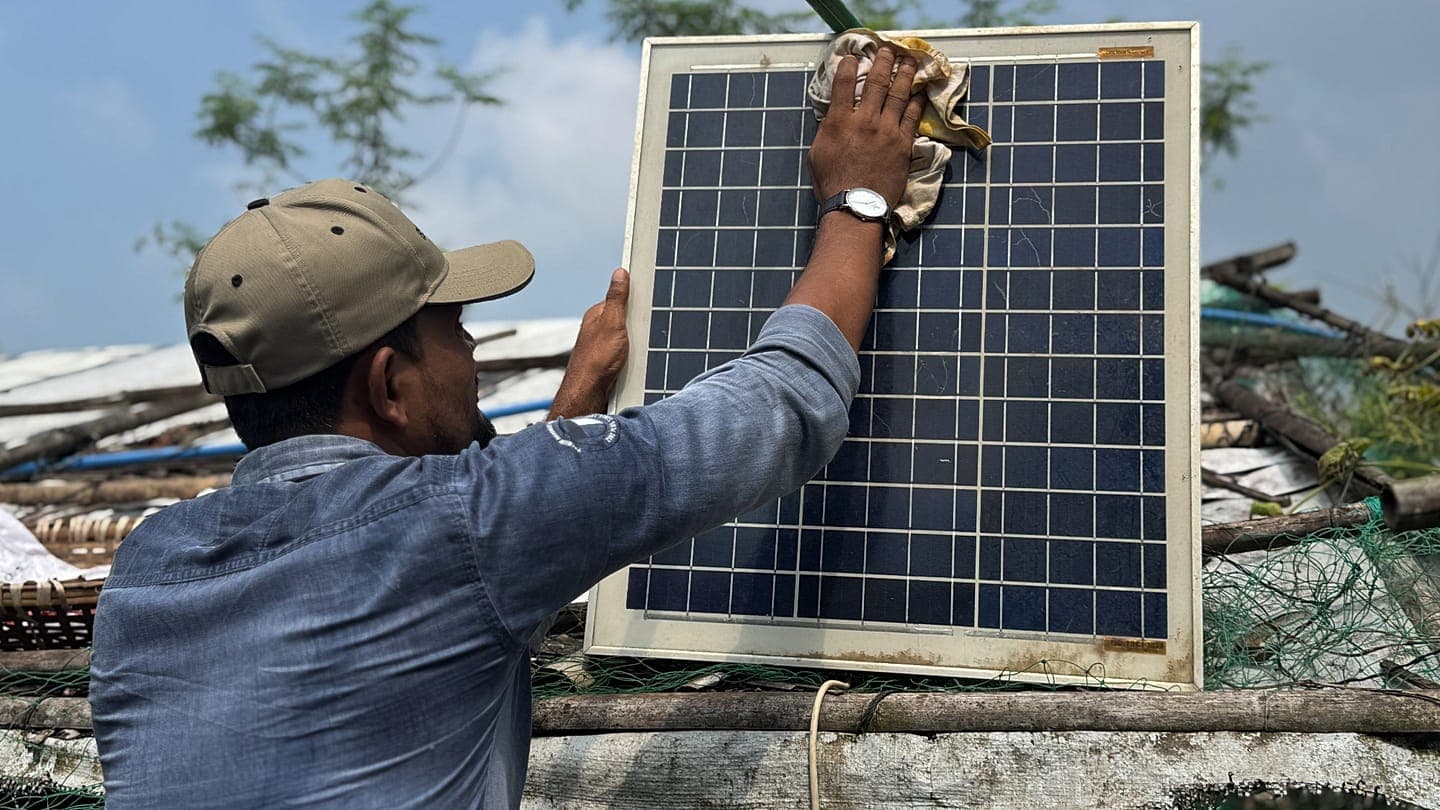
Portable solar kits distributed as humanitarian aid are helping people in disaster zones and refugee camps stay connected and keep cool, Euronews reports. In a displacement camp in Teknaf, Bangladesh, 35-year-old Mohammed Saber, who fled Myanmar with his family in 2017 amid the crackdown on the Rohingya, has been using an issued portable panel as his main source of electricity for six years: “Now we can charge our phones, cook by light, the children can study at night and use fans during the hot season,” he says. His family is one of more than a million Rohingya refugees living in Bangladesh.
Why solar panels in particular
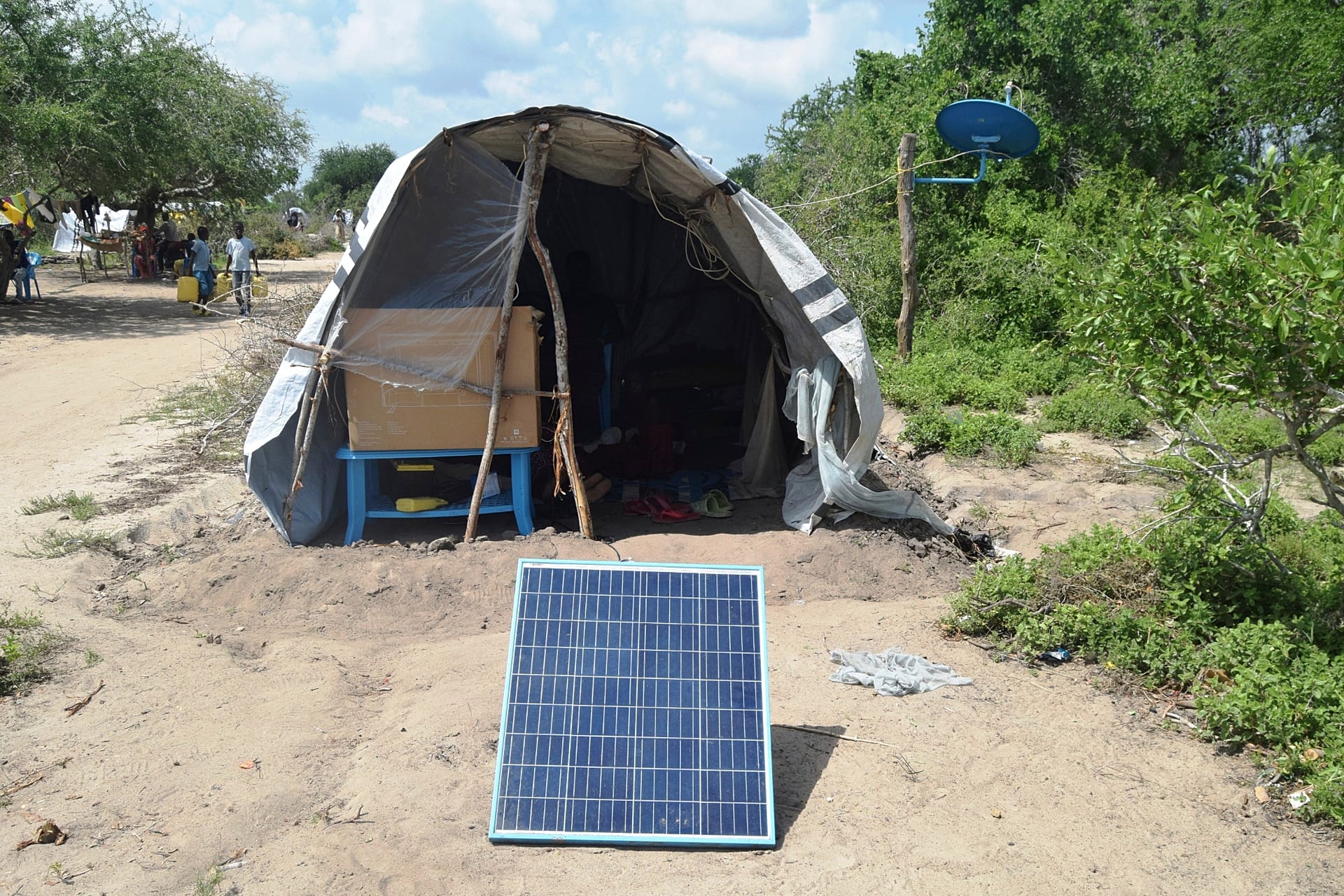
Sara Rosenberg-Jansen, a research fellow at the Stockholm Environment Institute, explains that such kits — compact standalone devices that do not depend on power utilities — are easy to move and recharge, and in emergencies they can be deployed immediately: during rapid flooding, shifting front lines, or on damaged roads. According to her, this is “anything from solar lanterns to home systems, lights, heating pads and solar-powered electric cookstoves.” Panels are not subject to price shocks the way fossil fuels are, which are expensive to transport into a disaster zone; just a few decades ago solar energy was a luxury, but mass production has made it affordable. Yuriy Boechko, head of the American nonprofit Hope For Ukraine, which supplies kits to war-torn Ukraine, notes the simplicity: “There are grandmothers and grandfathers aged 75–80... receiving the kits. It’s simply plug and play.”
Where they are already in use
Examples of use are already diverse: a Médecins Sans Frontières tuberculosis clinic on the outskirts of Karachi runs on solar power; in Renk County in South Sudan, the UN migration agency has installed solar-powered water filtration systems for families who fled the war in Sudan. After the August floods in Nepal, which killed 1,455 people and left 5,285 missing — including hundreds of foreigners — solar kits were distributed by local and international organizations, including the Australian charity SolarBuddy.
What hinders wider adoption
Mark Gibson of the Global Platform for Action (GPA), which promotes access to affordable and clean energy, notes integration difficulties: humanitarian agencies have proven diesel-generator systems under long-term lease agreements, and switching to solar panels requires trust in new systems and the creation of new supply chains, sometimes in dangerous conditions. Amy Jenks, GPA’s head of programs, adds that the recent cut in international donor funding has undermined or completely erased new practices: “A significant portion of the technical expertise in the humanitarian energy sector has been cut. This sets progress back significantly.” Even cheaper panels remain out of reach for many: Hope For Ukraine will distribute more than 3,200 kits by the end of 2026, but, according to Boechko, this took two years due to funding needs, and about 20,000 families are on the waiting list. “We simply can’t keep up with demand,” he says.