The key facts
- Data centers will be divided into three categories: K1 — strategic facilities, K2 — regional and industry systems, K3 — corporate data centers.
- The recommendations include reinforcing buildings, electronic warfare systems, protection from blast waves and shrapnel, and service redundancy.
- The market estimates a possible increase in providers' service prices of about 10%, not counting inflation.
Data centers to be divided into three categories
The Ministry of Digital Development has approved recommendations for protecting Russian data centers from drone attacks, reports Kommersant, citing the document. Under this approach, all data centers will be divided into three categories depending on their significance for the state and business.
Criteria for categories K1, K2 and K3
The strictest criteria apply to category K1, which will include strategic facilities: damage to them could disrupt the performance of key state functions for an hour or more. Category K2 will cover data centers serving important regional and industry systems, if a possible outage could last four hours or more. The third category, K3, will comprise corporate data centers: damage to them may cause serious losses for individual companies but should not lead to large-scale consequences at the state level.
Multi-level protection and cooperation with government agencies
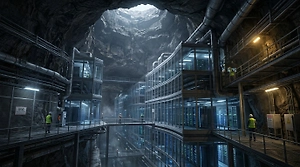
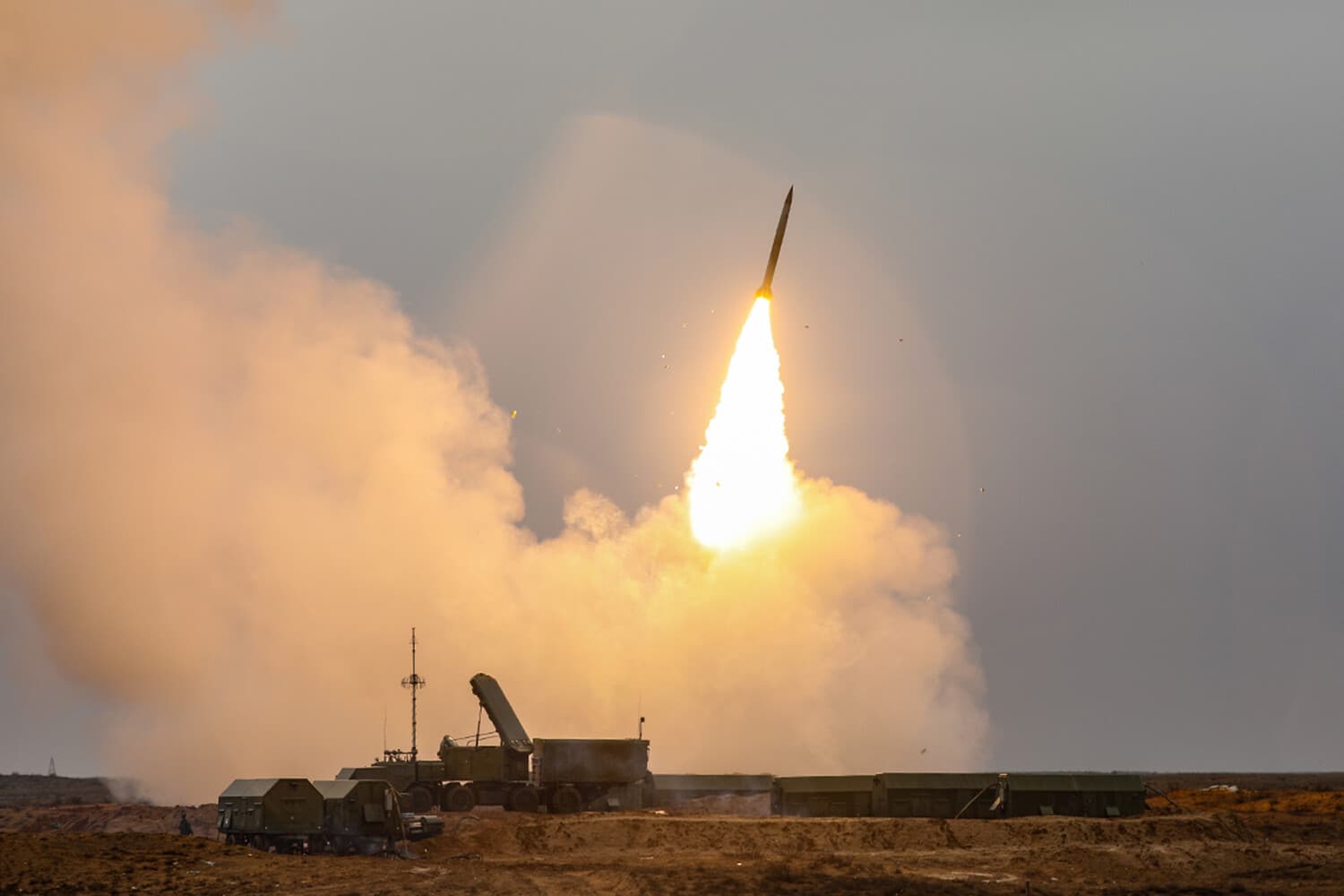
Protection of the facilities is proposed to be built on several levels: reinforcing buildings, using electronic warfare systems and counter-drone systems, as well as reducing the visibility of operating data centers from the air. Separate attention is given to server rooms, power supply and equipment cooling — these systems must be protected from blast waves and shrapnel. Redundancy is provided for critical digital services, and operators are advised to establish cooperation with the Defense Ministry, the Emergency Ministry, the Rosgvardia National Guard and emergency services. The Ministry of Digital Development confirmed that the recommendations have been prepared and sent to relevant organizations.
Context: a series of attacks on digital infrastructure
The document appeared after a series of attacks on digital infrastructure. Life.ru reported on the shutdown of Yandex's data center in Vladimir — at the time, damage to the facility was accompanied by disruptions affecting about 20 Russian services. Earlier, the head of the Ministry of Digital Development, Maksut Shadaev, discussed with the Defense Ministry the protection of data centers, and later it became known that an attack had hit Sberbank's data center in the Saratov region, which, according to the bank's representative, did not disrupt the operation of its services. Against this backdrop, Rostelecom proposed creating a backup 'doomsday data center' for restoring business data after large-scale outages.
What this means for the market
Market participants surveyed by Kommersant warn that additional security measures could increase providers' service prices by about 10%, not counting inflation. For users and companies, this means that infrastructure protection, judging by market estimates, may affect hosting and cloud service prices, while data center operators themselves will receive formalized requirements, up to and including cooperation with law enforcement agencies. The editorial board notes: the recommendations are methodological in nature, and the publication does not clarify whether they are mandatory.