The key facts
- The runoff between Lula and Flávio Bolsonaro is taking place with the candidates tied in final polls
- After his first-round defeat, Lula rebuilt his campaign, including on social media; a dispute with Meta over “algorithmic manipulation”
- Analyst Thomas Trautmann predicts a conflict-ridden post-election landscape regardless of the outcome
An unprecedentedly tense runoff
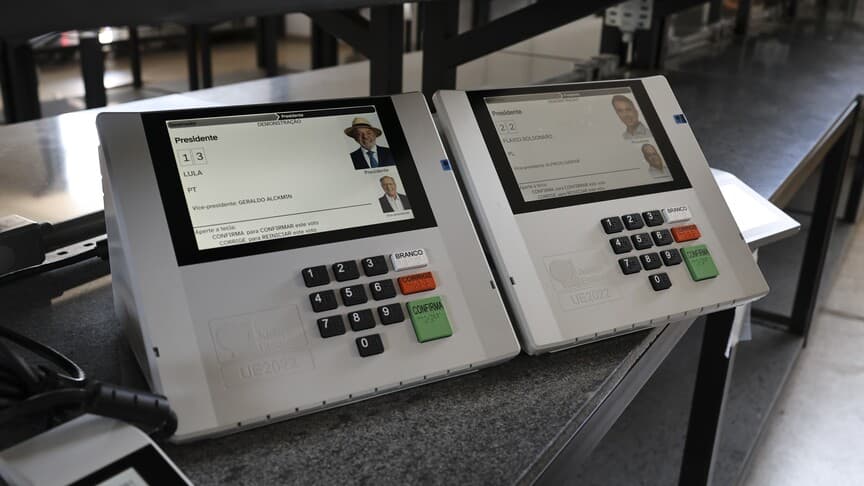
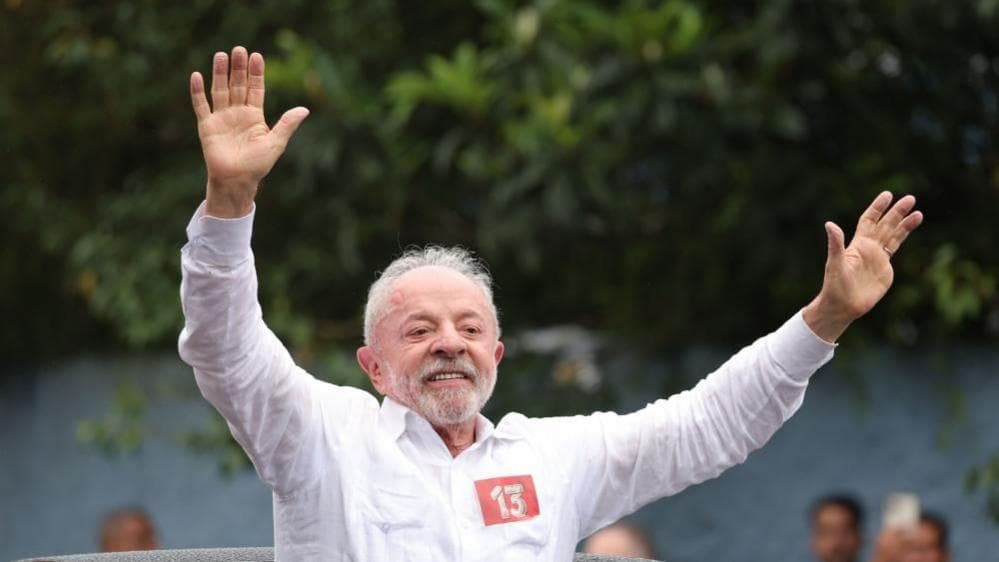
Residents of Brazil vote on Sunday, October 25, in the second round of the presidential election. The choice is between a third term for the incumbent left-wing president Luiz Inácio Lula da Silva and the return of the right to power in the person of Senator Flávio Bolsonaro, the 45-year-old son of former president Jair Bolsonaro. According to AFP, final polls showed the candidates running neck and neck. For the 81-year-old Lula, whose birthday falls on Tuesday, this is the final electoral battle: after a second-place finish in the first round that shocked his supporters, he is counting on a turnaround.
The stakes and the candidates' programs
The outcome of the vote will determine whether Brazil remains one of the few left-wing countries in Latin America or joins the regional turn to the right promoted by US President Donald Trump — an ally of the Bolsonaro family who has not publicly endorsed Flávio. Lula, running for a fourth (non-consecutive) term, positions himself as a barrier against US interference and a retreat from democracy, and promises to expand social protection. “The right wants to govern under the American flag”, he said after voting in the state of São Paulo. Flávio Bolsonaro promises to fight crime, sharply cut public spending and “hand Brazil over to the Lord Jesus Christ.” “The time has come for real change,” he said after voting in Rio de Janeiro.
The campaign and its storylines
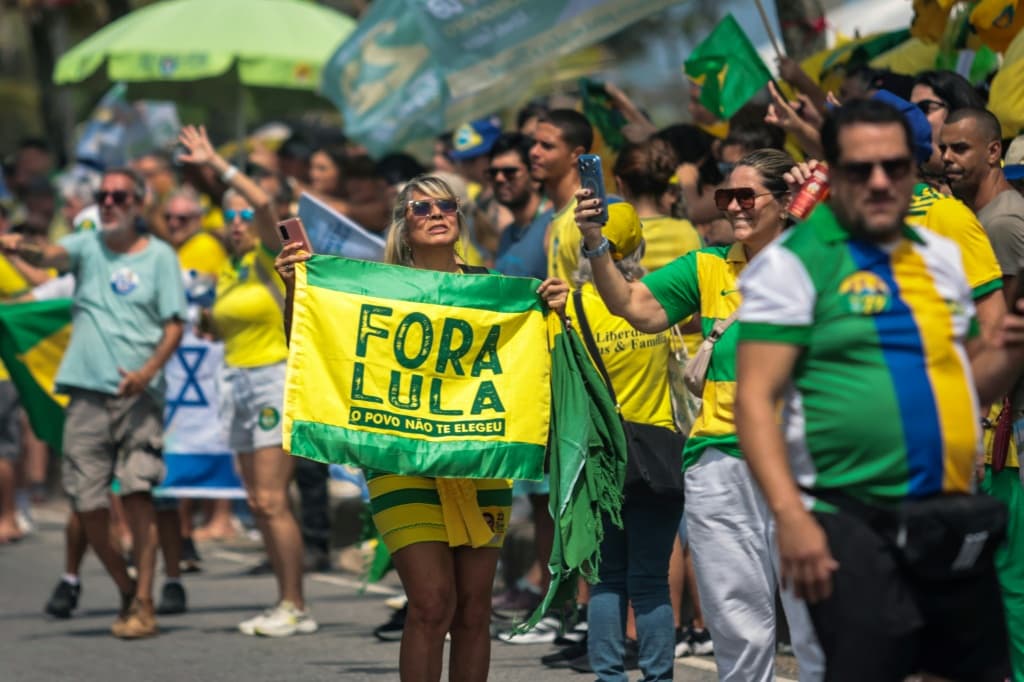
After the defeat in the first round, the left held mass rallies under the slogan “Never again Bolsonaro,” recalling the former president's chaotic handling of the Covid pandemic, the destruction of tropical forests and cuts to social programs. Under Lula, deforestation in the Amazon fell to its lowest level in four decades, however, as AFP notes, amid fires caused by the El Niño phenomenon that blanketed Amazonian cities in smoke, climate barely featured in the campaign. Lula also retooled his social media strategy and bought himself his first mobile phone. His campaign accused Meta (the owner of WhatsApp, Facebook and Instagram) of “algorithmic manipulation” in favor of his rival; Meta denies this but acknowledged that some of Lula's campaign ads were mistakenly disabled due to technical glitches.
Jair Bolsonaro's shadow and post-election risks
Flávio Bolsonaro presents himself as more moderate than his father, who is serving a 27-year sentence under house arrest for attempting a coup after losing the 2022 election. He has promised that his first act will be to free his father, and has also said he will push to impeach Supreme Court Justice Alexandre de Moraes, who led the case against the former president. Analyst Thomas Trautmann warns: “If the left wins, they face four years with a hostile Congress and impeachment threats,” while if the far right wins — “a government of retribution aimed at the Supreme Court”. In any case, according to AFP, Brazil faces a painful post-election period.
Why it matters
The voters' choice will determine not only the head of state but also the fate of key institutions: if Flávio Bolsonaro wins, a Supreme Court justice will be under threat, by his own statements, while if Lula wins, there will be conflict with the right-wing Congress. For millions of Brazilians, social programs are also at stake: Lula's supporters, such as 56-year-old Walter dos Santos, call them “a huge help,” while critics demand spending cuts. Results are expected within a few hours after polls close at 20:00 GMT; rain across the country may affect turnout after the record abstention of the first round.