The key facts
- Arabs arrived in Cuba in the second half of the 19th century from the Levant; many sought to continue on to the USA
- Arab-Cubans took part in the 1895 war of independence from Spain; the Arab Union of Cuba was founded in the 1970s
- The word 'ojala' comes from the Arabic 'inshallah'; in 2015 a mosque funded by Saudi Arabia opened near the museum
A Museum in a Colonial Mansion
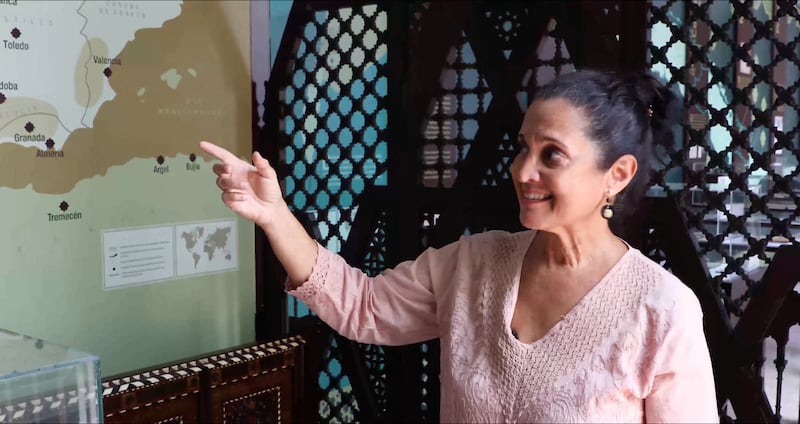
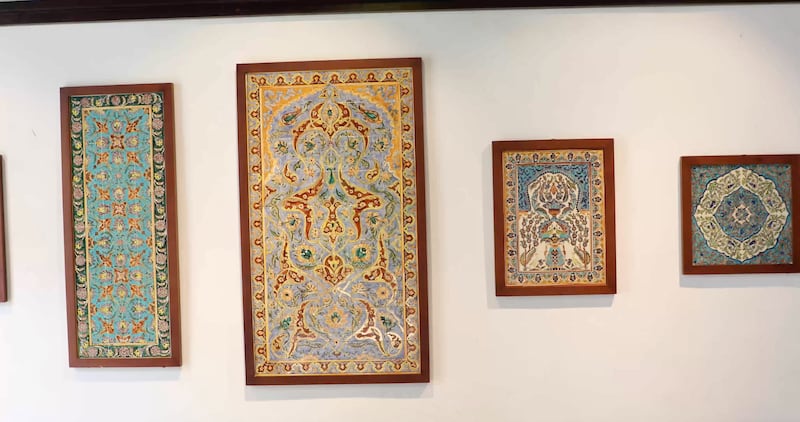
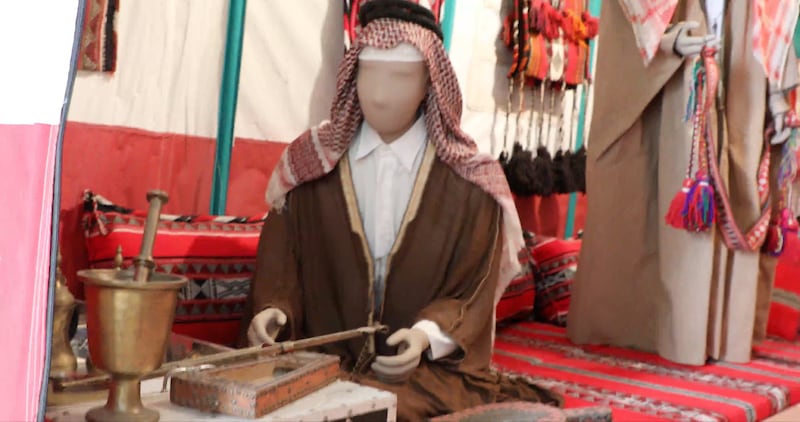
Casa de los Arabes ('House of the Arabs') is located in one of Havana's colonial mansions and is dedicated to the history of Cuba's Arab community and its role in the country's history. One of the halls displays traditional Arab weapons — swords and rifles, some of which were given to Fidel Castro by foreign diplomats. Another hall recreates a Bedouin tent in the Kuwaiti desert, and yet another contains photographs of the families of the first immigrants, letters and personal belongings.
Arab Influence on the Spanish Language and Culture
The museum's director, Jacqueline Diaz Fuentes, told The National that even before the arrival of Europeans, the Arab world had influenced Spanish-speaking peoples through more than 700 years of Muslim rule in Spain. According to her, many Arabic words entered the Spanish language, including the expression 'ojala' ('hopefully'), which derives from the Arabic 'inshallah'. Spanish architecture, which was influenced by Islam, also made its way to Cuba.
Immigration from the Levant
Arabs began arriving in Cuba in the second half of the 19th century from the Levant, which was experiencing severe upheavals: economic depression, high taxes, fear of military mobilization in the Ottoman Empire, a shrinking of arable land and the collapse of the regional silk trade. The ultimate destination of many of those arriving from Lebanon, Syria and other countries was the USA, but Cuba was a key entry point to the West, Diaz Fuentes explained. At first, young men came alone and engaged in street trading, then established stable import businesses; initially they brought families and brides from their homeland, but over time the community began to enter mixed marriages with the local population.
Integration and Contribution to Cuba's History
Arab-Cubans took part in the war of independence from Spain in 1895. 'There are memorable examples of Arabs who integrated, identified themselves with the Cuban people and its struggle to improve living standards,' Diaz Fuentes noted. The community largely assimilated into Cuban culture, but the descendants of the first immigrants founded the Arab Union of Cuba in the 1970s to preserve and promote Arab culture and its contribution to life on the island.
Arabs in Cuba Today
Cuba remains a magnet for people from the Arab and Muslim world, especially for the hundreds of arriving students. The site of the Casa de los Arabes previously housed the island's only mosque, which was used exclusively by foreign diplomats and their families. In 2015, another mosque was built across the road from the museum, funded by Saudi Arabia. Arab influence is evident even in the characteristic Cuban summer men's shirt, the guayabera, which was reworked and popularized by a Lebanese fabric merchant. 'There is an inseparable bond between Cubans and Arabs. They have left an indelible mark on Cuba's national history,' said Diaz Fuentes.