The key facts
- UK government debt by the end of September 2026 exceeded $4 trillion (£3 trillion) for the first time — a record in absolute terms, but the debt-to-GDP ratio is lower than a year earlier (ONS).
- Borrowing for April–September amounted to £97.8 billion — £6 billion more than the OBR forecast, but £4.4 billion less than a year earlier.
- Inflation accelerated to 3.5% in September from 3.1% in August; debt interest costs rose to £10.9 billion (+16.6%).
Record debt and rising costs
UK government debt has for the first time in history exceeded four trillion dollars. According to the UK Office for National Statistics (ONS), by the end of September 2026 the debt reached three trillion pounds sterling — approximately $4.01 trillion. This is a historic maximum in absolute terms. At the same time, according to the ONS estimate, the debt-to-GDP ratio turned out to be lower than a year earlier, meaning the record does not imply a corresponding record relative to the size of the economy.
Borrowing above forecasts
In September alone, the government borrowed £24.5 billion — £1.8 billion more than in the same month last year. Over the first six months of the financial year (April–September), total borrowing amounted to £97.8 billion — £6 billion more than the Office for Budget Responsibility had forecast, although £4.4 billion less than last year's figure. Debt interest costs in September reached £10.9 billion, up 16.6% year-on-year.
Inflation is accelerating
Annual inflation in September reached 3.5% versus 3.1% in August — the highest figure in almost a year. One of the main factors was the rise in petrol and diesel prices against the backdrop of the Middle East conflict and growing global energy prices; business costs are adding additional pressure. Inflation continues to exceed the Bank of England's 2% target. Markets expect the regulator may raise the key rate at its meeting on 5 November.
Context ahead of the budget
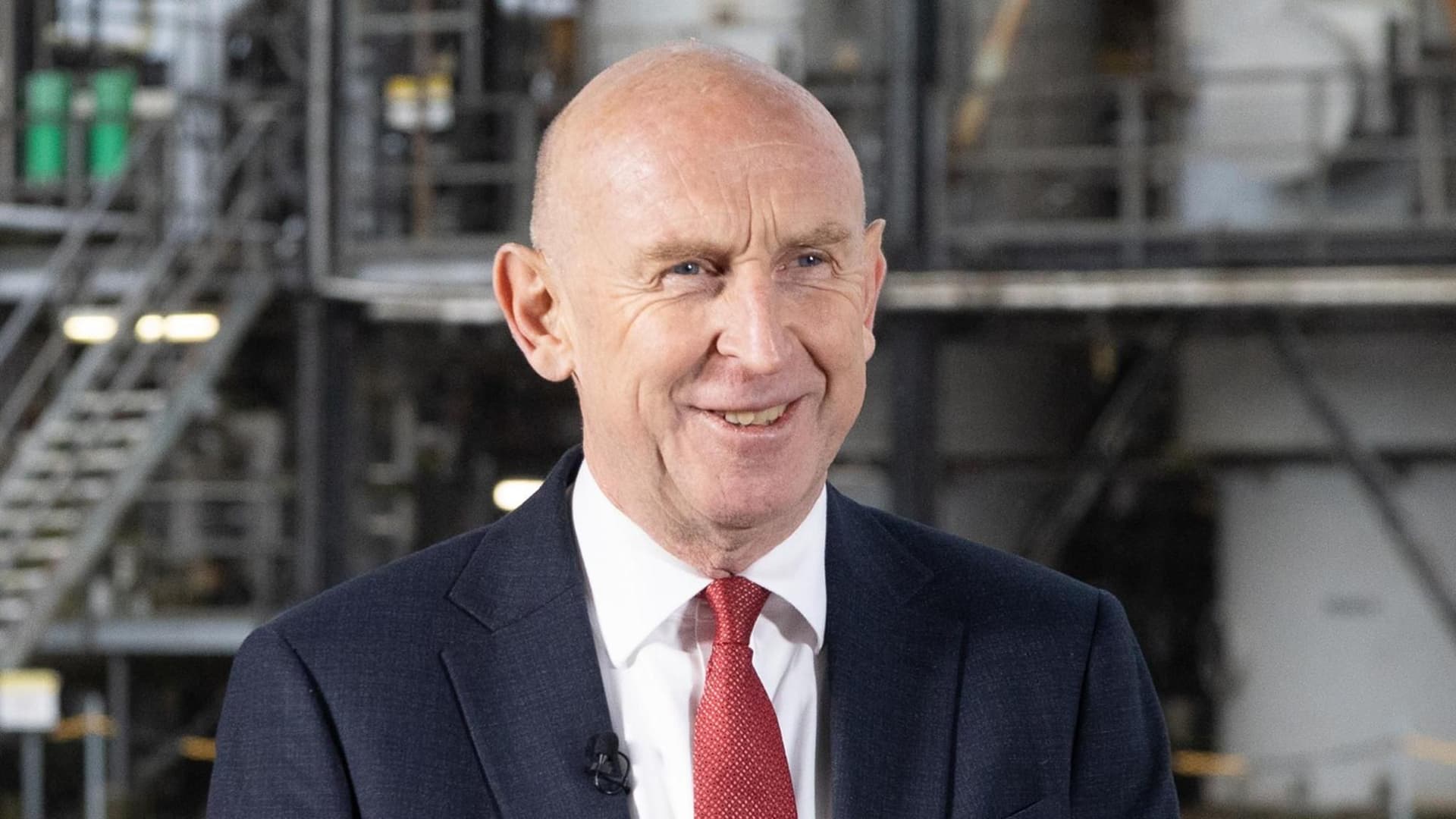
The data was published shortly before the presentation of the budget, scheduled for 28 October. Finance Minister John Healey will have to determine tax and spending measures amid rising borrowing costs. According to economists, the growth of interest expenses limits the government's ability to finance new programmes without raising taxes or taking on additional borrowing.
Background and overall picture
Back in January 2025, billionaire Ray Dalio warned London about the threat of a 'death debt spiral', when new loans have to be taken to service previous ones. In August 2026, the BBC reported the risk of an almost complete halt to economic growth due to disruptions to shipping through the Strait of Hormuz: according to calculations by the UK Treasury, if the restrictions persist until the end of December, GDP growth in 2027 could slow to 0.3% instead of the expected 1.6%, while EY analysts, in the event of a longer blockade, allowed for a 0.2% economic contraction and inflation above 6%. The debt problem also affects other countries: in August, US government debt exceeded $40 trillion for the first time, in September Finland's debt reached a record 90.3% of GDP, and the IMF warned that by 2029 the combined government debt of the world's countries could exceed the size of the global economy.