The key facts
- Roche has frozen future investments in Germany: 'political decisions have seriously undermined trust'
- From 2027, the discount on branded medicines will rise from 7% to 15.5% under a law passed in July
- Siemens head Roland Busch called Roche's decision a signal to the government
Roche freezes investments in Germany
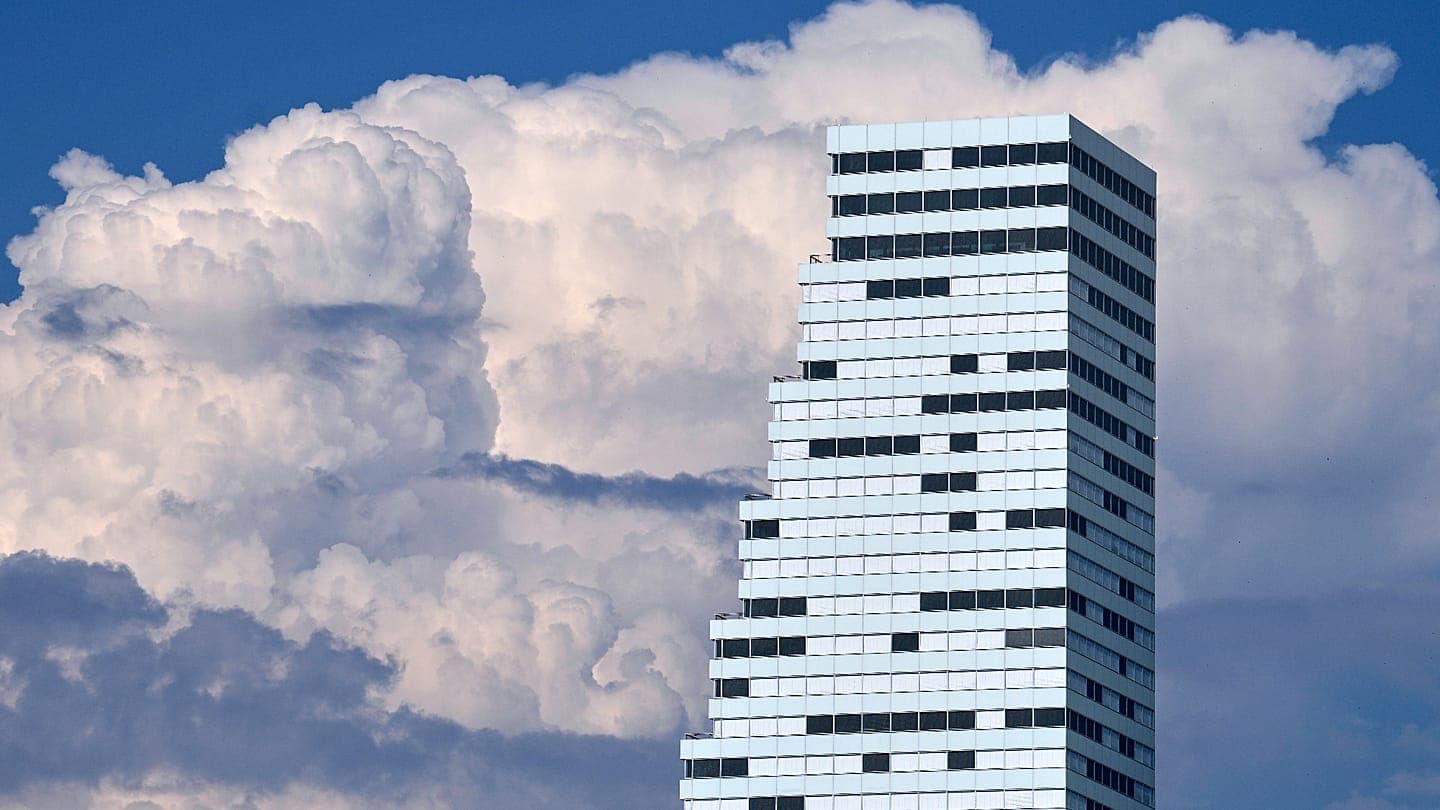
Swiss pharmaceutical company Roche announced on Monday that it is suspending the expansion of its operations in Germany. 'We have temporarily paused all future investment decisions in Germany,' said head of Roche Germany Daniel Steiner in an interview with the newspaper Die Welt. According to him, 'recent political decisions have seriously undermined trust' in the pharmaceutical sector.
The cause — a law lowering drug prices
In July, the German parliament passed a law obliging pharmaceutical companies to lower prices as part of measures to contain spending in the statutory health insurance system. From next year, manufacturers must provide a 15.5% discount on most branded medicines instead of the current 7%. In June, the US, citing these reforms, launched a tariff investigation into Germany, accusing Berlin of 'persistently underpaying for innovative pharmaceutical products'.
An inconvenient moment for the government
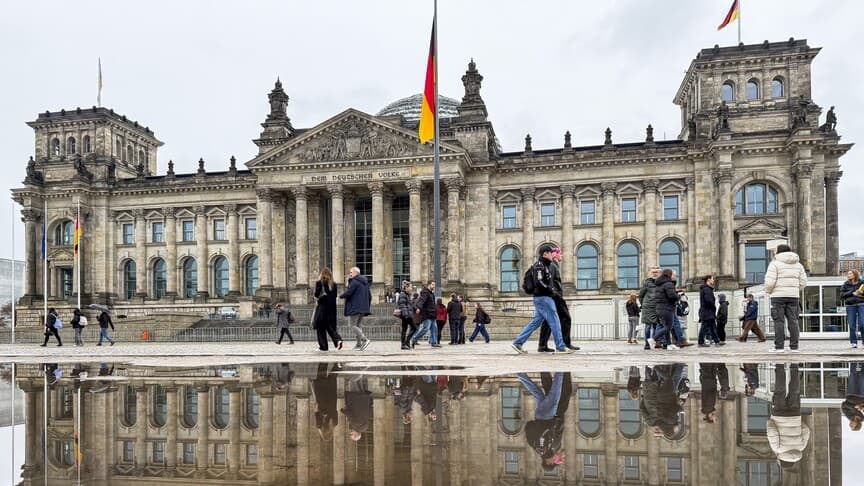
Roche's statement came on the opening day of the two-day investment summit in Berlin, organised by the government to attract business to Europe's largest economy. Economy Minister Katherina Reiche, responding to the criticism, said the measures are necessary to curb the growth of contributions to the social insurance system, while also noting the 'enormous contribution of the pharmaceutical industry'.
Business reaction and the state of the economy
Siemens head Roland Busch, speaking alongside Reiche at a press conference, called Roche's decision a signal: 'Companies are making it clear: if investment conditions in Germany do not meet their expectations, they will simply invest in other countries. That is entirely understandable.' According to Euronews, Germany's economy has barely grown since the end of 2022, when the surge of postponed post-pandemic demand ran out; it is suffering from weak domestic demand, US tariffs and intensifying competition from China.