The key facts
- On 21 October 1966, a coal tip collapse buried Pantglas Junior School; 144 people died, including 116 children.
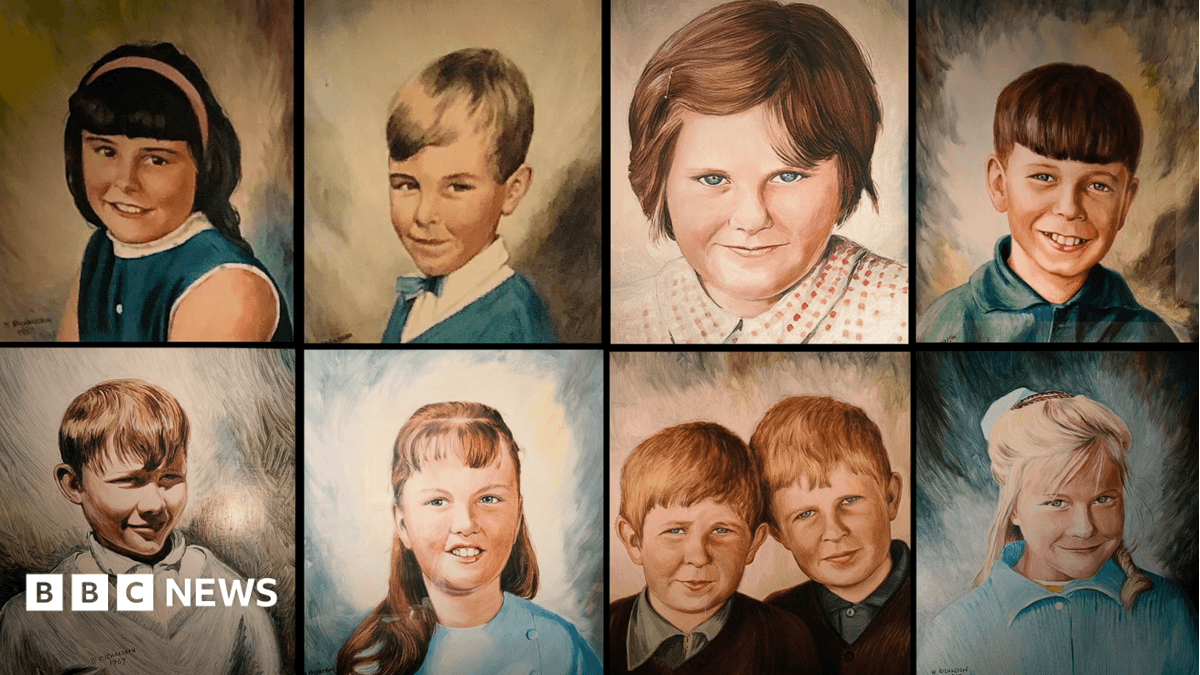
- Artist William Richardson from Llandudno created around 100 portraits of the children who died, taking no payment and seeking no fame.
- The new BBC film 'Unseen: The Aberfan Portraits' is available on iPlayer and will air on BBC One Wales on 19 October at 22:40 BST.
A Disaster That Changed the Village
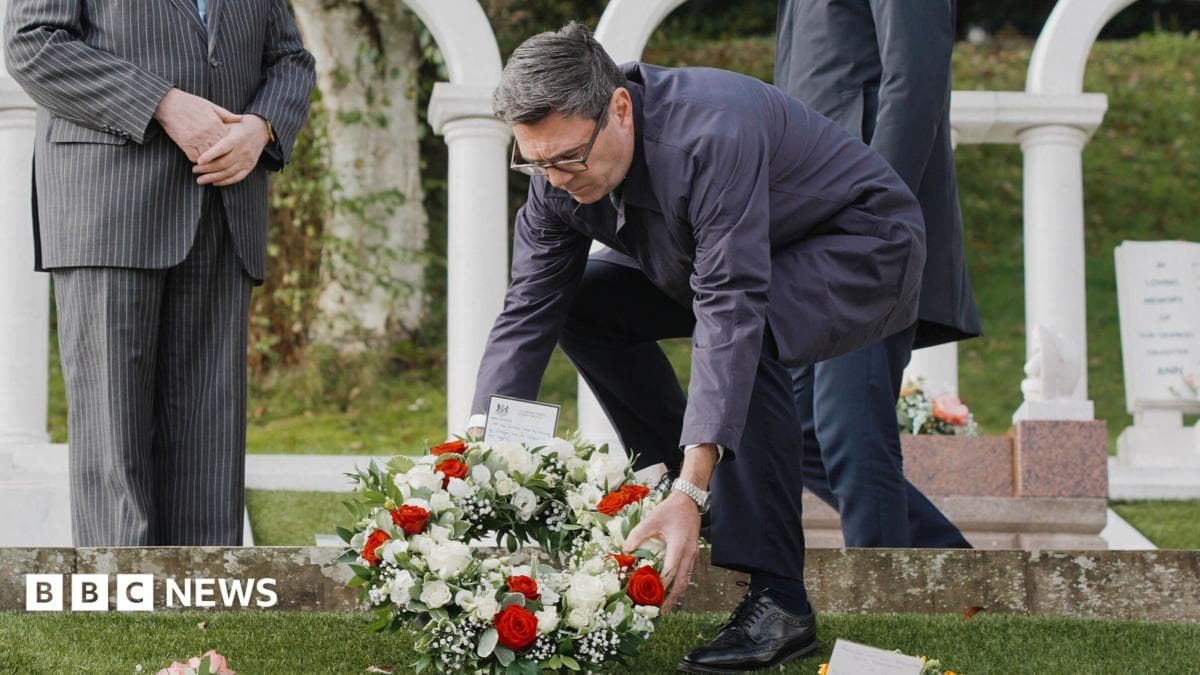
On 21 October 1966, a coal tip collapsed over the Welsh village of Aberfan: a stream of slurry engulfed Pantglas Junior School and neighbouring houses. 144 people died, including 116 children. The disaster is still present in the village's everyday life — in the memorial garden on the site of the school, at the cemetery, and in the empty places at family tables.
Memories of Lost Brothers and Sisters
Jeanette Keen remembers her sister Edwin as a quiet and gentle girl with a mischievous streak. That morning Edwin came back home to kiss her mother — 'Mummy, I forgot to kiss you' — and her mother blamed herself all her life for not keeping her at home. Her father found eight-year-old Edwin alive under the rubble but could not free her because of the threat of the roof collapsing; the girl suffocated while he held her hand. 'After that, everything changed,' says Jeanette, recalling how her father walked the corridor at night and beat his head against the wall. Denise Morgan, whose younger sister Annette died at the school, learned of the tragedy returning from lessons: 'When we looked towards Aberfan, we saw only a black mass.' The surviving sisters recall ordinary moments of loss: 'We always slept together. And suddenly I was alone,' says Jeanette. Four and five children respectively died in their streets.
An Artist With No Connection to the Village
William Richardson, who earned his living with caricatures on the pier in Llandudno (among his subjects were Margaret Thatcher and the Bay City Rollers), followed the events in Aberfan on television and in newspapers. According to his children Jean and Ken, what he saw deeply shocked him, and he decided to paint portraits of the children who died — 'to give something back, to show that he cared.' He took no payment and sought no recognition. Parents wrote to him about the children's eye and hair colour, their favourite clothes and character; some sent scraps of fabric so the artist could capture the details more accurately. He is believed to have created around 100 portraits over the years. Richardson was even invited to the Welsh Office, where he showed some of the works to the Secretary of State for Wales, George Thomas.
'It Brought Her Back to Life'
'We couldn't believe the likeness. It was her. It brought her back to life,' says Denise of Annette's portrait. Jeanette recalls how her father wept when the painting of Edwin arrived: 'If they could have hugged her, they would have hugged her.' The portraits became part of everyday life: 'She was there at Christmas, on holidays, always in the room. On our street there was such a portrait in every house,' Denise says. For Gaynor Madgwick, who escaped from the school during the collapse, the paintings served a different role: 'They start conversations. People start talking about their children again.'
What Will Happen to the Portraits Next
With the passing of the generation that directly experienced the tragedy, the question of the paintings' fate arises. Many remain family heirlooms, some have been passed on to the younger generation or to a local museum. Gaynor's family made a difficult decision after their mother's death: 'When you take them down, you're not taking down a painting, you're taking them down' — the portraits were buried with their mother in a white box resembling a small coffin, turned to face each other. 'It was like burying them again,' she says. Jeanette worries about the future of Edwin's portrait: 'I want people to see them.' Denise, however, cannot imagine parting with the painting: 'It's a treasure. I could never part with it.'
About the Programme
The film 'Unseen: The Aberfan Portraits' is available on BBC iPlayer and will be shown on BBC One Wales on Monday 19 October at 22:40 BST.
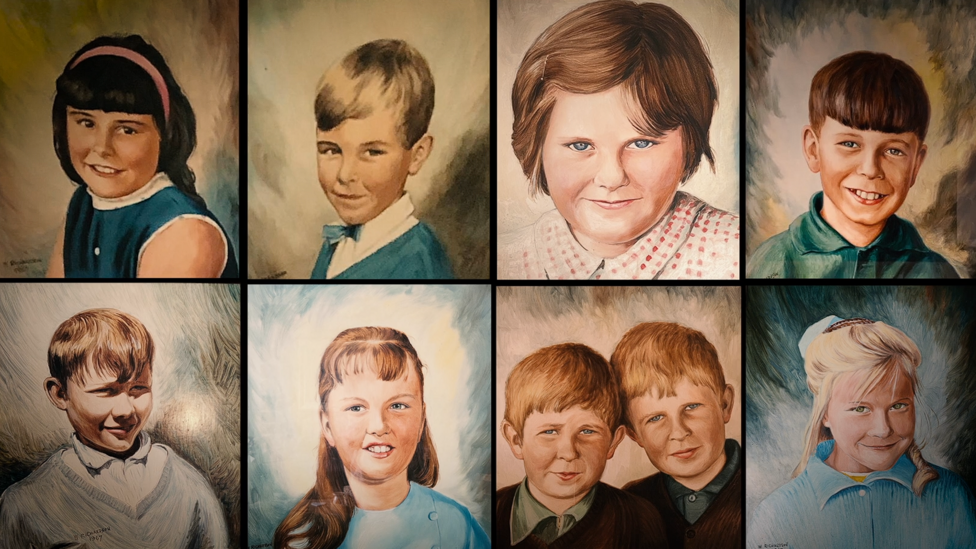
The portraits helped families grieve after the Aberfan disaster
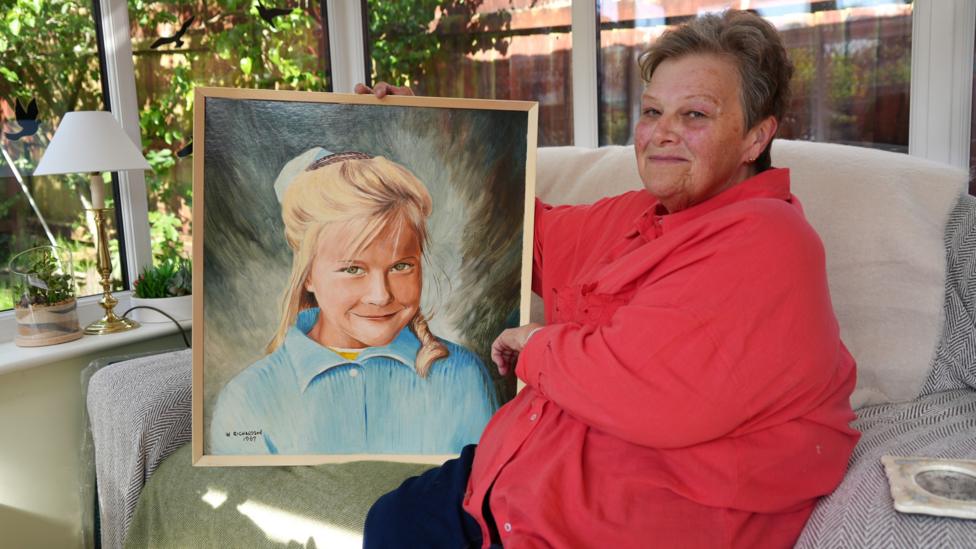
Jeanette Keane lost her sister Edwina
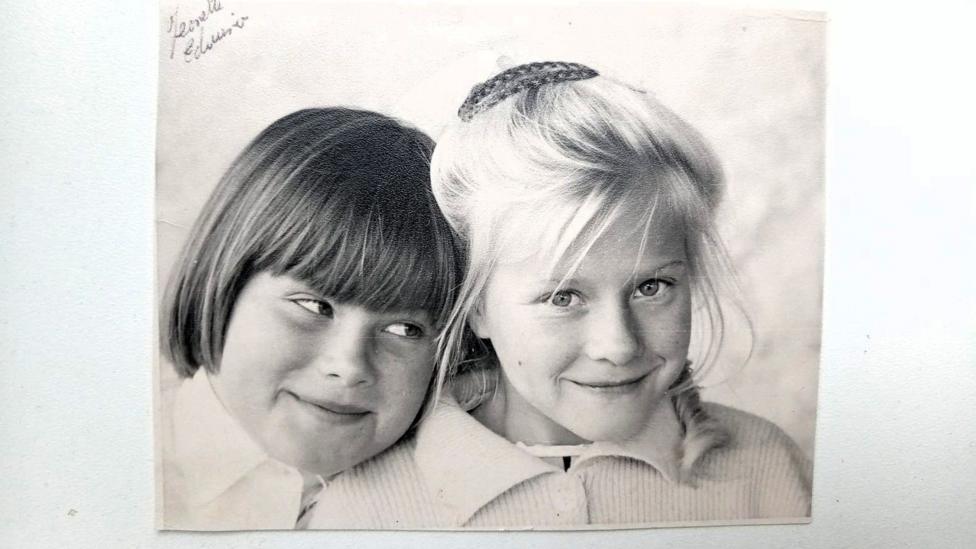 Image source, Family Photo
Jeanette has fond memories of her sister Edwina
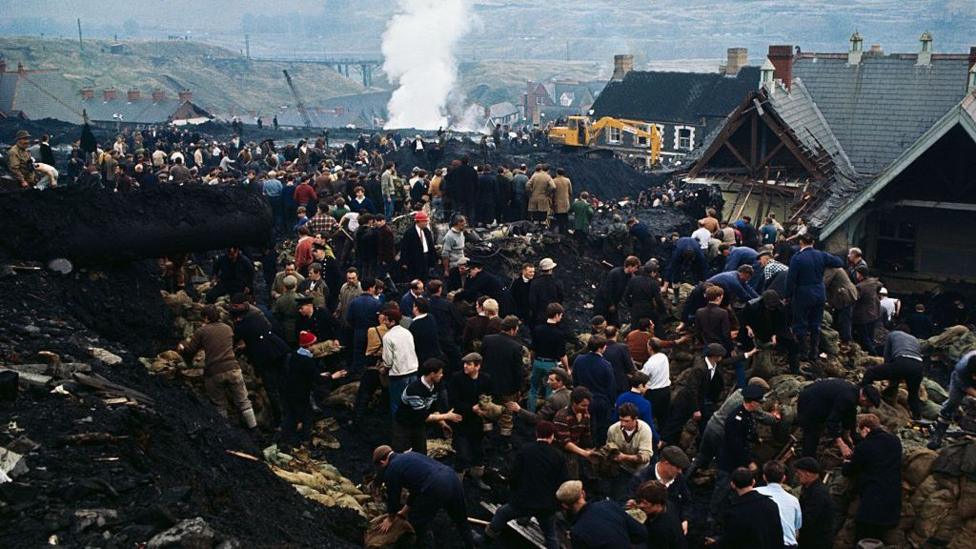 Image source, Bettmann Archive/Getty Images
The black coal waste smothered Pantglas Junior School, killing 144 people including 116 children
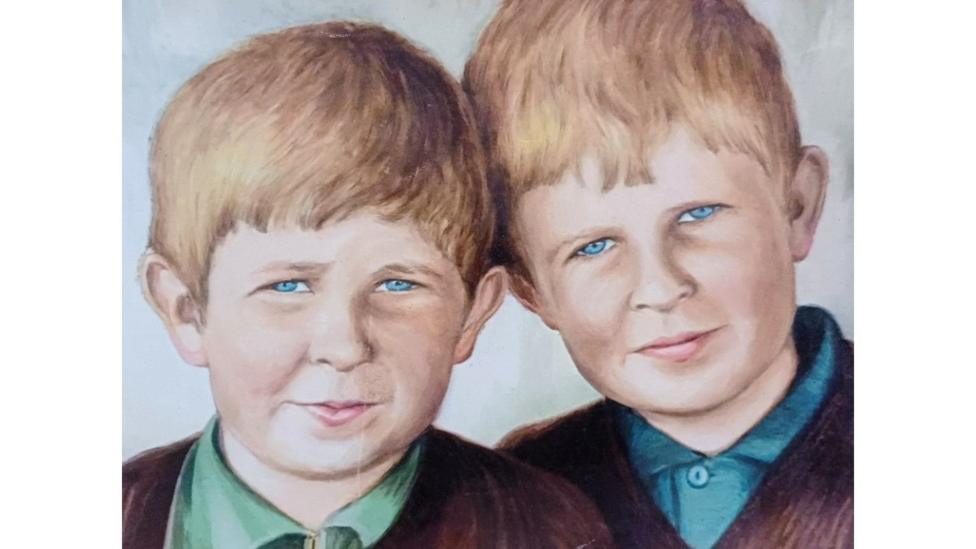
Brothers Kelvin and Malcolm Andrew were the sons of school caretaker Stephen Andrew, whose family still treasure their portrait
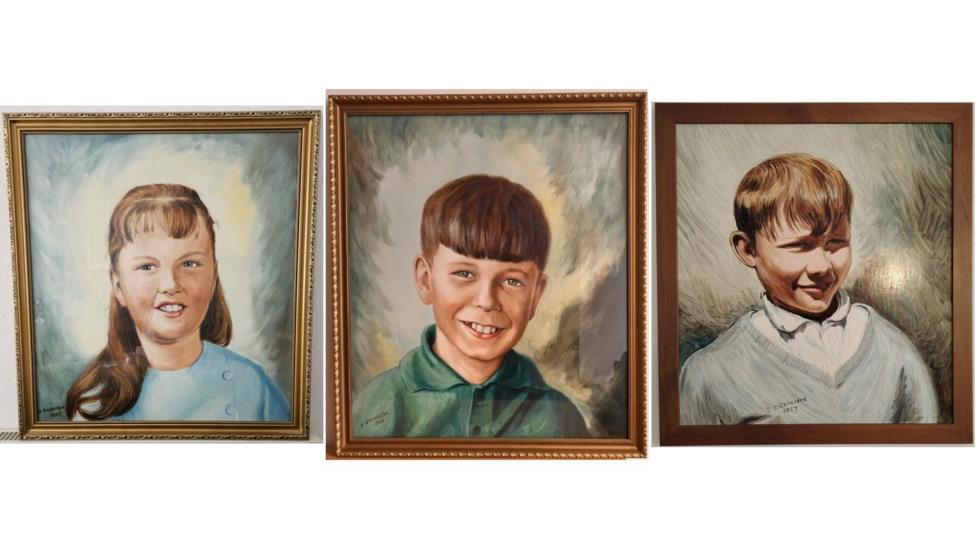
Paintings of Lynn Harding, Gareth Davies and Terence Davies still hang on the walls of their family homes
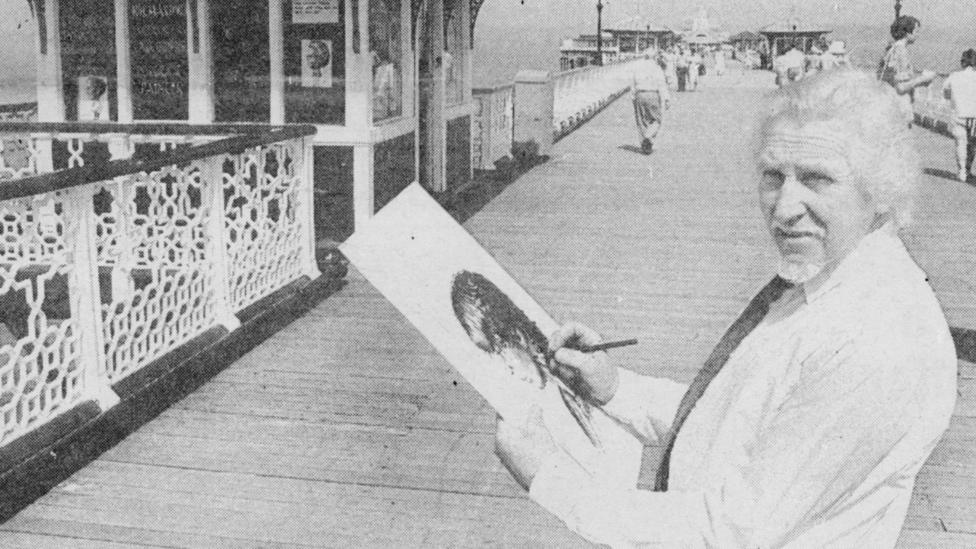 Image source, Mirrorpix
William Richardson made a living as an artist on Llandudno Pier, where he sketched visitors and celebrities including Margaret Thatcher and the Bay City Rollers
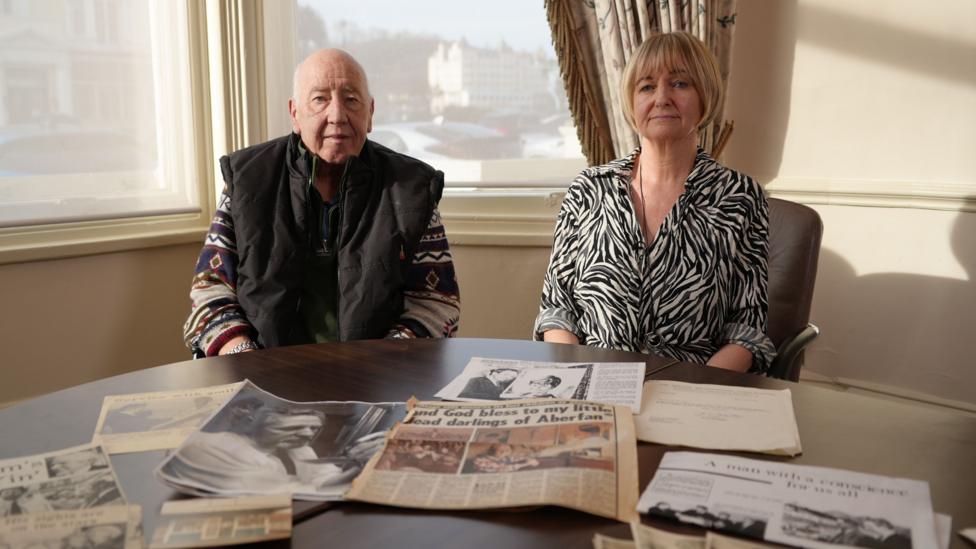
“It's like looking back at old friends now.” Ken and Jean Richardson remember their father's tireless work to complete dozens of paintings for families in Aberfan
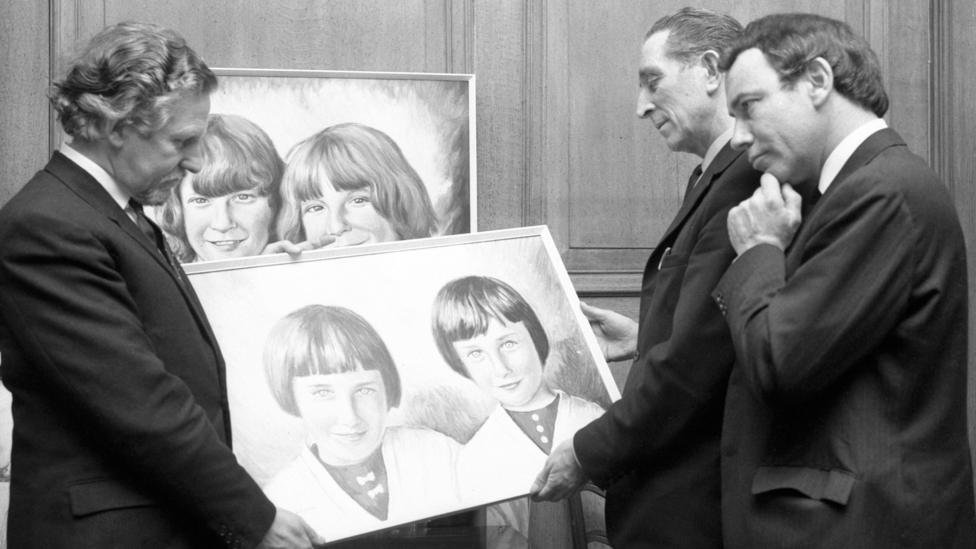 Image source, PA Media
William Richardson (left) was invited to the Wales Office to show some of the portraits to the Secretary of State for Wales, George Thomas (second from the right)
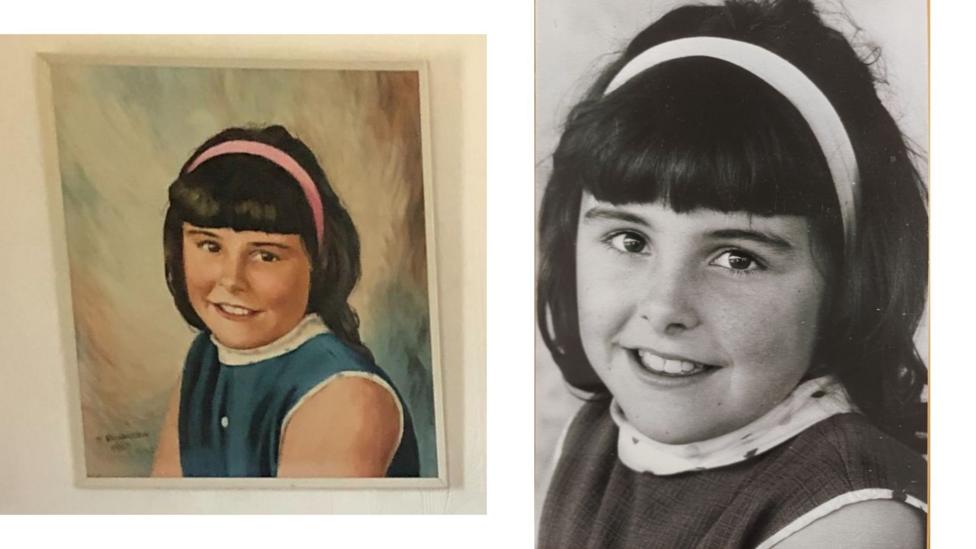
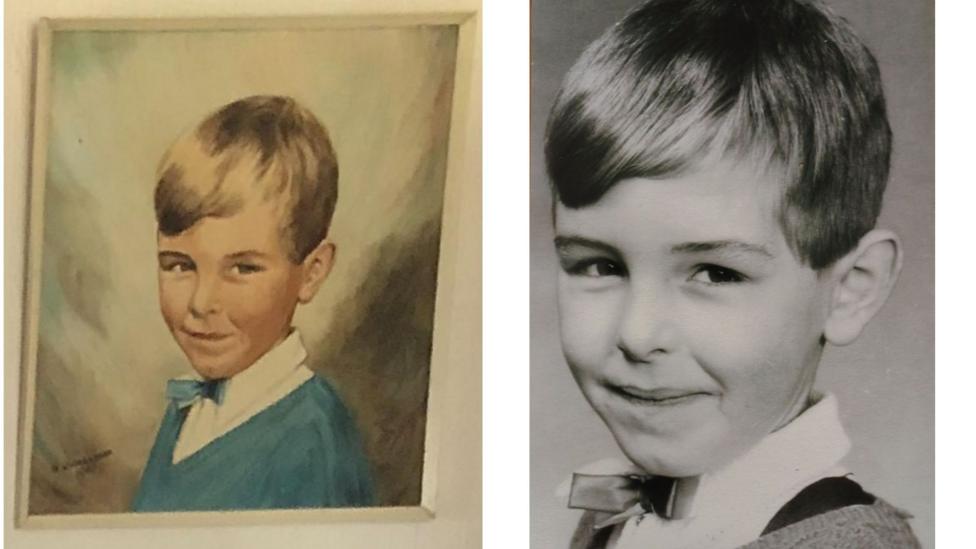
Marylyn and Carl Minett both died in the disaster. The artist worked from photographs and descriptions of the siblings.
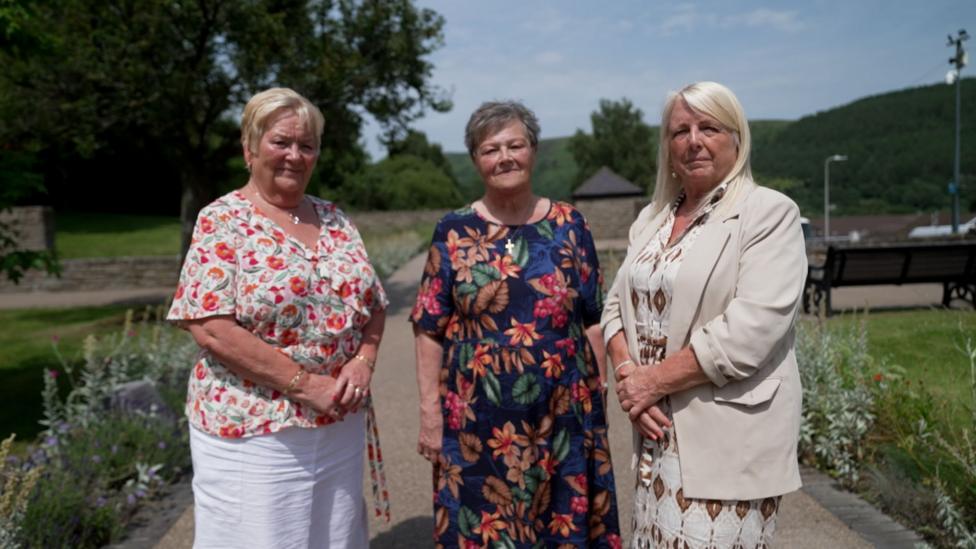
Denise, Jeanette and Gaynor are concerned about the future of the portraits