The key facts
- 28.7% of Afghan women aged 20–24 married before age 18; in some regions — every second girl
- More than 2.6 million girls have been deprived of secondary education since the Taliban introduced the ban
- UNICEF called for opening schools for girls and protecting those at risk of early marriage
Scale of the problem
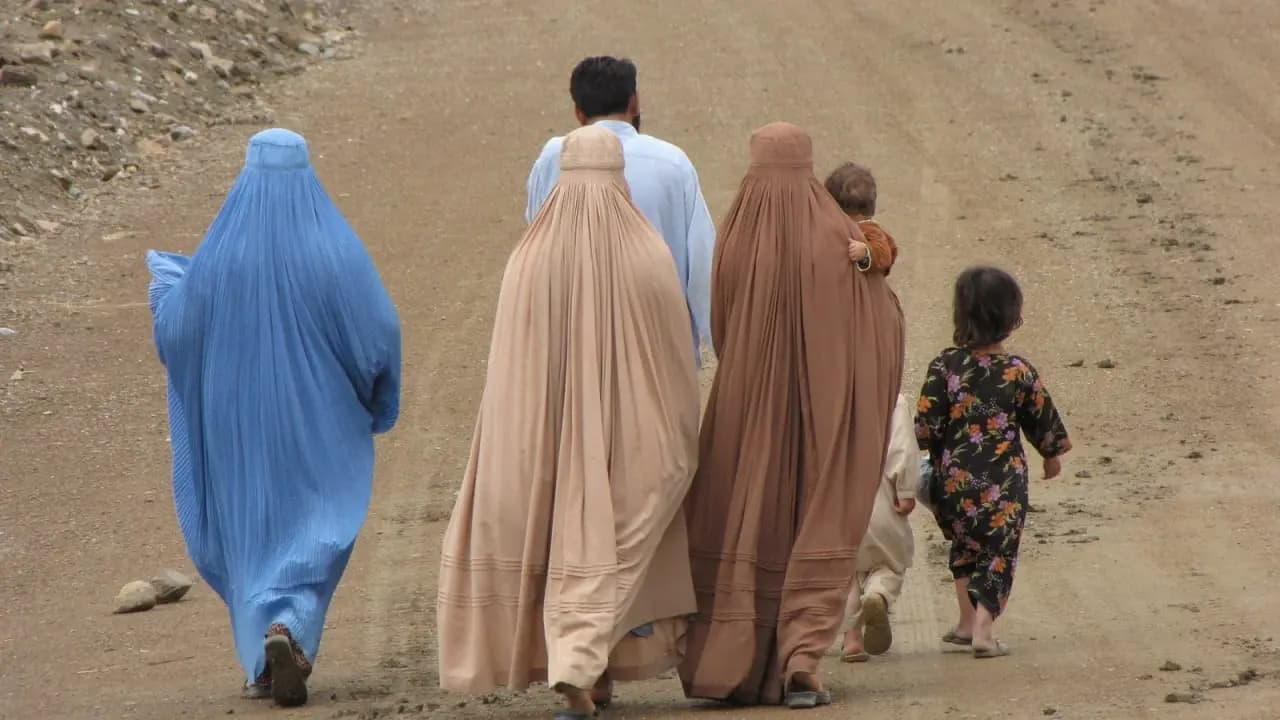
The UN Children's Fund (UNICEF) reported on October 11, on the occasion of International Day of the Girl, that early marriages in Afghanistan continue to threaten girls' education, health and future. According to a 2022–2023 survey, 28.7% of women aged 20 to 24 were married before age 18, and 9.6% before age 15. In some regions of the country, the share of those married before 18 reaches 50%, that is, every second girl. Early marriages are more common in low-income and uneducated families.
Consequences for health and rights
UNICEF's report emphasizes that early marriages harm girls' health, hinder education, limit life prospects and increase the risk of violence and social isolation. According to the organization, complications during pregnancy and childbirth are one of the leading causes of death among girls aged 15–19 in Afghanistan. At the same time, UNICEF notes that the problem can be prevented: over the past 25 years, thanks to investments in girls' education, legal reforms and social protection programs, about 68 million early marriages have been prevented worldwide.
The organization's calls
UNICEF called for joint action to protect Afghan girls' right to education: strengthen protection for those at risk of early marriage, support families in need, and expand access to healthcare and education. The organization stressed that education alone will not completely eradicate early marriages, but keeping girls in school is one of the most effective ways to protect their rights. UNICEF once again called on the Taliban authorities to open schools for girls above 6th grade. The organization's representative in Afghanistan, Tajuddin Oyewale, called for creating educational opportunities so that every Afghan girl can determine her own future.
Education ban and economic consequences
The call came against the backdrop of the ban on girls' education after 6th grade, introduced by the Taliban after coming to power in August 2021; in December 2022, women were also banned from attending universities. According to UNICEF data as of August 2026, since the restrictions were introduced, more than 2.6 million girls have lost access to secondary education, making Afghanistan the only country in the world where secondary and higher education is closed to girls and women. Out of school, girls become more vulnerable to early marriage, child labor and violence. Poverty, forced displacement and a lack of basic services worsen the situation: some families, due to financial hardship, marry off their daughters early to reduce expenses. In April 2026, UNICEF warned that by 2030 Afghanistan would face a shortage of 20,000 female teachers and 5,400 female health workers, and the annual damage to the economy from the restrictions is estimated at approximately $84 million.